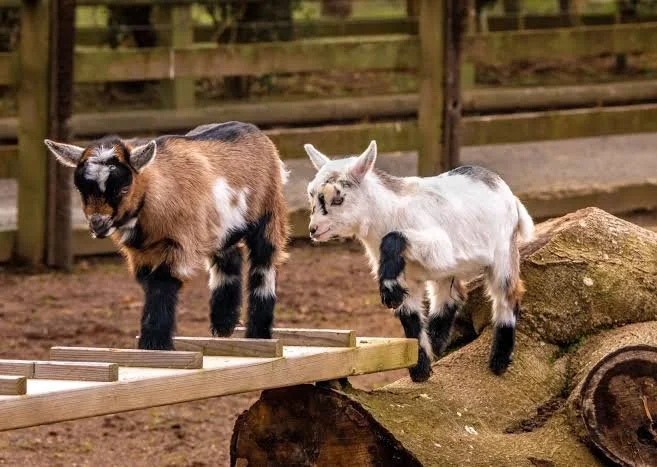
Hay for Pygmy and Miniature Goats
Small stature does not change the basic digestive system. Pygmy, Nigerian Dwarf, and other miniature goats still depend on forage and rumen fermentation. Their diets should remain centered on hay, browse, pasture, and other appropriate forage.
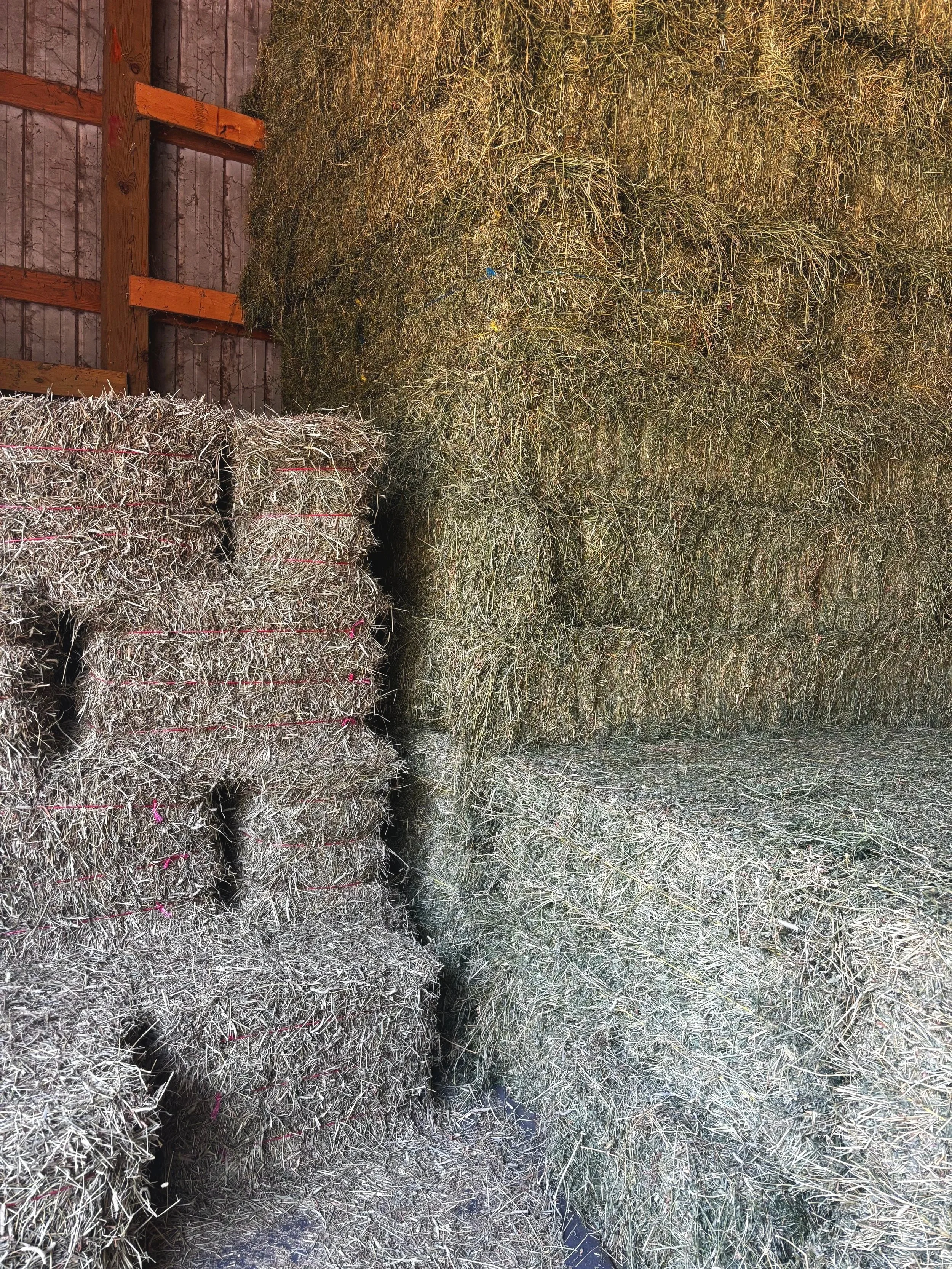
Preventing Digestive Upset During Hay Transitions
Goats and sheep depend on rumen microorganisms to ferment fibrous forage. Different feeds favor different microbial populations, so sudden dietary changes can alter fermentation faster than the rumen can comfortably adapt. A gradual transition gives the microbial population and the animal time to adjust.
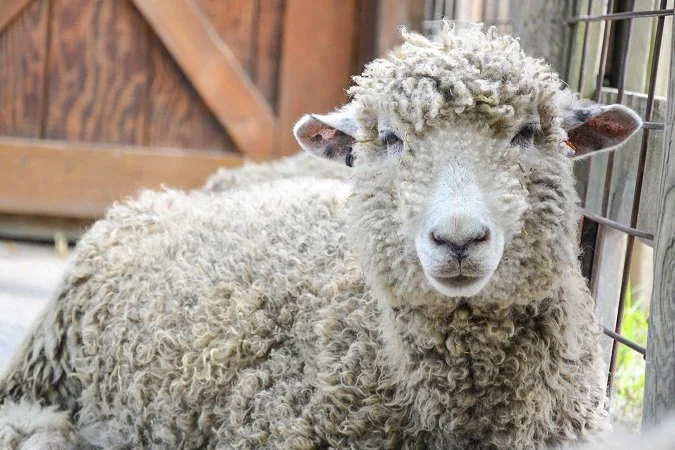
Feeding Senior Goats and Sheep
There is no exact age when every goat or sheep becomes nutritionally senior. A twelve-year-old animal with excellent teeth and stable body condition may continue to thrive on a familiar maintenance diet, while a younger animal may need special feeding because of dental wear, illness, arthritis, or poor condition.
Hay Waste Reduction for Small Farms
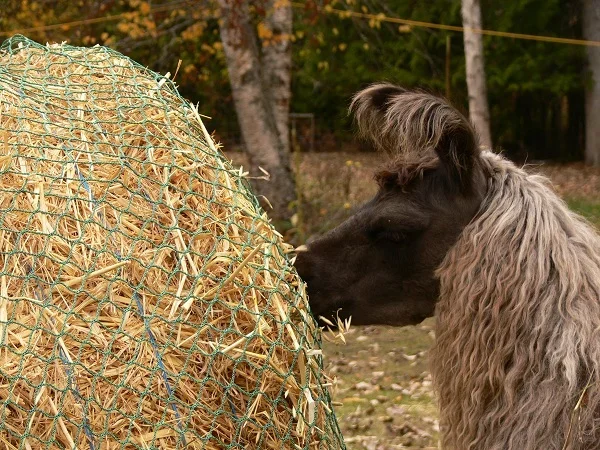
Hay waste is not one single problem. On a small farm it may occur during storage, handling, feeding, or after animals begin sorting through the forage. Before buying a different hay or feeder, determine where the loss is occurring.
Hay Selection for Pregnant Ewes
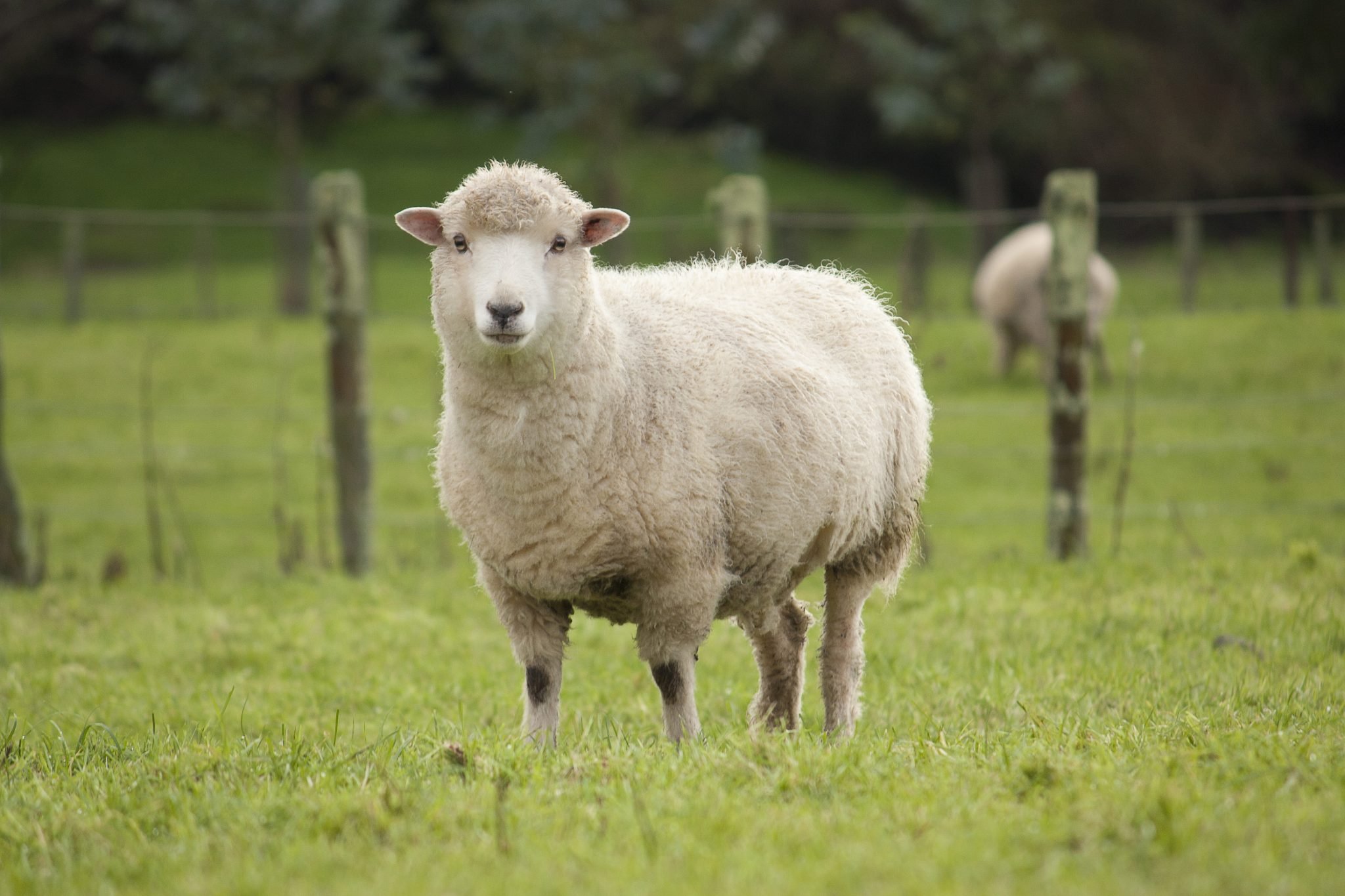
Early pregnancy often resembles maintenance feeding, while the final six to eight weeks are more demanding because fetal growth accelerates. Requirements rise further when a ewe carries twins or triplets. Nutrition should increase gradually rather than changing abruptly immediately before lambing.
Preventing Obesity in Small Ruminants
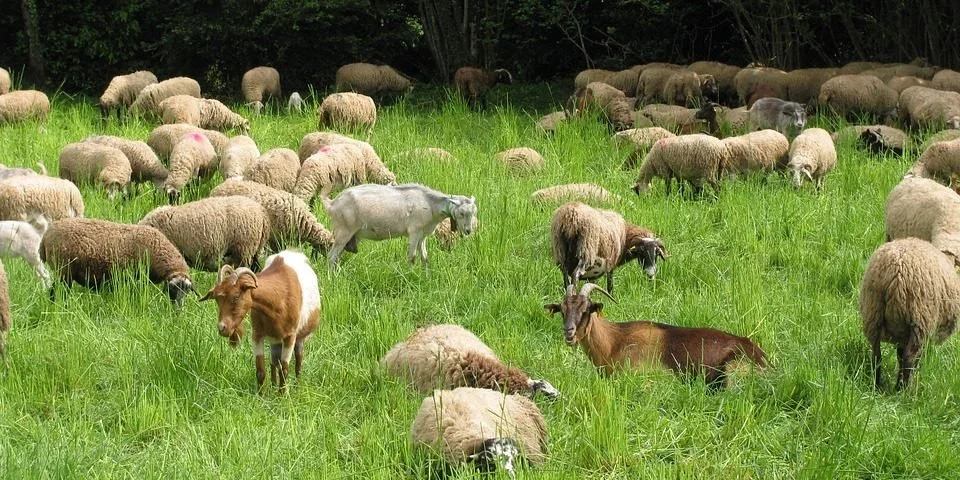
A few handfuls of grain, regular treats, rich pasture, and highly digestible hay may appear harmless separately. Over time, total energy can exceed the needs of a mature pet, wether, dry ewe, or retired breeding animal.
Choosing the Right Hay for Dairy Goats
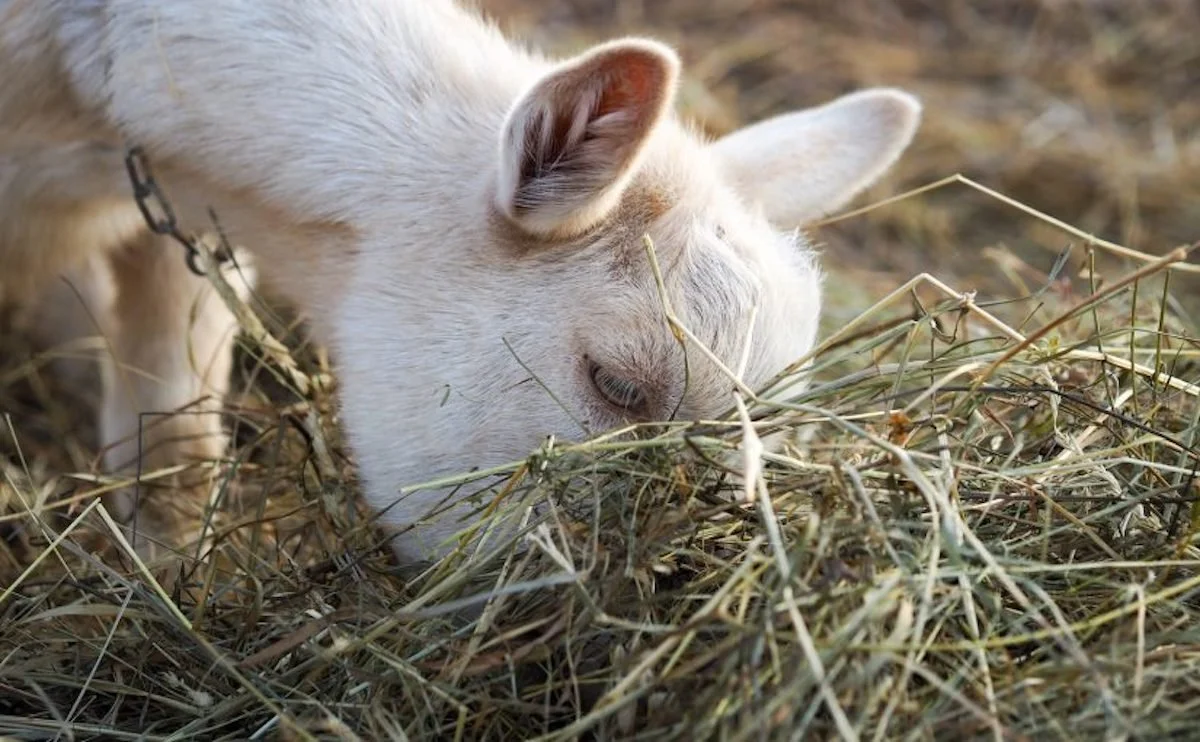
Goats are selective intermediate browsers and often seek leaves, tender shoots, and digestible plant material. A dairy doe requires hay that is leafy, clean, palatable, appropriately mature, and nutritious enough for her current production stage.
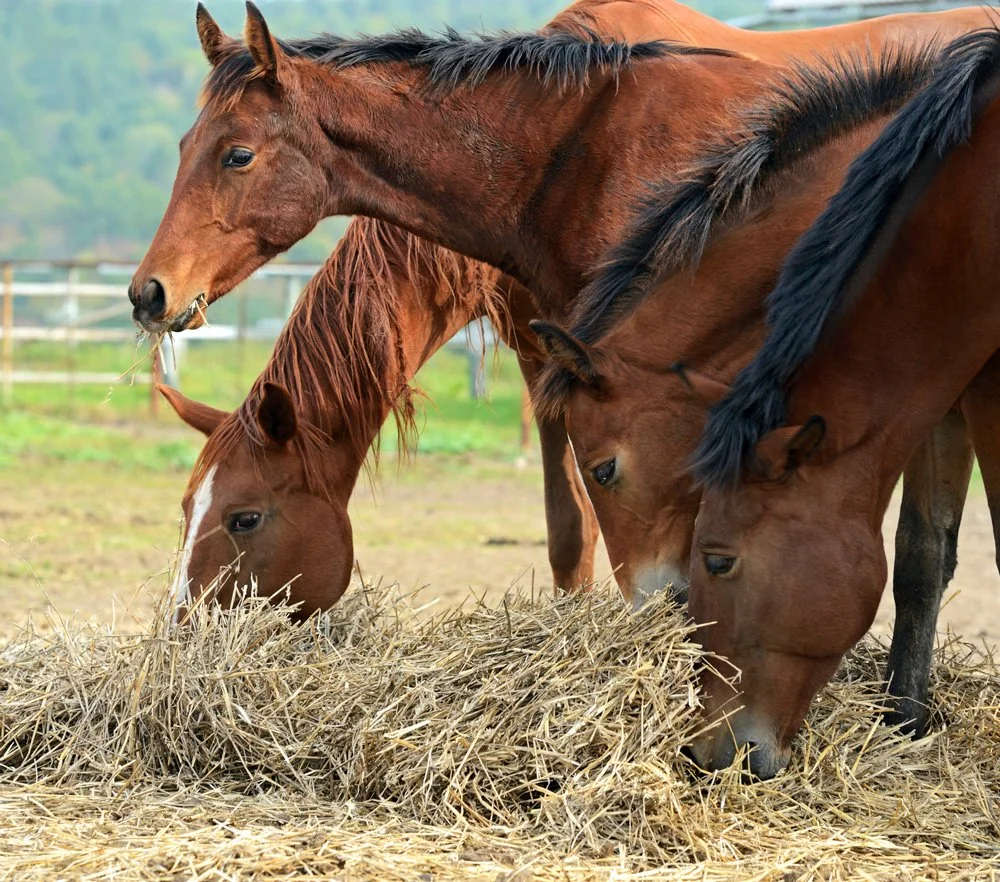
Why Palatability Matters in Digestive Health
Palatability describes how appealing forage is and how willingly a horse consumes it.
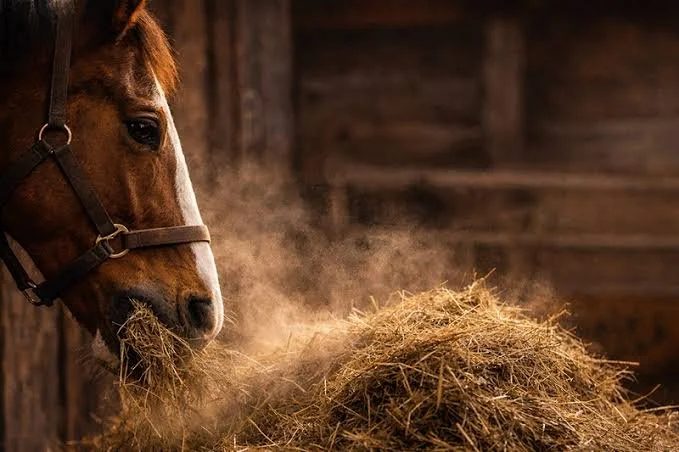
Dust, Mold, and Respiratory Stress
A horse places its nose directly into forage for hours each day. Every time it separates a flake or pulls hay from a feeder, small particles may become airborne around the nostrils. Some are ordinary plant fragments; others may include soil, pollen, mold spores, bacteria, or damaged leaf material.
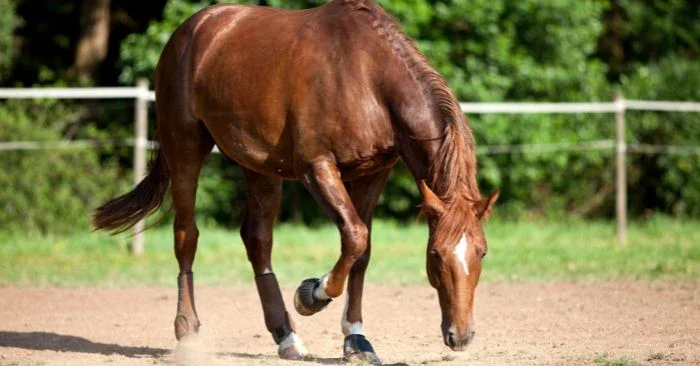
Supporting Horses Prone to Colic
Pawing, looking at the flank, repeatedly lying down, rolling, sweating, reduced appetite, or passing less manure may all indicate abdominal pain.
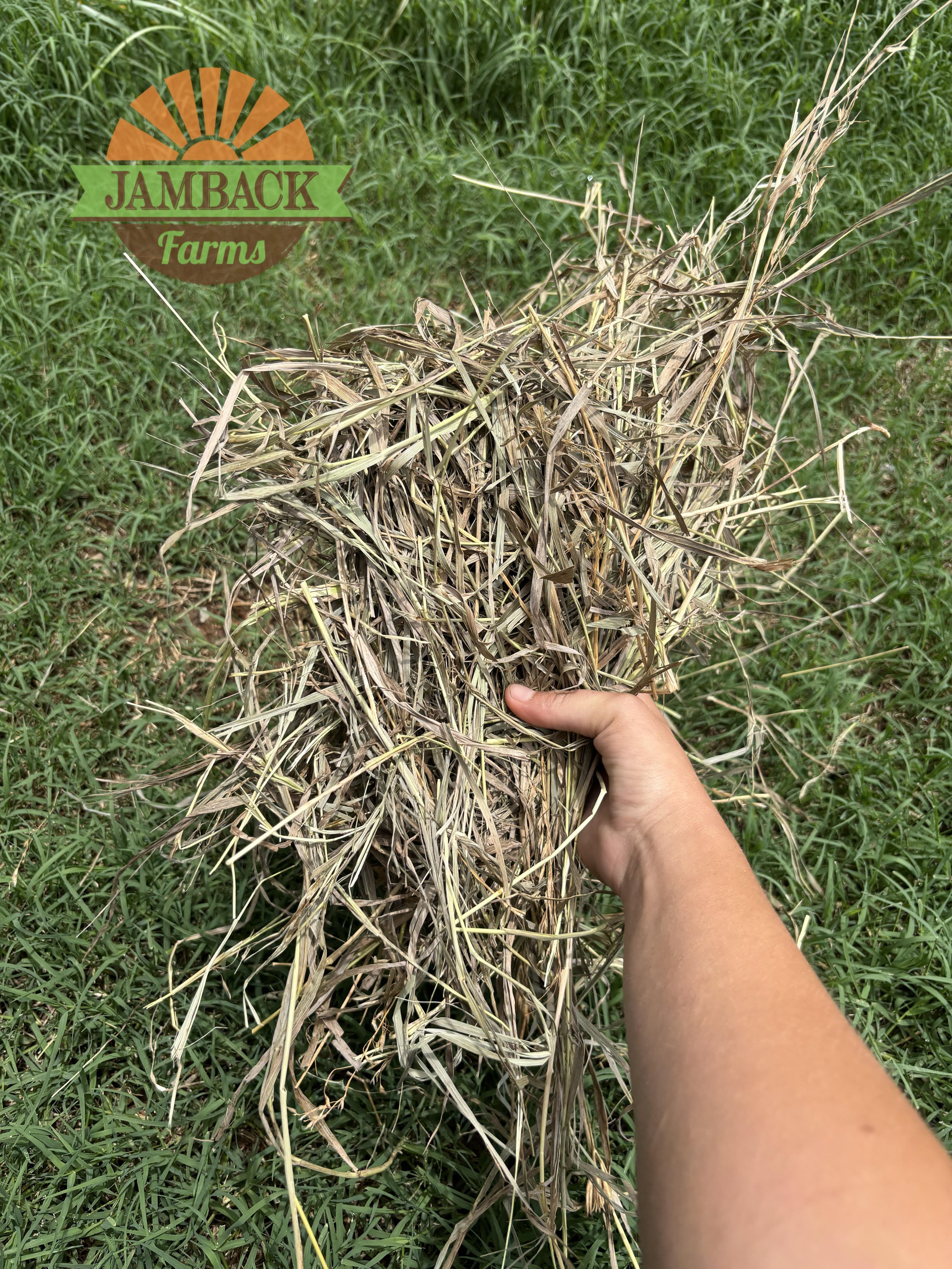
Hay Texture and Digestive Comfort
Hay texture influences how comfortably a horse chews, how eagerly it eats, how much it wastes, and how consistently it consumes forage throughout the day. A soft, leafy hay may be ideal for a senior horse or selective eater, while another horse may comfortably consume a somewhat more mature grass hay that provides substantial chewing fiber.
Why Consistent Forage Access Matters
Horse owners often focus on the total amount of hay fed each day. That number matters, but it does not tell the entire story.
Monitoring Body Condition Through Seasonal Changes
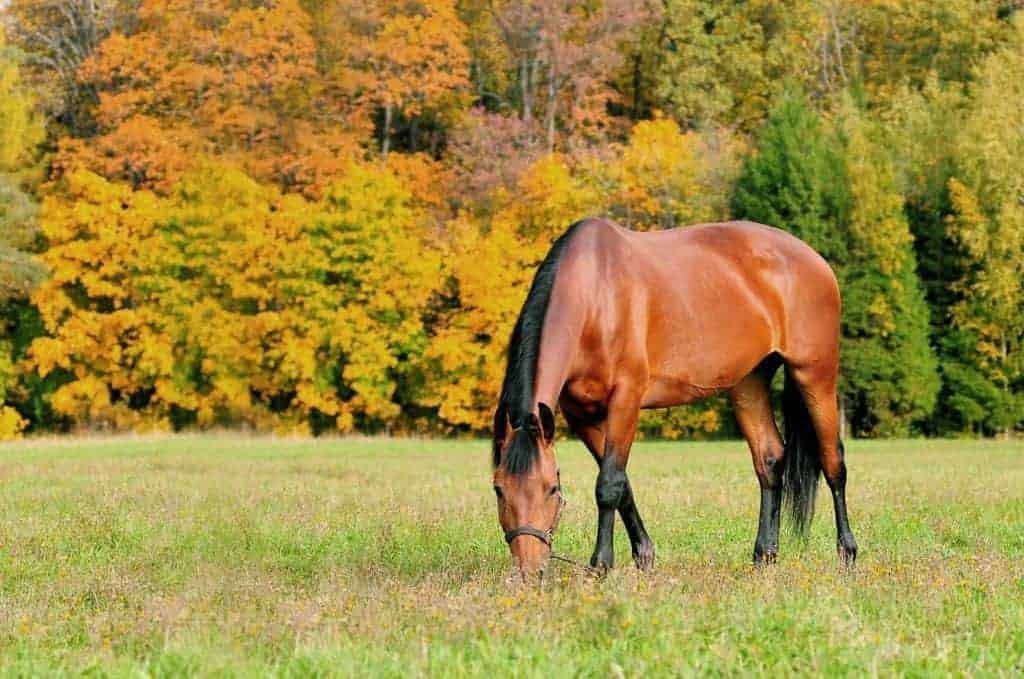
Horse owners quickly learn that feeding is never exactly the same from one season to the next. A horse that maintains ideal weight through the summer may gradually lose condition during a cold winter, while another may become an easy keeper once spring grass begins to grow.
Feeding Hard Keepers Without Excess Grain
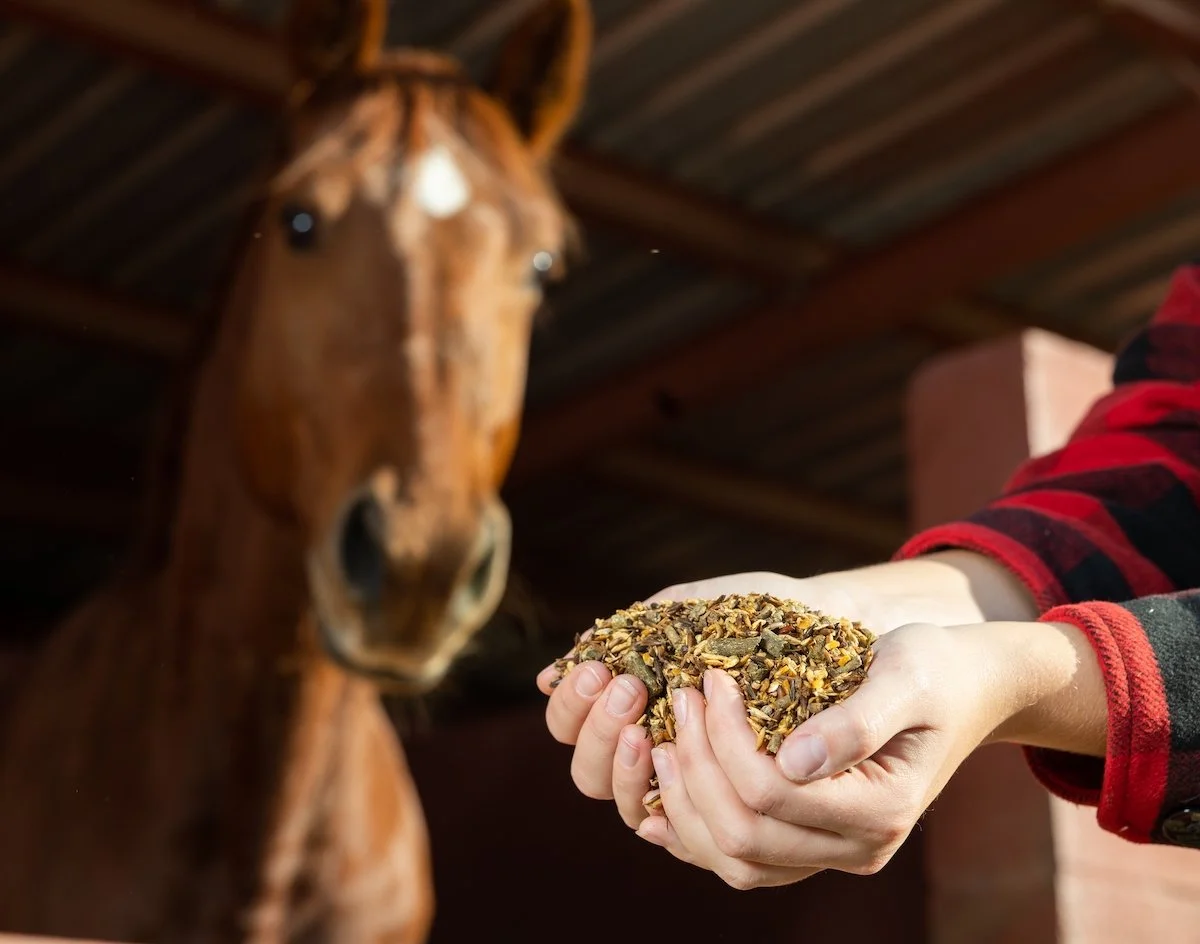
When a horse begins losing weight or struggles to maintain body condition, one of the first instincts is often to increase grain. While concentrates can certainly play an important role for some horses, they are not always the best place to begin.
Choosing Softer Hay for Senior Horses
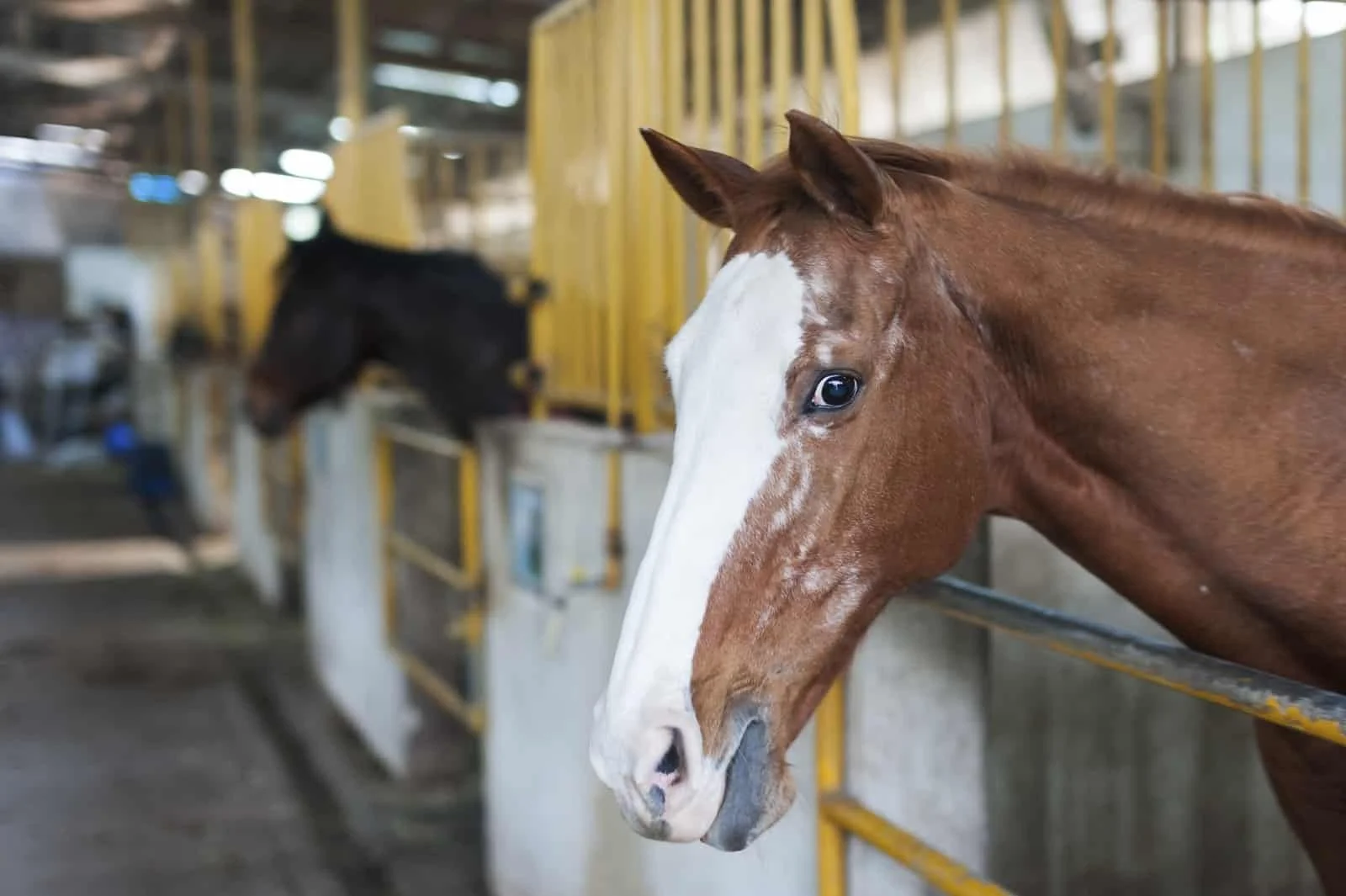
Senior horses continue to rely on hay as the foundation of their diet, yet they may no longer be able to chew or digest forage as efficiently as they once did. Choosing softer, highly palatable hay can help older horses maintain healthy body condition while supporting the digestive system that has served them throughout a lifetime.
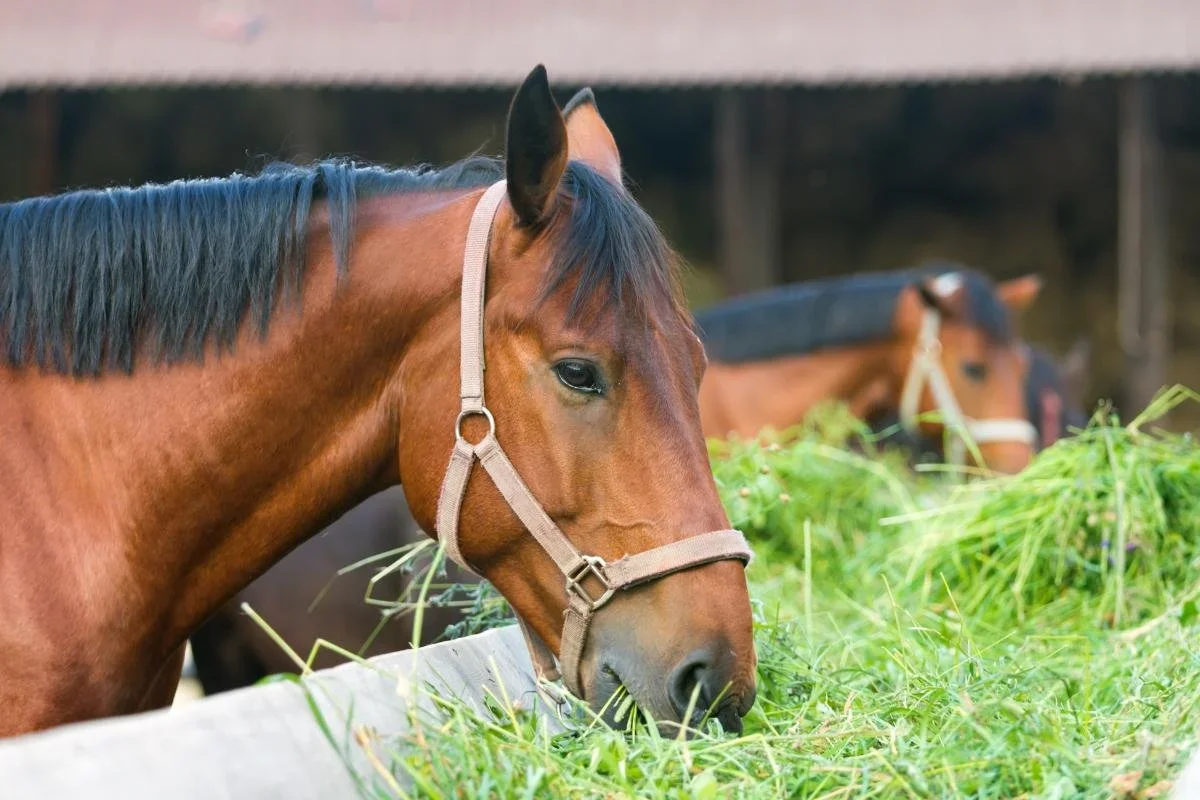
The Role of Digestible Fiber in Horse Nutrition
Understanding the difference between simply feeding fiber and providing digestible fiber can help owners make better decisions about hay selection and long-term feeding management.
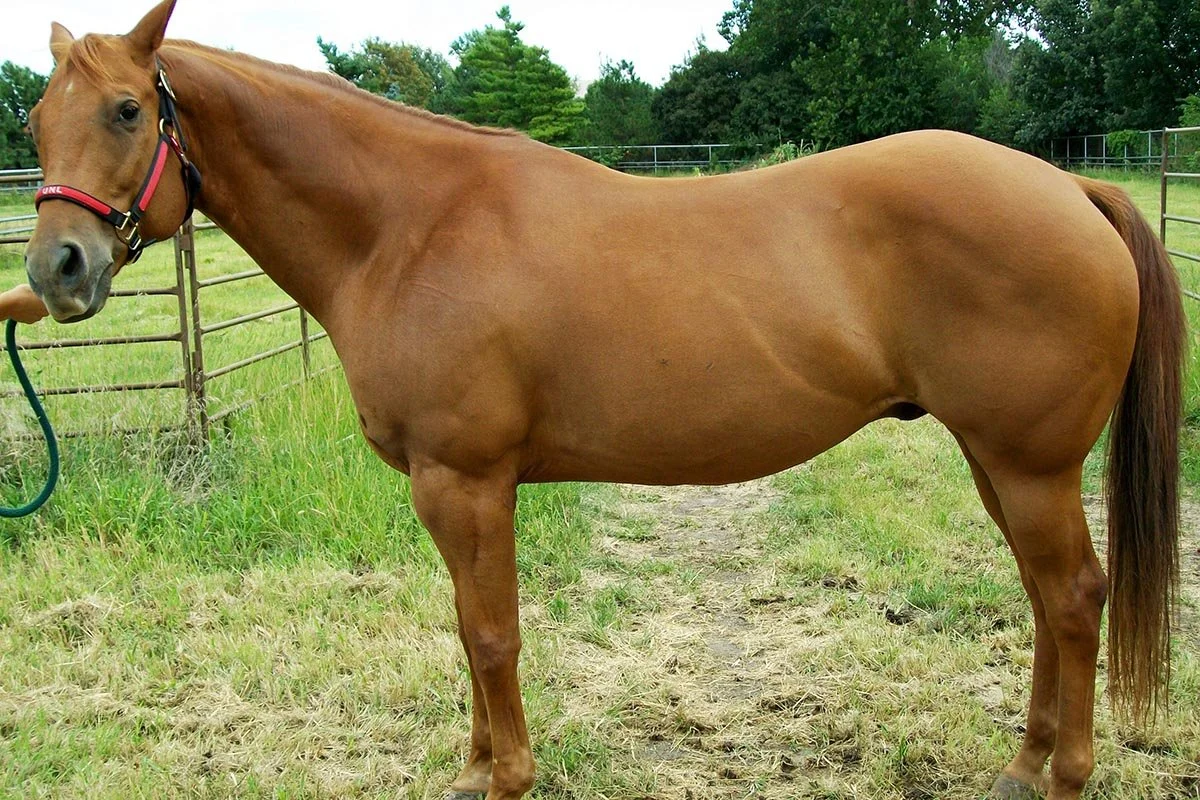
Why Some Horses Struggle to Maintain Weight
While there is rarely a single reason a horse struggles to maintain weight, understanding the factors involved can help owners develop a more effective nutritional plan. In many cases, the answer begins with consistent, high-quality forage rather than dramatic changes to the rest of the diet.
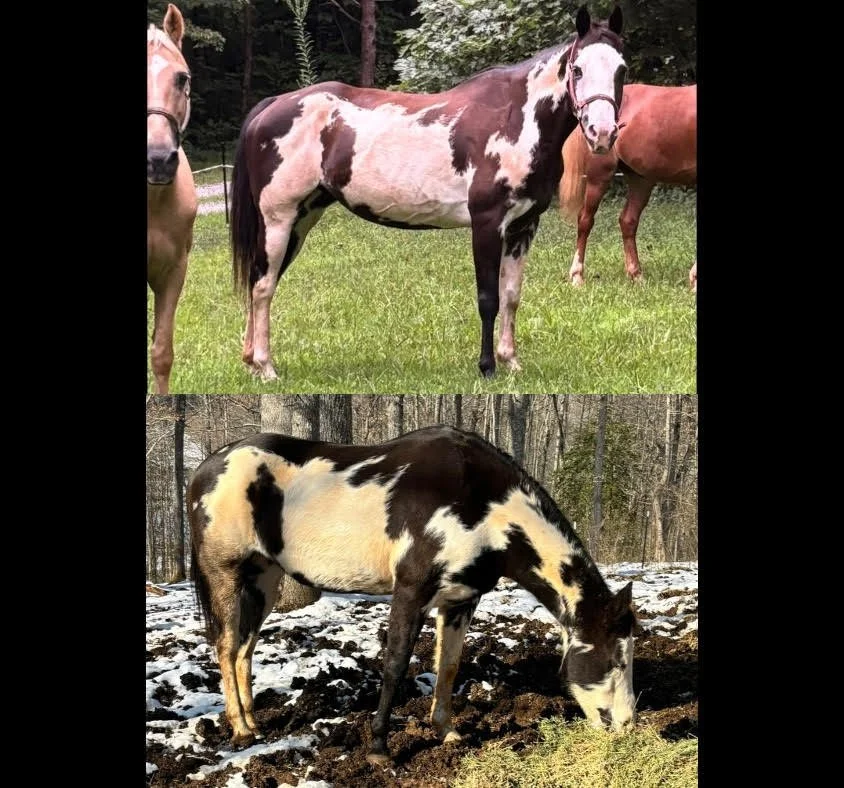
Helping Underweight Horses Gain Condition Safely
…success usually comes from identifying the underlying reason for the weight loss while building a consistent feeding program centered around clean, digestible hay that encourages steady forage intake.
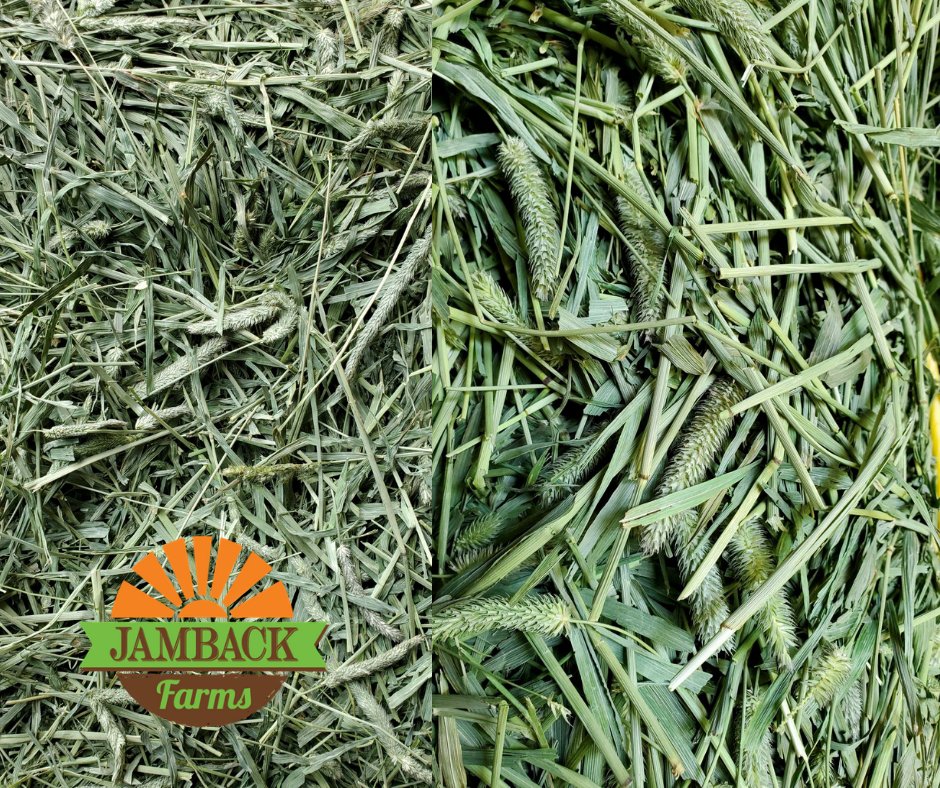
Supporting Hard Keepers with Better Forage
Because forage represents the foundation of the equine diet, hay quality frequently becomes one of the most important factors influencing healthy weight maintenance.
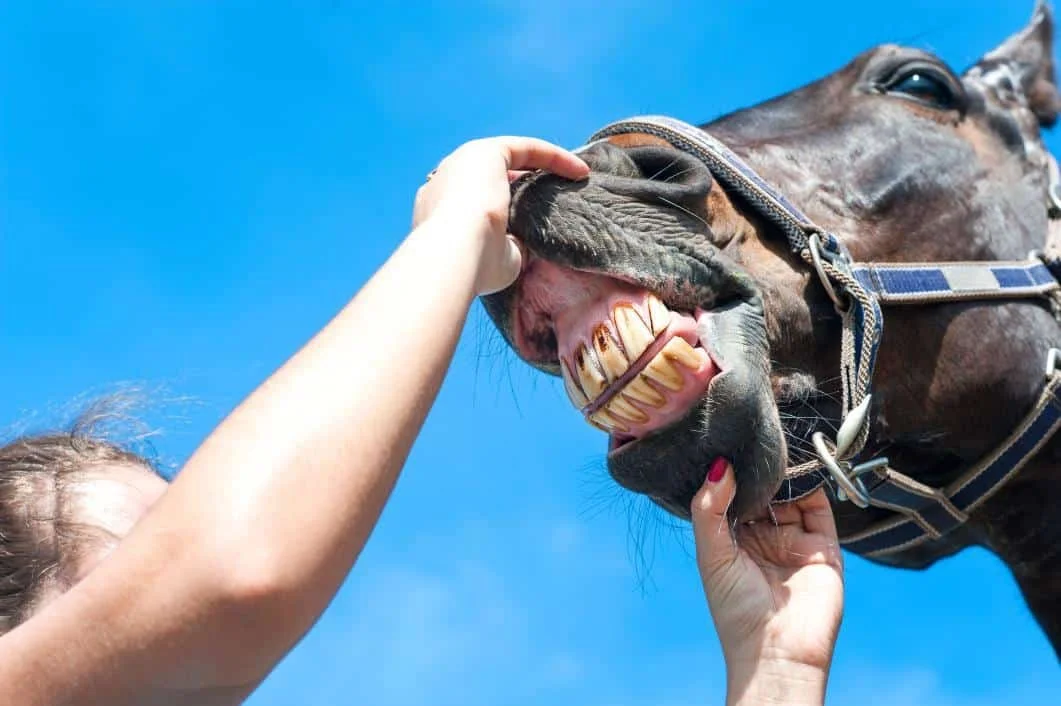
Feeding Senior Horses with Dental Challenges
For many older horses, thoughtful forage selection becomes one of the most important parts of long-term nutritional care.