
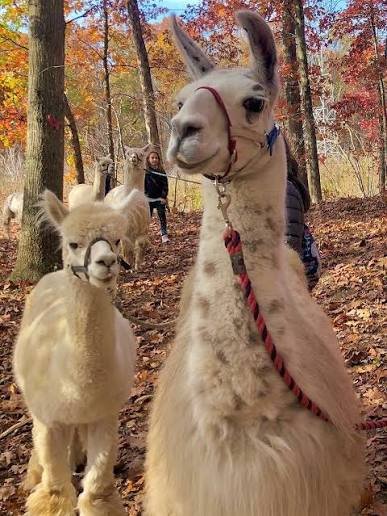
Seasonal Feeding Adjustments for Llamas and Alpacas
Seasonal feeding should change when pasture, temperature, body condition, pregnancy, lactation, growth, age, or actual intake changes. A warm winter, wet spring, summer drought, or highly productive pasture can make a rigid calendar-based feeding plan inaccurate.
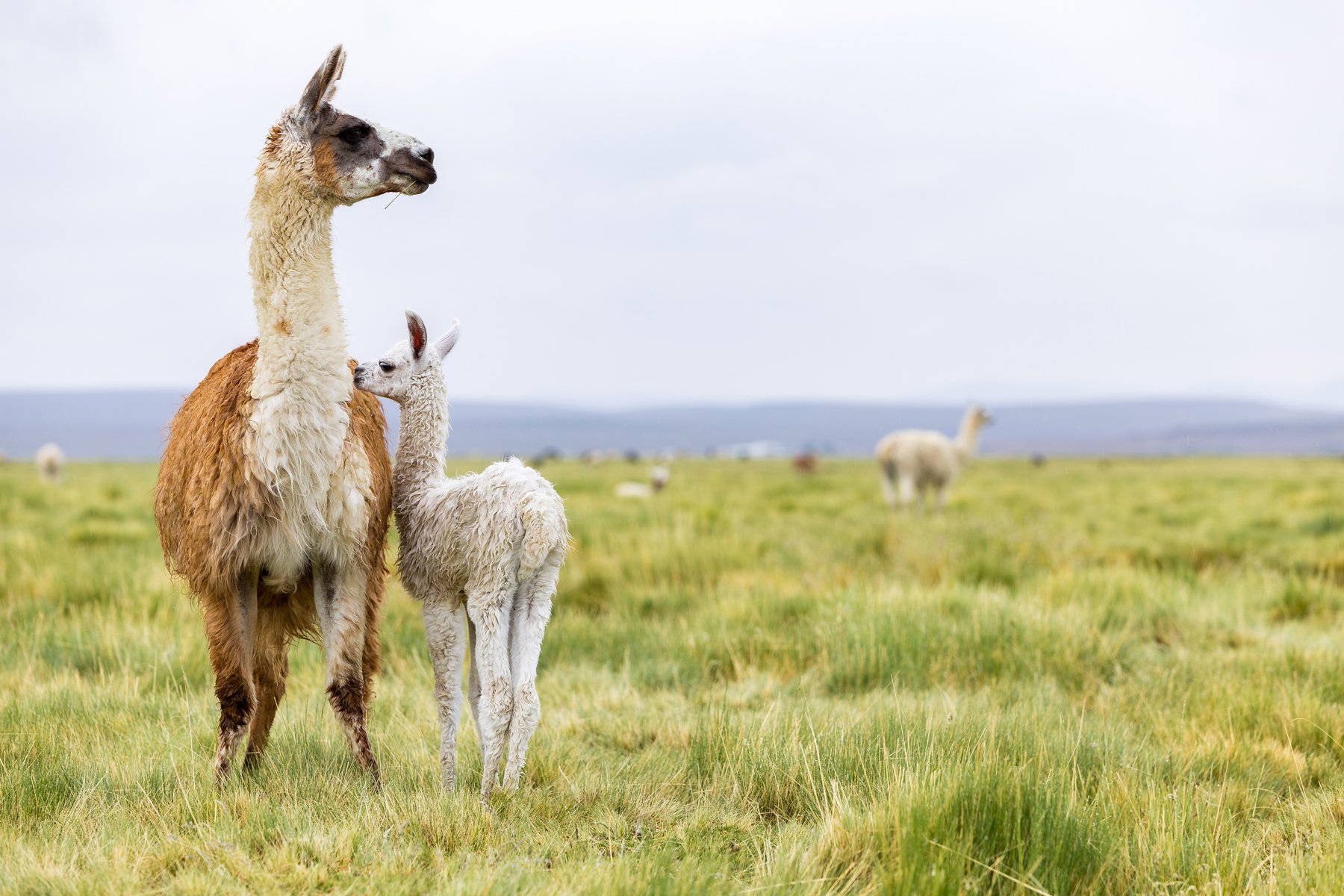
Choosing Hay for Easy-Keeping Camelids
Alpacas and llamas are highly efficient at using fibrous forage. That efficiency can make them economical to maintain, but it also means mature animals with modest requirements may gain excessive condition on rich hay, productive pasture, and unnecessary supplements.

Best Forage Types for Hobby Sheep
A mature pet ewe in good condition may thrive on moderate grass hay. A thin senior, pregnant ewe, lactating ewe, or growing lamb may need more nutritional density. Forage choice should begin with the sheep rather than a universal ranking of hay species.

Why Goats Reject Certain Hays
Goats are natural browsers and tend to select leaves, tender shoots, and more digestible plant portions. That behavior continues at the hay feeder, where they may pull out leaves, choose fine stems, and reject mature stalks.

Preventing Digestive Upset During Hay Transitions
Goats and sheep depend on rumen microorganisms to ferment fibrous forage. Different feeds favor different microbial populations, so sudden dietary changes can alter fermentation faster than the rumen can comfortably adapt. A gradual transition gives the microbial population and the animal time to adjust.

Feeding Senior Goats and Sheep
There is no exact age when every goat or sheep becomes nutritionally senior. A twelve-year-old animal with excellent teeth and stable body condition may continue to thrive on a familiar maintenance diet, while a younger animal may need special feeding because of dental wear, illness, arthritis, or poor condition.

Understanding Copper Sensitivity Concerns in Goats and Sheep
Both goats and sheep need copper, but goats generally tolerate and require more, while sheep accumulate it more readily and are more vulnerable to toxicity.