Preventing Digestive Upset During Hay Transitions
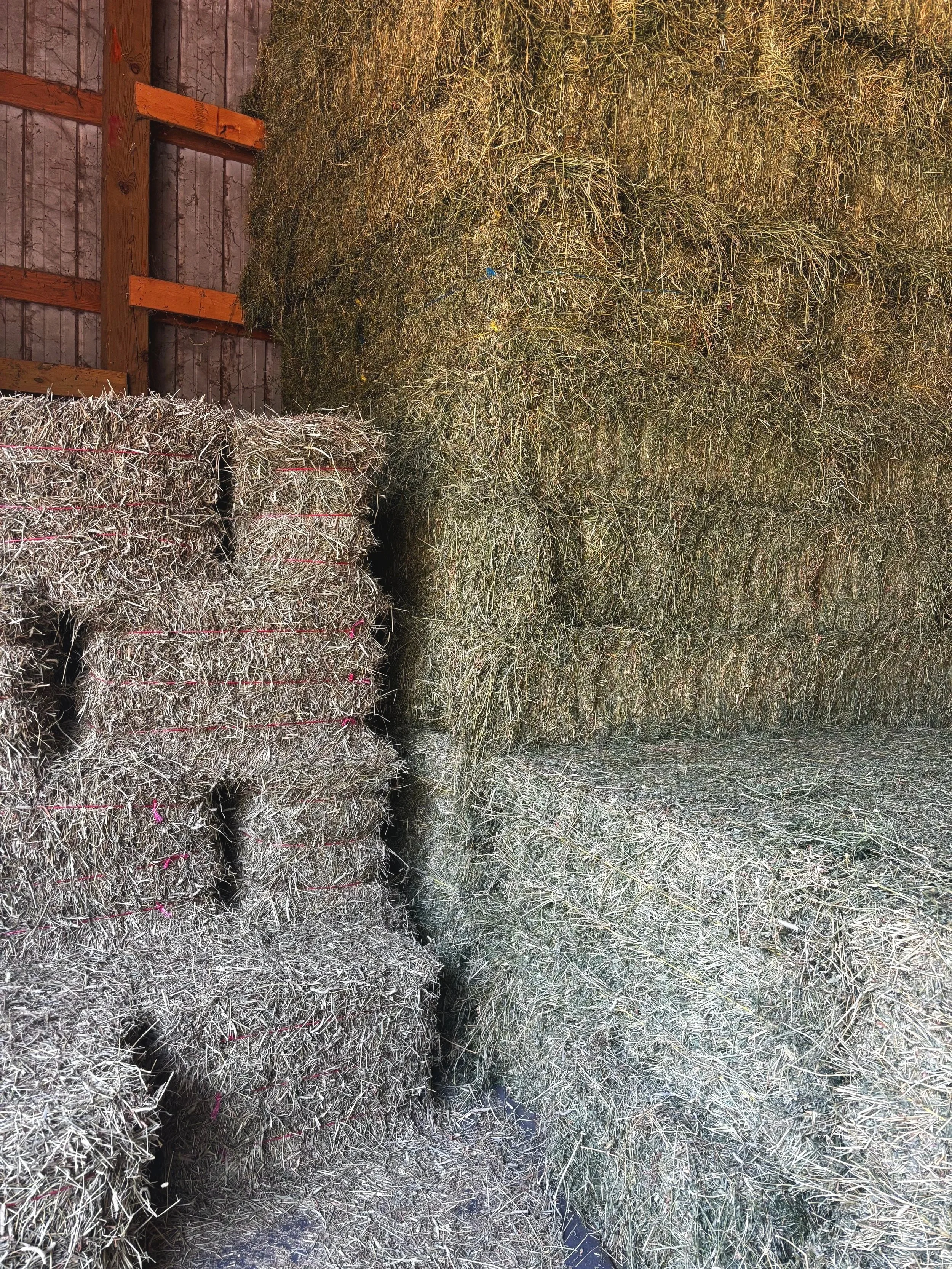
Goats and sheep depend on rumen microorganisms to ferment fibrous forage. Different feeds favor different microbial populations, so sudden dietary changes can alter fermentation faster than the rumen can comfortably adapt. A gradual transition gives the microbial population and the animal time to adjust.
Hay Waste Reduction for Small Farms
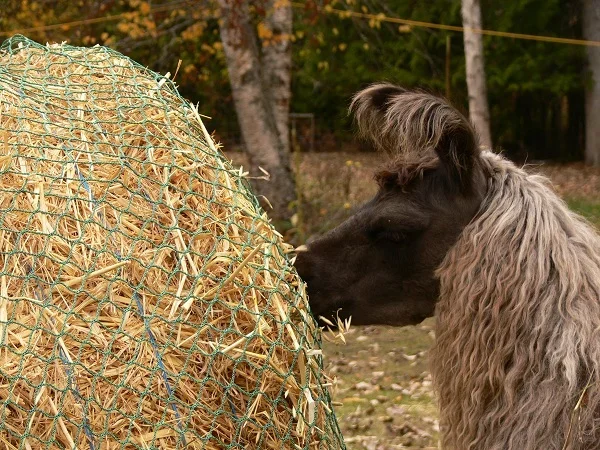
Hay waste is not one single problem. On a small farm it may occur during storage, handling, feeding, or after animals begin sorting through the forage. Before buying a different hay or feeder, determine where the loss is occurring.
Understanding Copper Sensitivity Concerns in Goats and Sheep
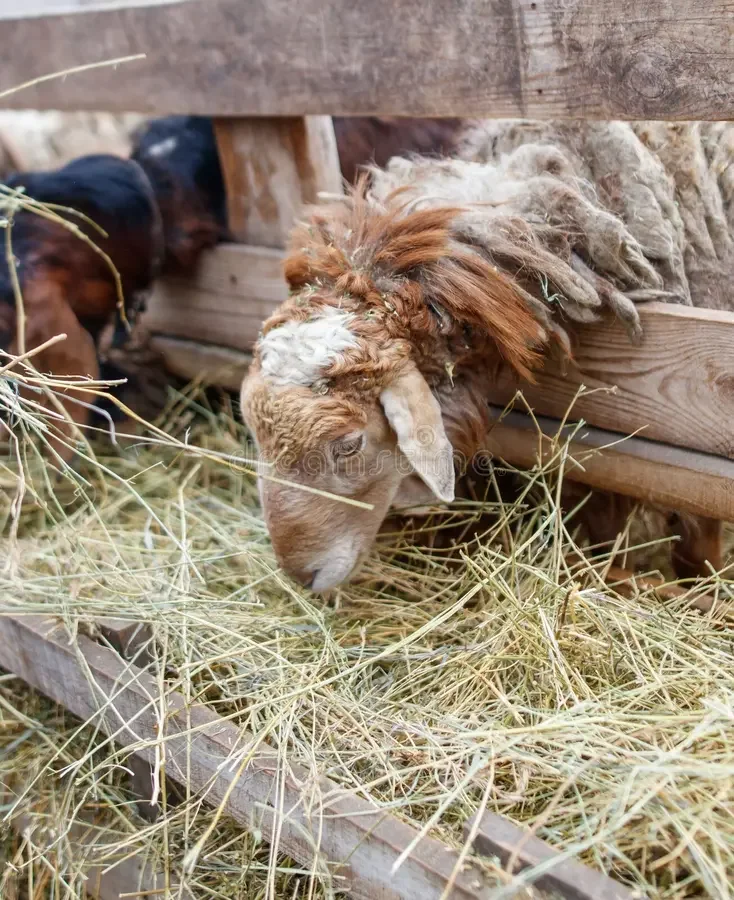
Both goats and sheep need copper, but goats generally tolerate and require more, while sheep accumulate it more readily and are more vulnerable to toxicity.
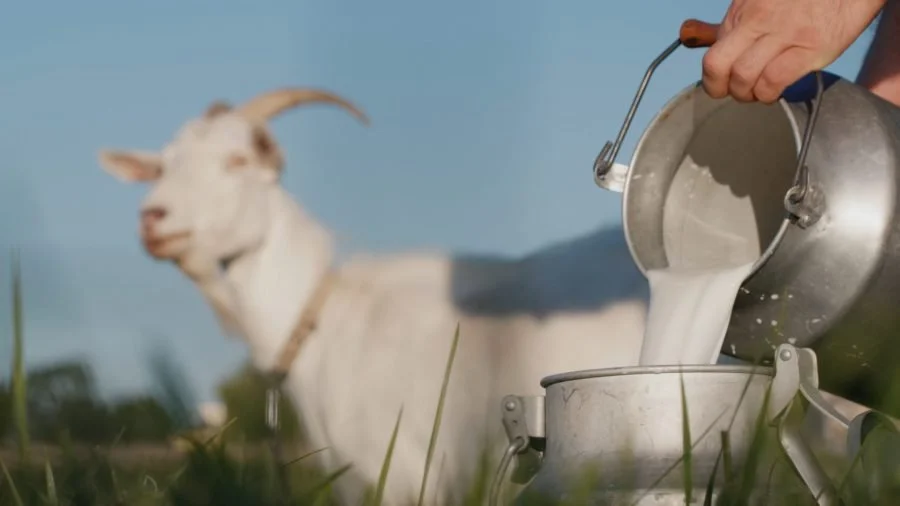
Supporting Goat & Sheep Milk Production Naturally Through Forage
Lactating goats and ewes need more usable energy, protein, water, and minerals than maintenance animals. Requirements are often greatest in early lactation and increase with milk yield and the number of offspring.
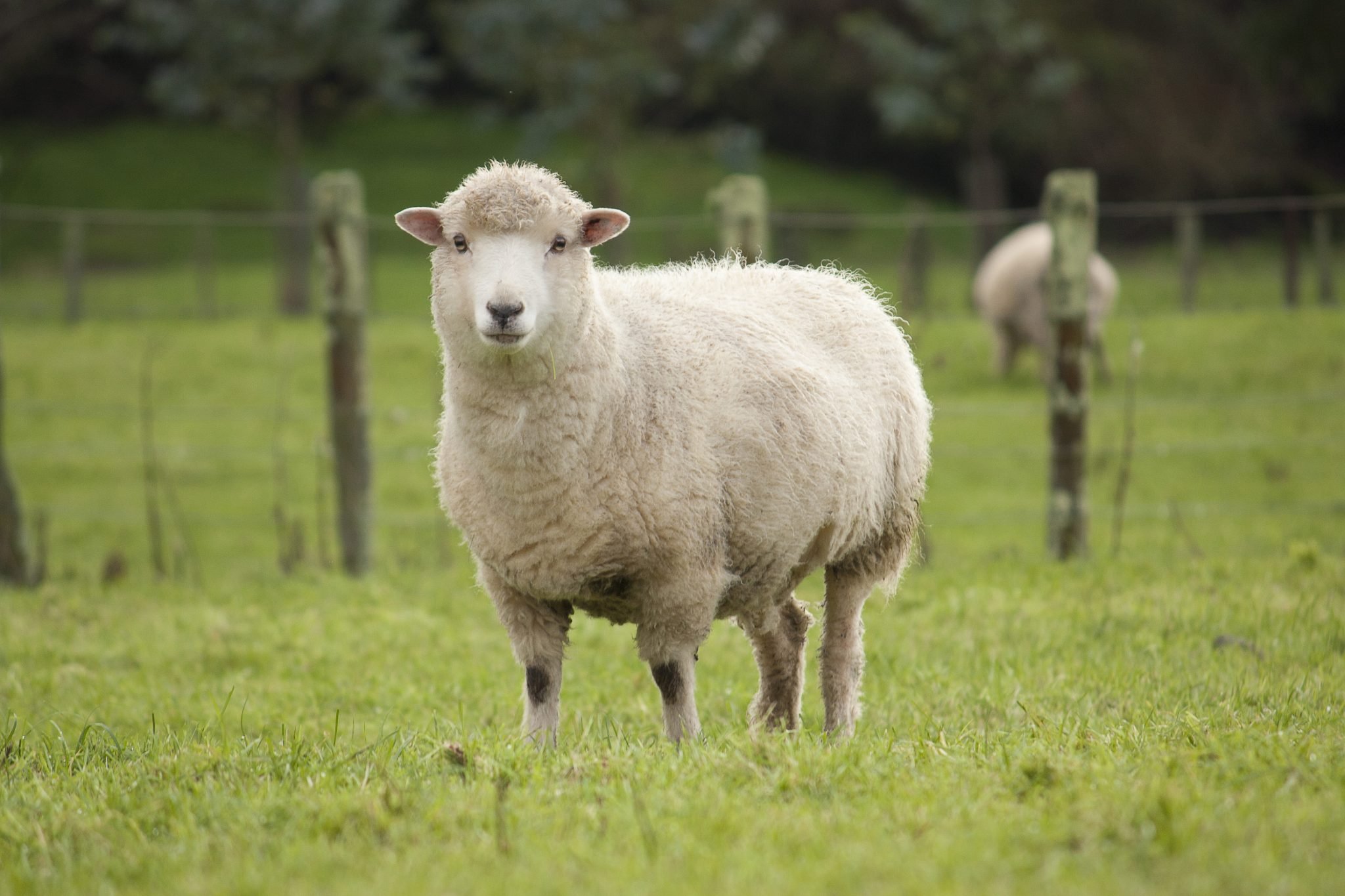
Hay Selection for Pregnant Ewes
Early pregnancy often resembles maintenance feeding, while the final six to eight weeks are more demanding because fetal growth accelerates. Requirements rise further when a ewe carries twins or triplets. Nutrition should increase gradually rather than changing abruptly immediately before lambing.
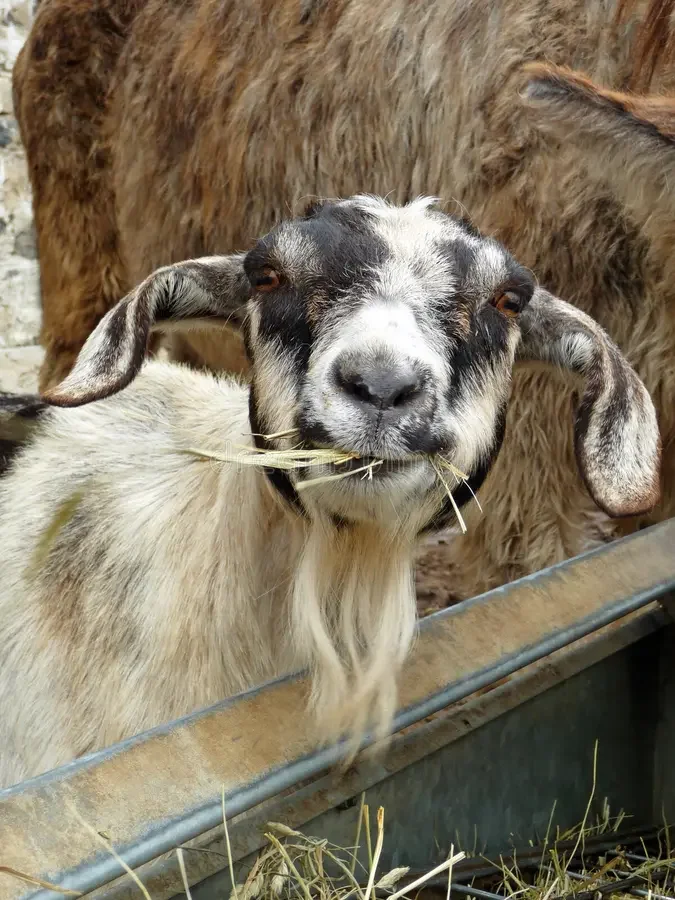
Forage Needs of Pet Goats vs. Production Goats
Pet and production are management descriptions. Actual needs depend on body weight, condition, age, growth, pregnancy, lactation, activity, climate, and health.
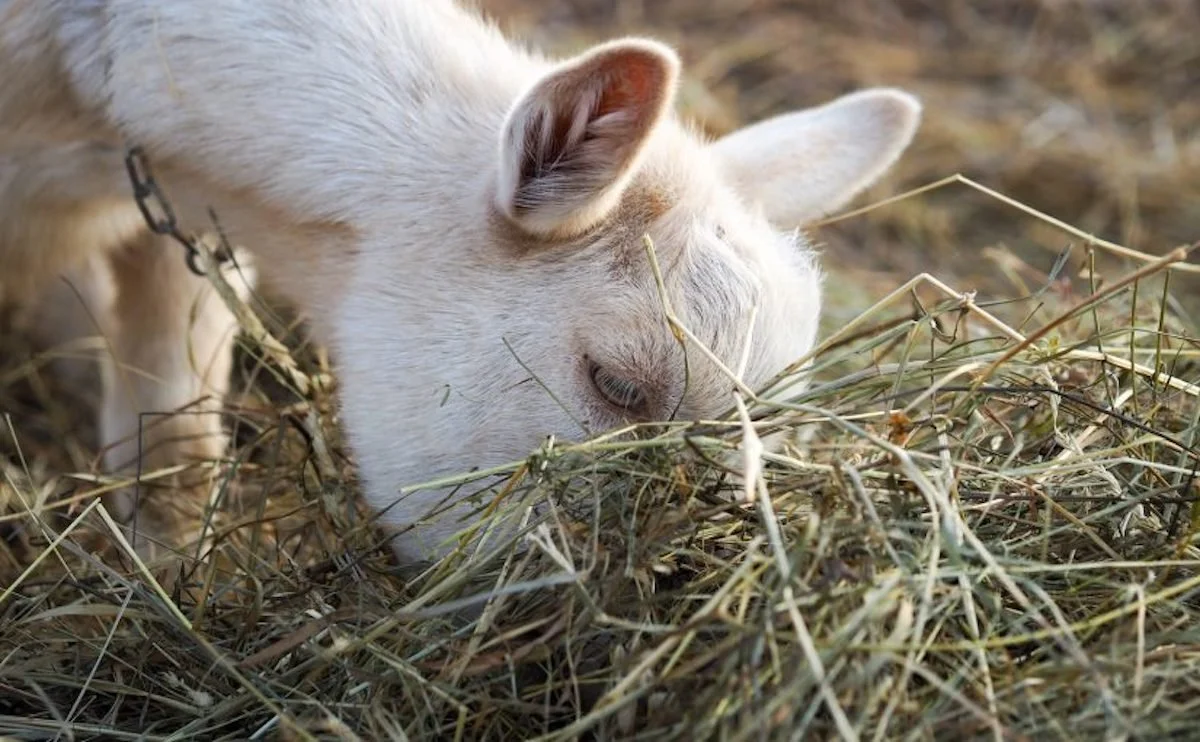
Choosing the Right Hay for Dairy Goats
Goats are selective intermediate browsers and often seek leaves, tender shoots, and digestible plant material. A dairy doe requires hay that is leafy, clean, palatable, appropriately mature, and nutritious enough for her current production stage.
Slow Feeding Strategies for Gut Stability
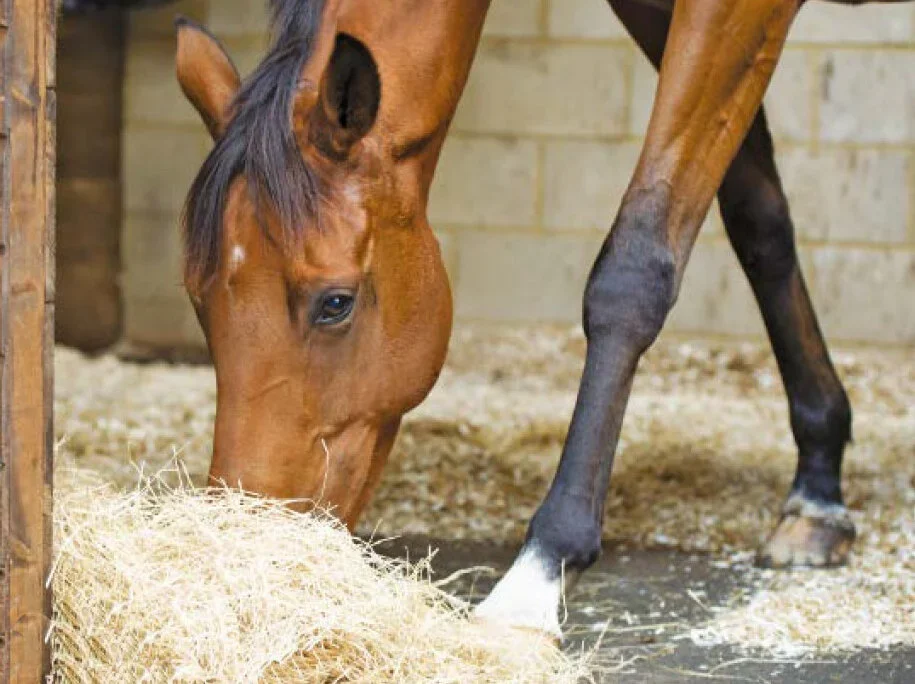
Total hay weight is important, but distribution matters too. Two horses may receive equal pounds while one finishes quickly and spends hours without forage and the other eats gradually through divided meals or a slow feeder.
Why Palatability Matters in Digestive Health
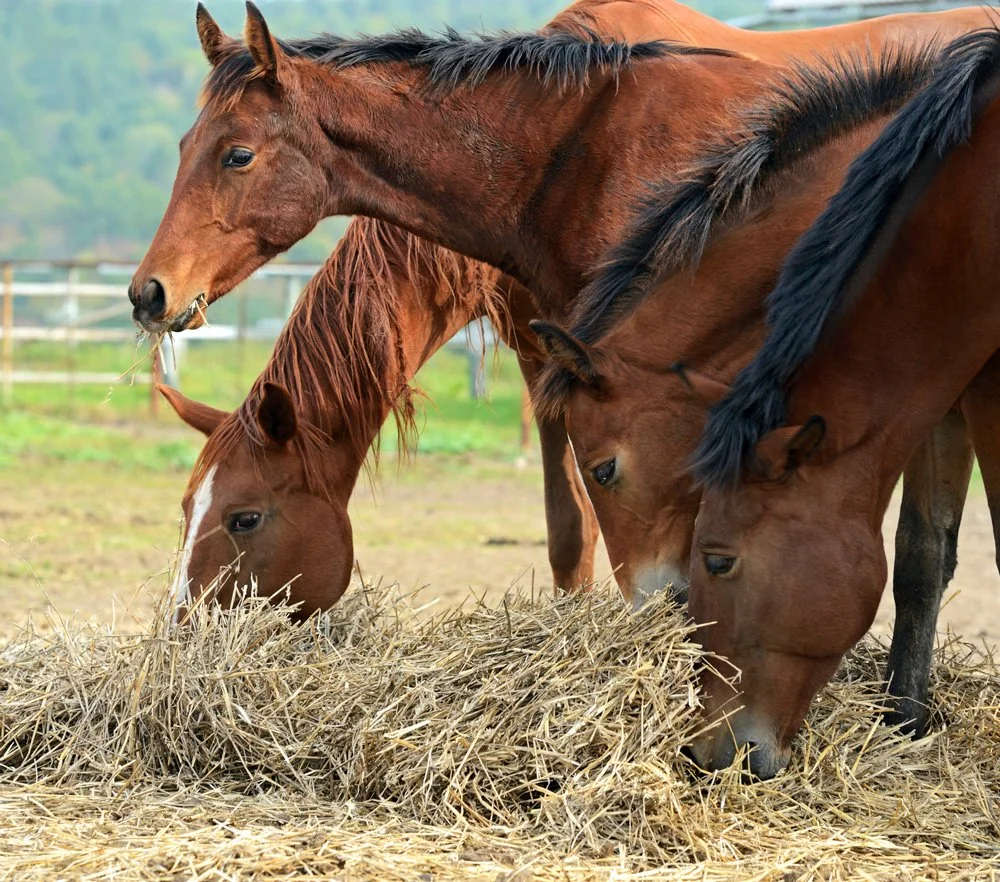
Palatability describes how appealing forage is and how willingly a horse consumes it.
Dust, Mold, and Respiratory Stress
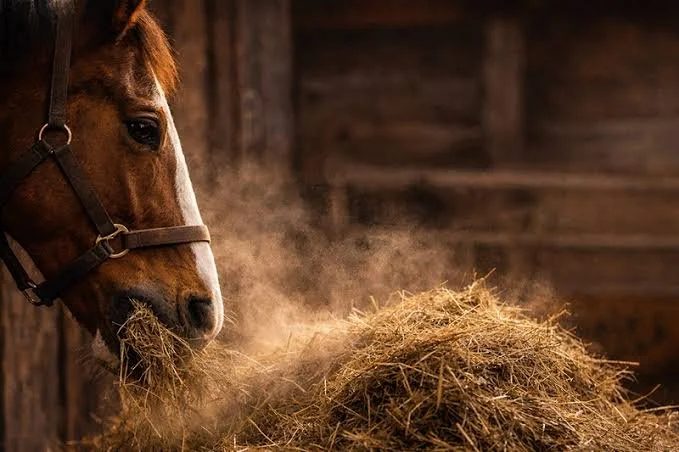
A horse places its nose directly into forage for hours each day. Every time it separates a flake or pulls hay from a feeder, small particles may become airborne around the nostrils. Some are ordinary plant fragments; others may include soil, pollen, mold spores, bacteria, or damaged leaf material.
Choosing Softer Hay for Senior Horses
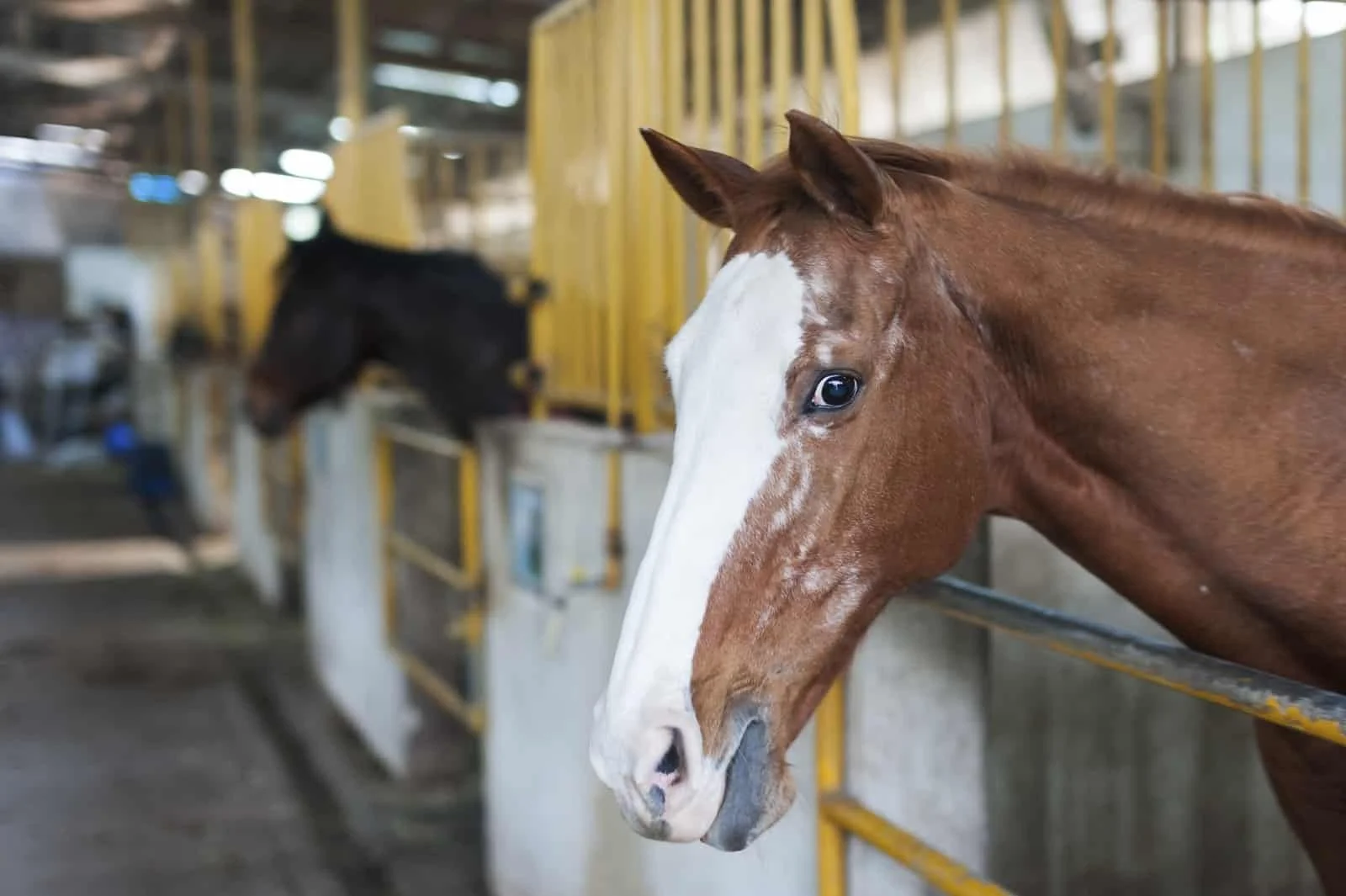
Senior horses continue to rely on hay as the foundation of their diet, yet they may no longer be able to chew or digest forage as efficiently as they once did. Choosing softer, highly palatable hay can help older horses maintain healthy body condition while supporting the digestive system that has served them throughout a lifetime.
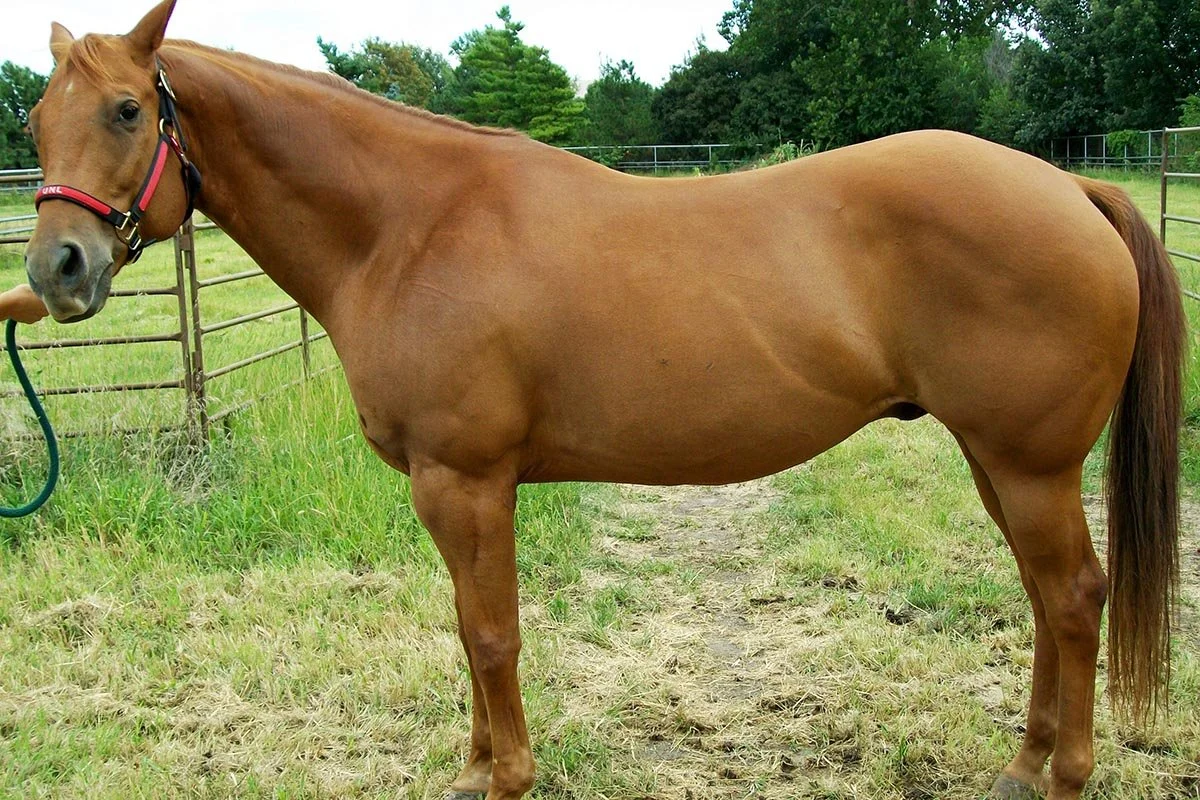
Why Some Horses Struggle to Maintain Weight
While there is rarely a single reason a horse struggles to maintain weight, understanding the factors involved can help owners develop a more effective nutritional plan. In many cases, the answer begins with consistent, high-quality forage rather than dramatic changes to the rest of the diet.
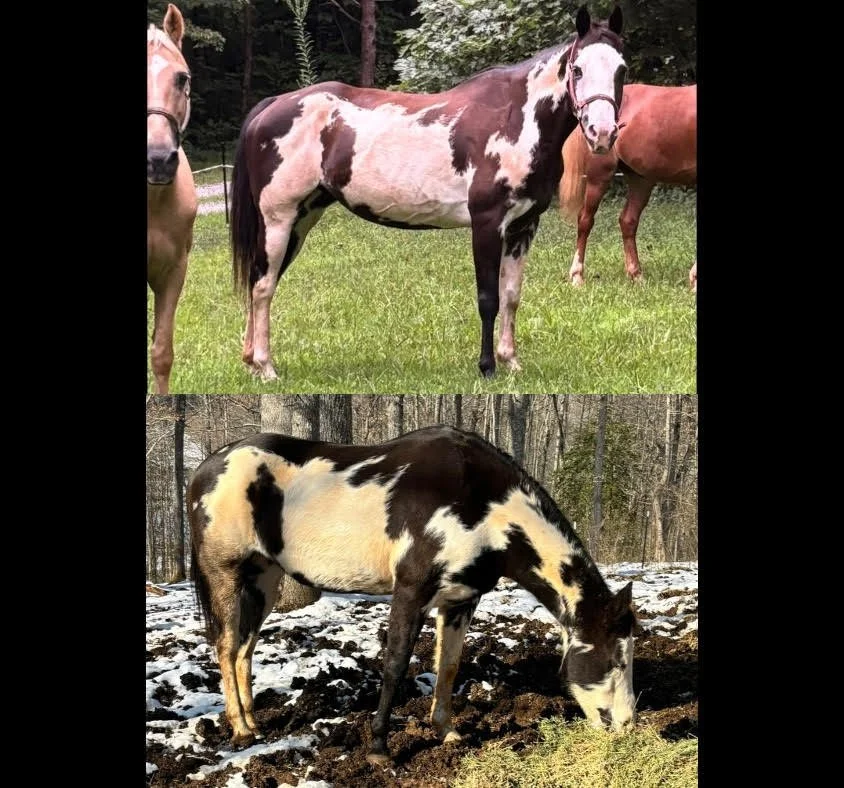
Helping Underweight Horses Gain Condition Safely
…success usually comes from identifying the underlying reason for the weight loss while building a consistent feeding program centered around clean, digestible hay that encourages steady forage intake.
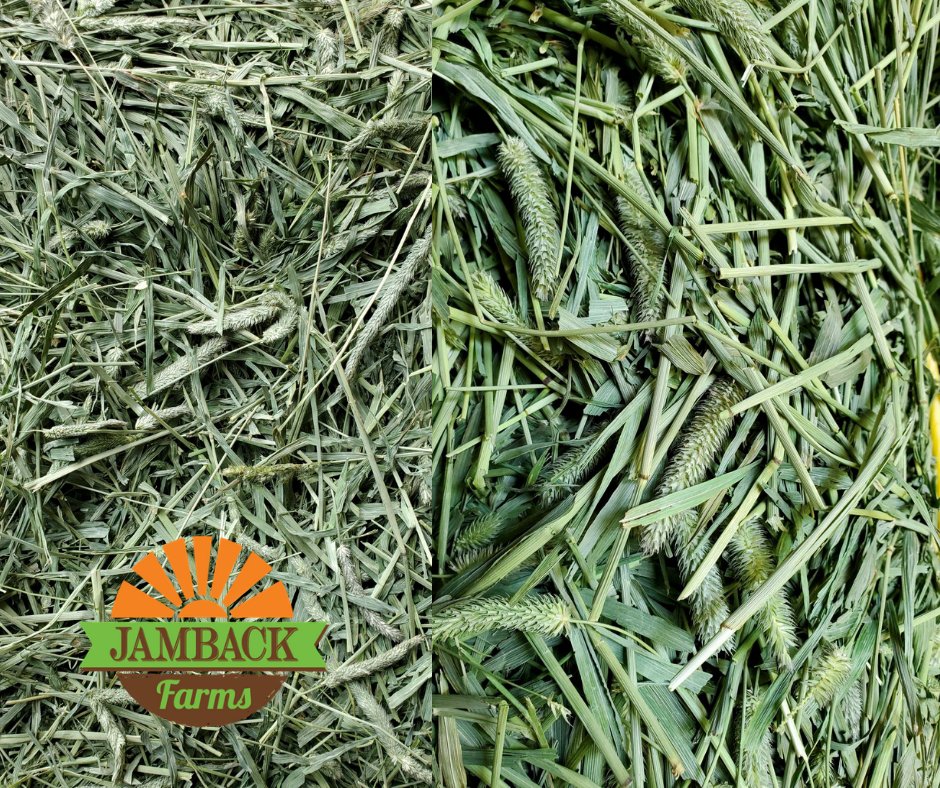
Supporting Hard Keepers with Better Forage
Because forage represents the foundation of the equine diet, hay quality frequently becomes one of the most important factors influencing healthy weight maintenance.
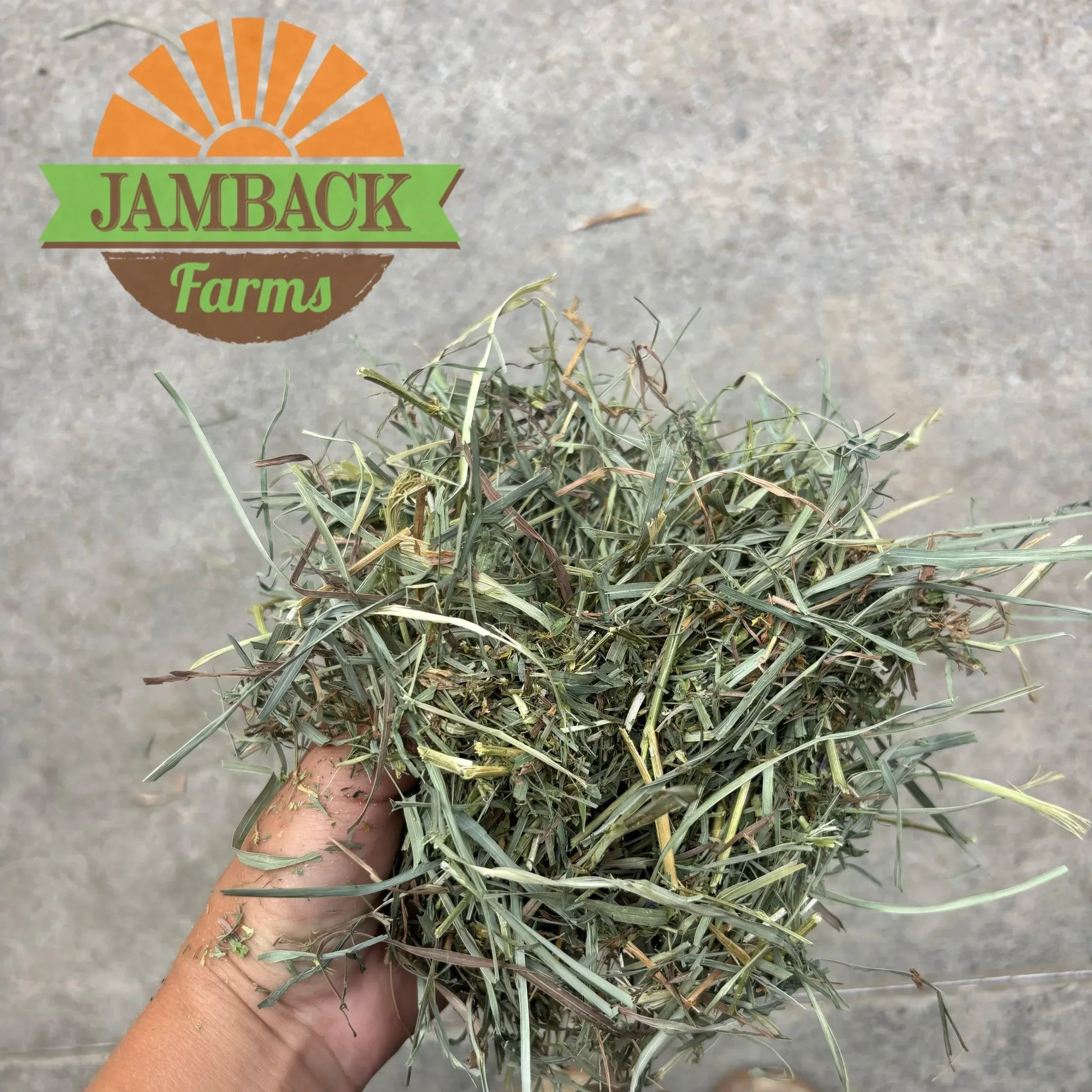
Why Orchardgrass Is So Popular Among Horse Owners
While no single hay is ideal for every situation, orchardgrass often provides an excellent balance between digestibility, fiber quality, and feeding flexibility.
Hay Considerations for Equine Metabolic Syndrome
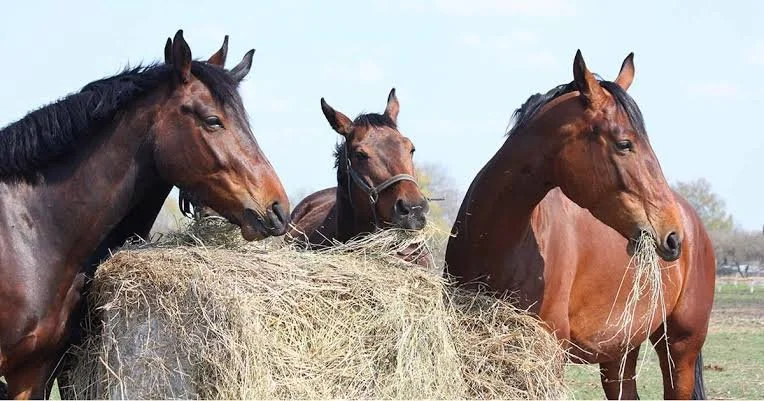
Equine Metabolic Syndrome, commonly called EMS, has become increasingly common among modern horses, especially easy keepers and lightly worked animals.
Feeding Horses with Cushing’s Disease
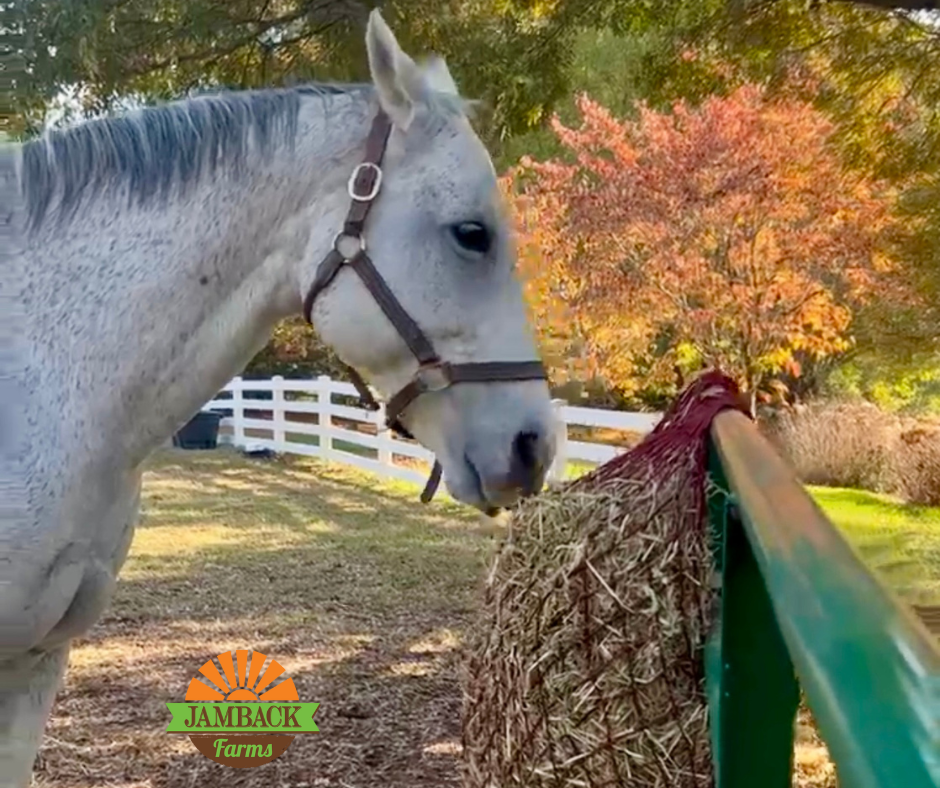
Caring for a horse with Cushing’s disease often requires owners to think more carefully about nutrition, weight management, and overall metabolic health.
Is Soaking Hay Helpful for Metabolic Horses?
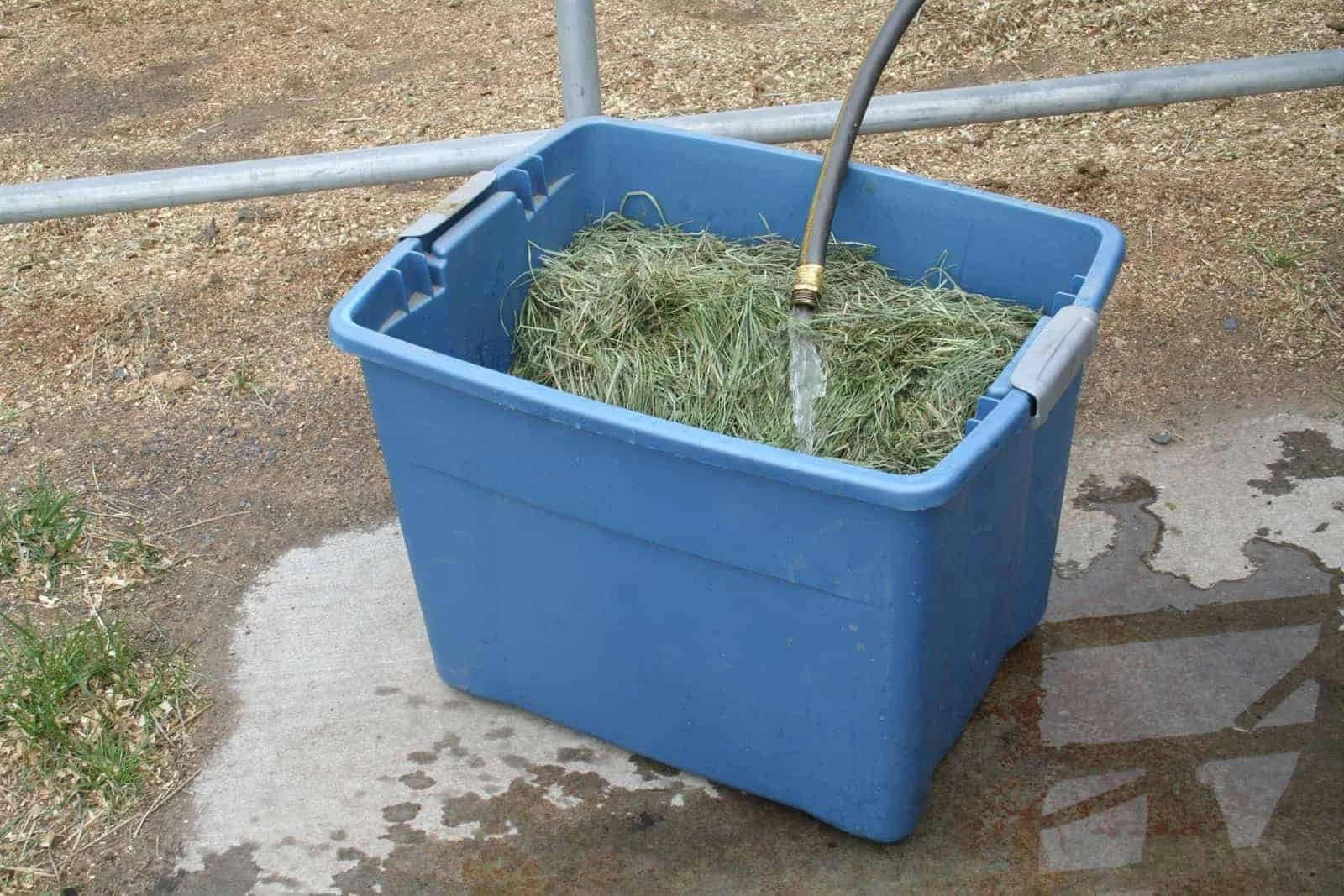
For some horses, soaking forage may help lower certain water-soluble carbohydrates. However, soaking is not a perfect solution, and understanding both its benefits and limitations is important.
Common Feeding Mistakes with Laminitic Horses
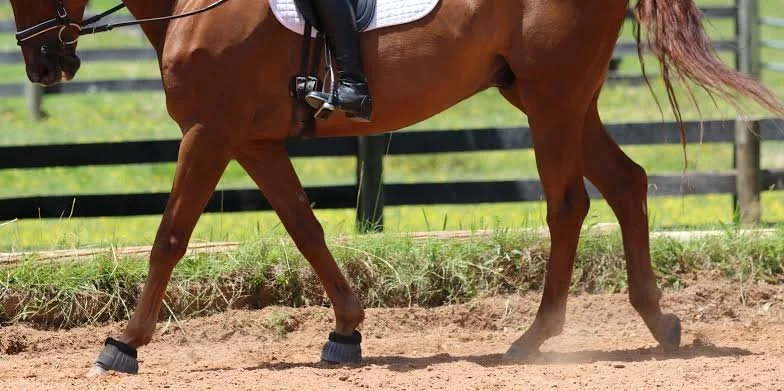
Managing a horse with laminitis can feel overwhelming, especially for owners trying to balance nutrition, weight control, digestive health, and overall comfort at the same time.