Preventing Digestive Upset During Hay Transitions
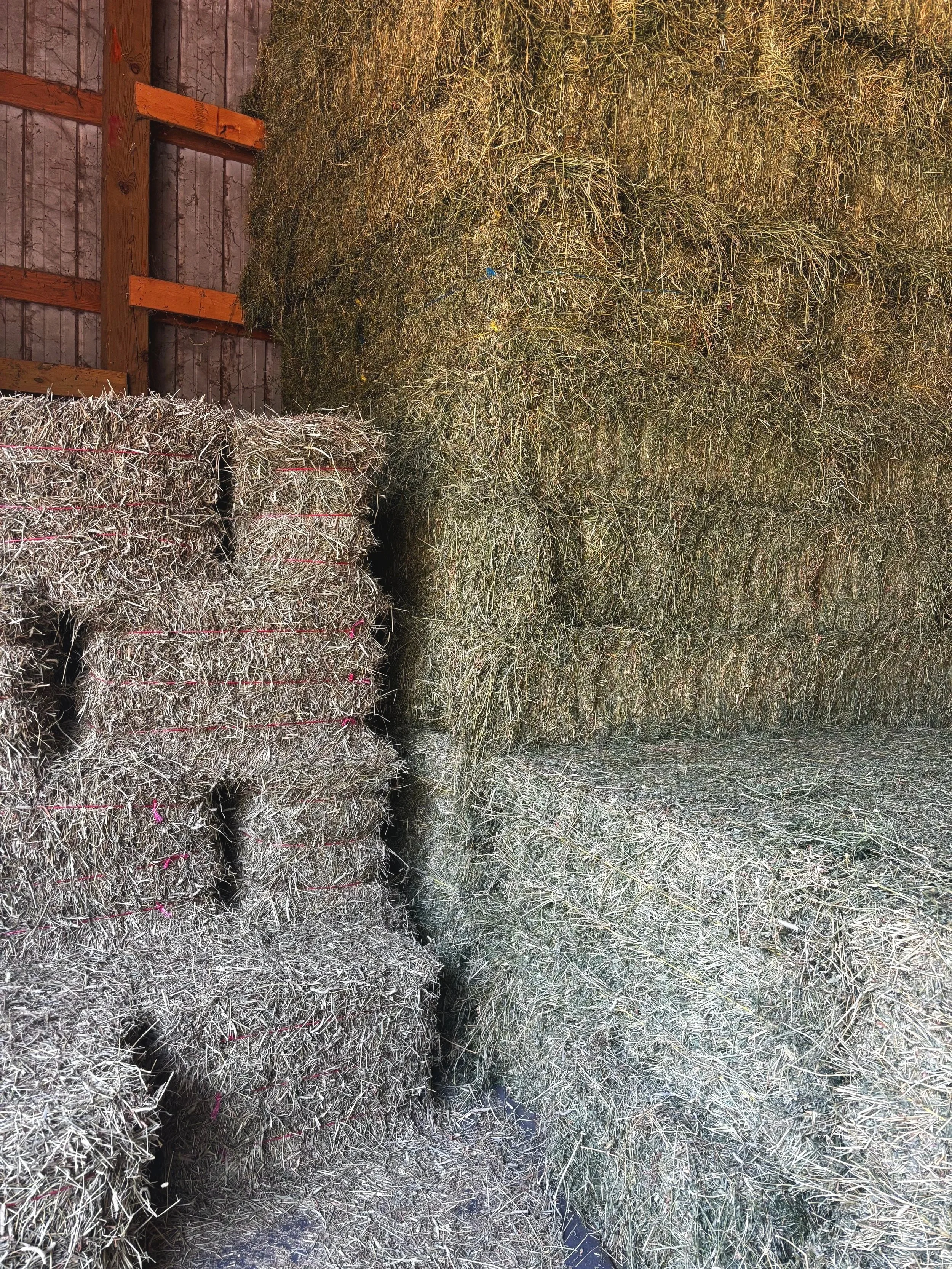
Goats and sheep depend on rumen microorganisms to ferment fibrous forage. Different feeds favor different microbial populations, so sudden dietary changes can alter fermentation faster than the rumen can comfortably adapt. A gradual transition gives the microbial population and the animal time to adjust.
Feeding Senior Goats and Sheep
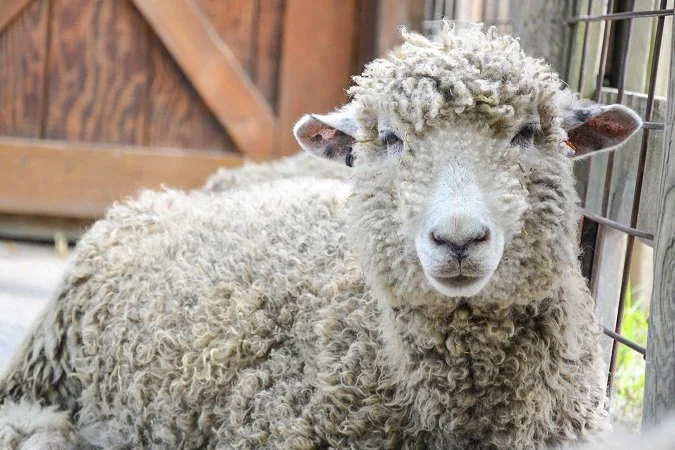
There is no exact age when every goat or sheep becomes nutritionally senior. A twelve-year-old animal with excellent teeth and stable body condition may continue to thrive on a familiar maintenance diet, while a younger animal may need special feeding because of dental wear, illness, arthritis, or poor condition.
Hay Waste Reduction for Small Farms
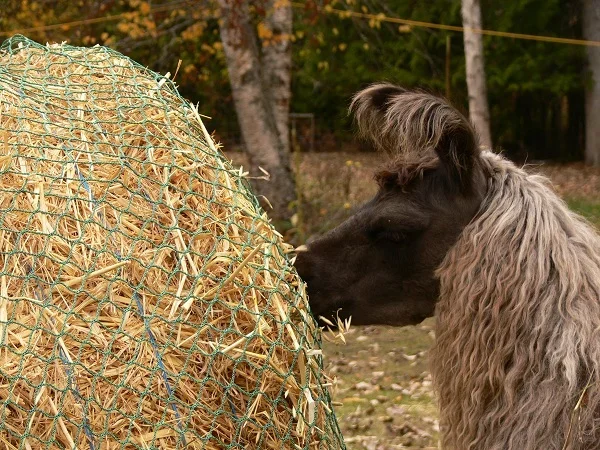
Hay waste is not one single problem. On a small farm it may occur during storage, handling, feeding, or after animals begin sorting through the forage. Before buying a different hay or feeder, determine where the loss is occurring.
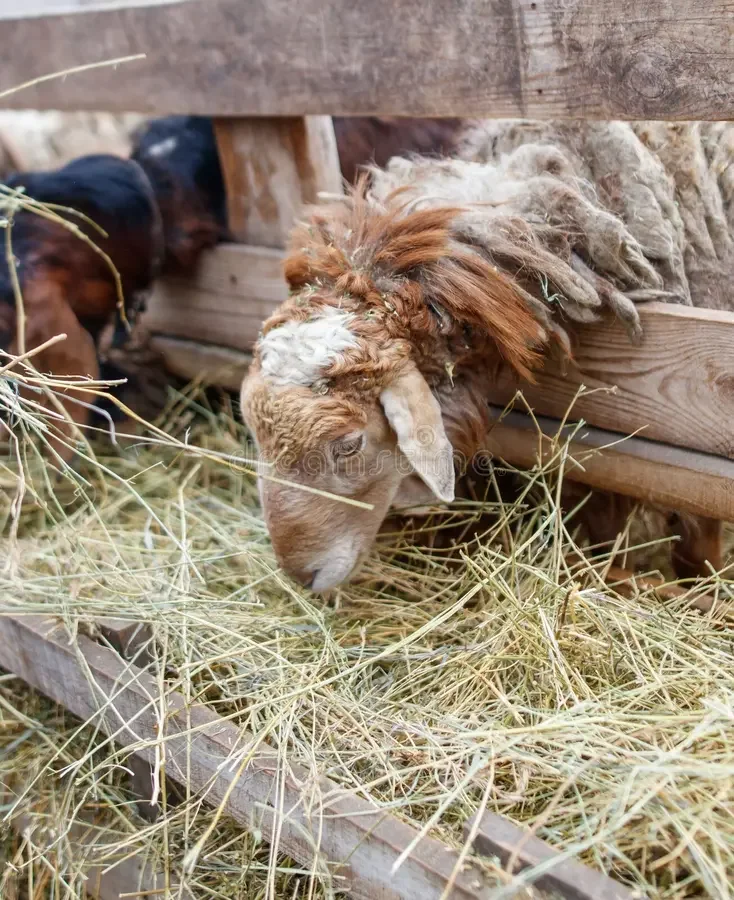
Understanding Copper Sensitivity Concerns in Goats and Sheep
Both goats and sheep need copper, but goats generally tolerate and require more, while sheep accumulate it more readily and are more vulnerable to toxicity.
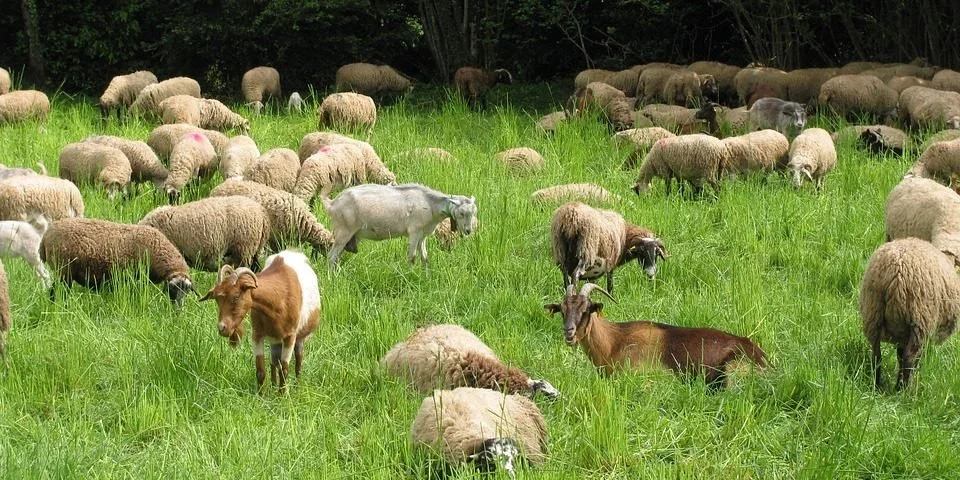
Preventing Obesity in Small Ruminants
A few handfuls of grain, regular treats, rich pasture, and highly digestible hay may appear harmless separately. Over time, total energy can exceed the needs of a mature pet, wether, dry ewe, or retired breeding animal.