Understanding Copper Sensitivity Concerns in Goats and Sheep
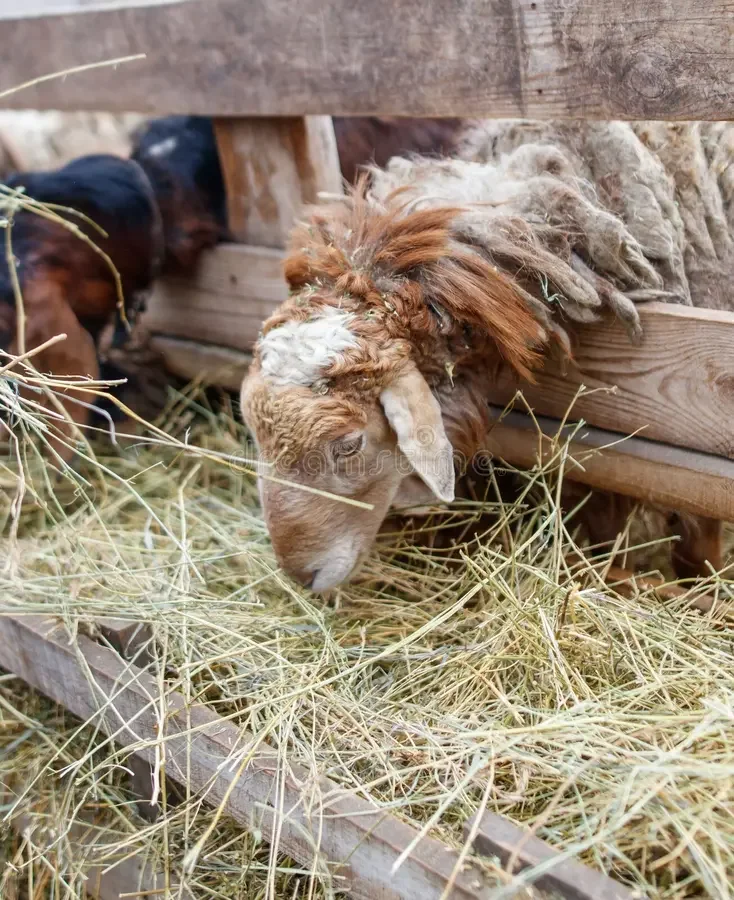
Both goats and sheep need copper, but goats generally tolerate and require more, while sheep accumulate it more readily and are more vulnerable to toxicity.
Choosing the Right Hay for Dairy Goats
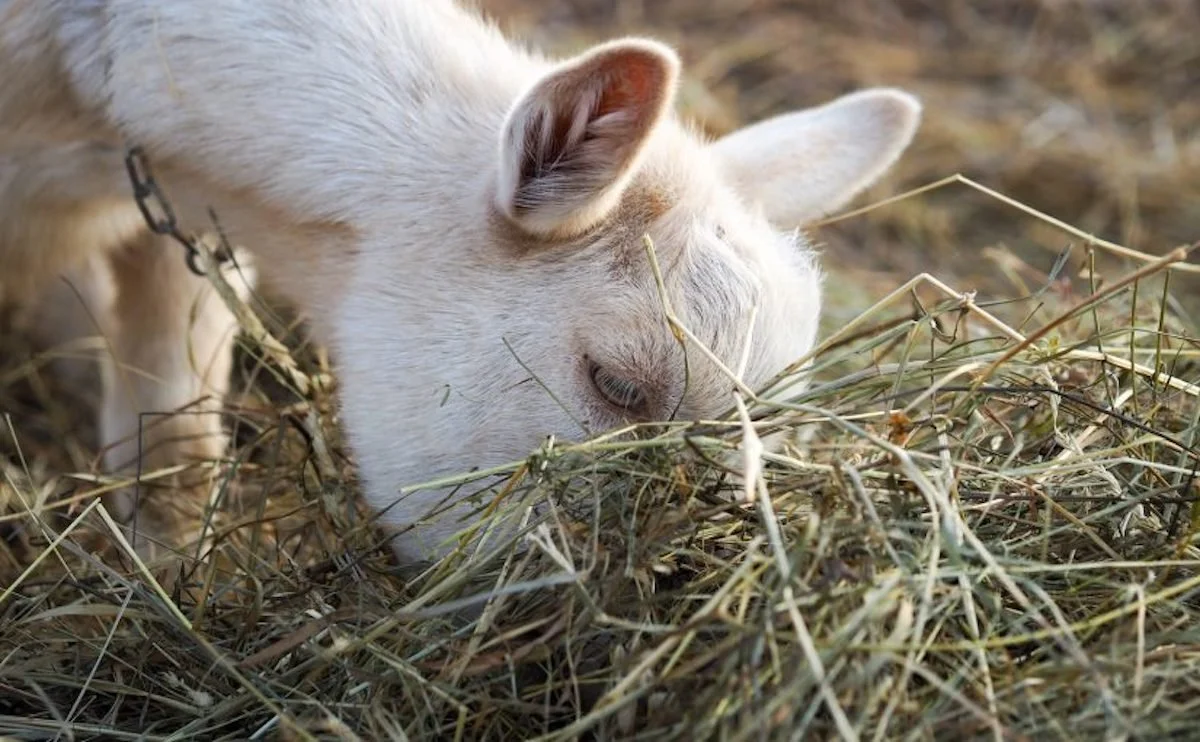
Goats are selective intermediate browsers and often seek leaves, tender shoots, and digestible plant material. A dairy doe requires hay that is leafy, clean, palatable, appropriately mature, and nutritious enough for her current production stage.
Slow Feeding Strategies for Gut Stability
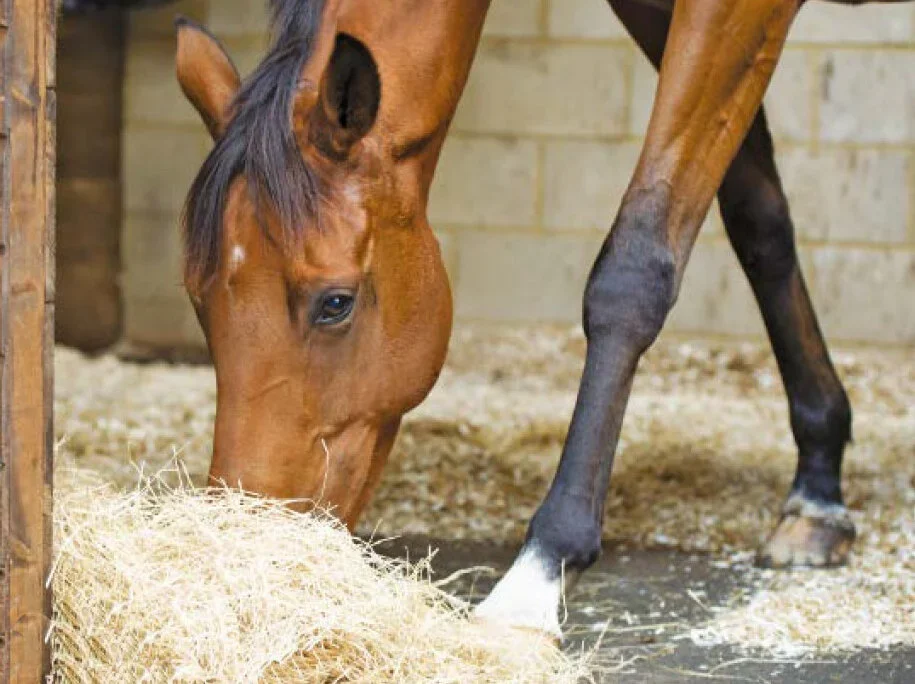
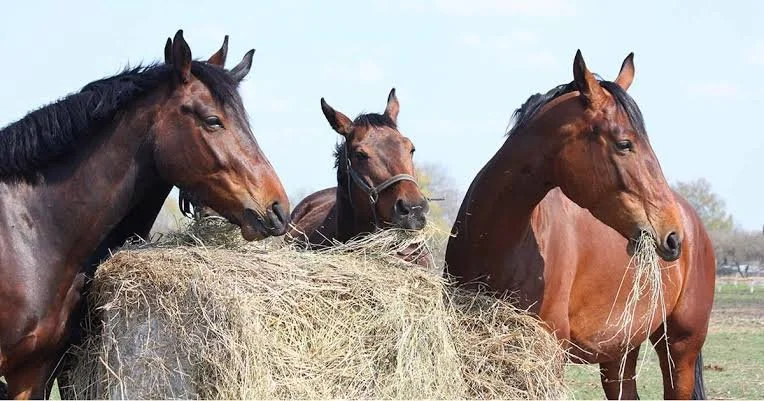
Total hay weight is important, but distribution matters too. Two horses may receive equal pounds while one finishes quickly and spends hours without forage and the other eats gradually through divided meals or a slow feeder.
Why Palatability Matters in Digestive Health
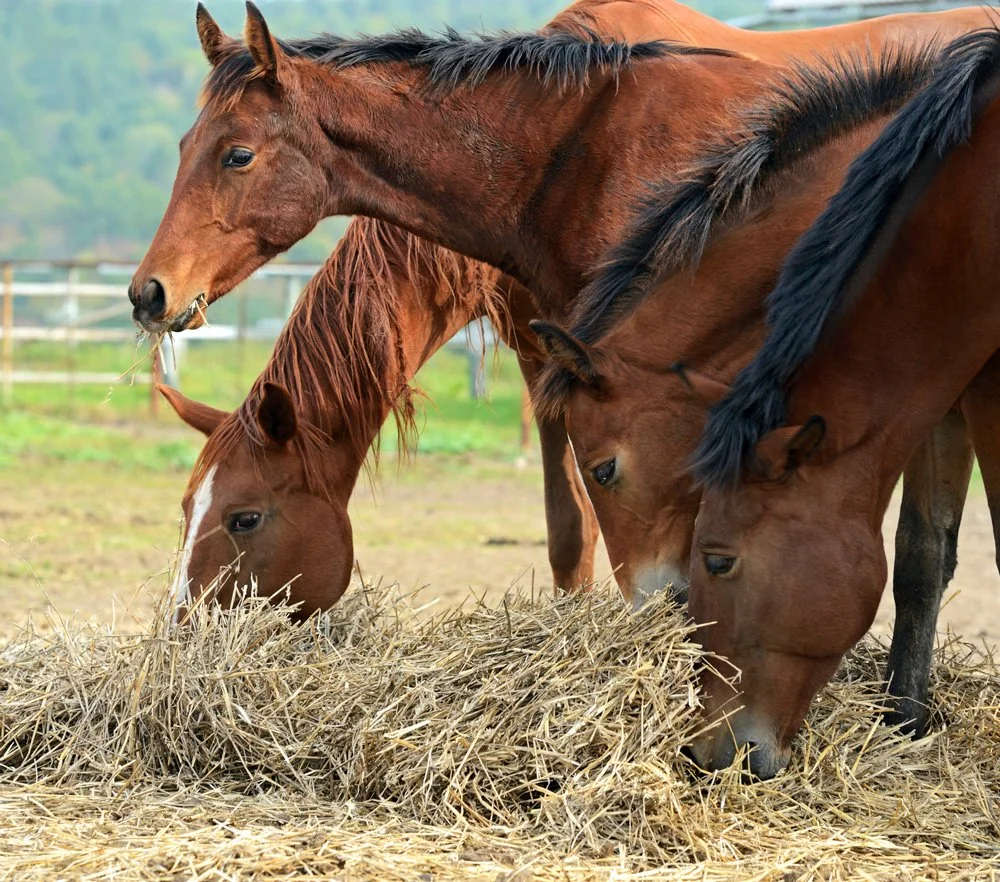
Palatability describes how appealing forage is and how willingly a horse consumes it.
Dust, Mold, and Respiratory Stress
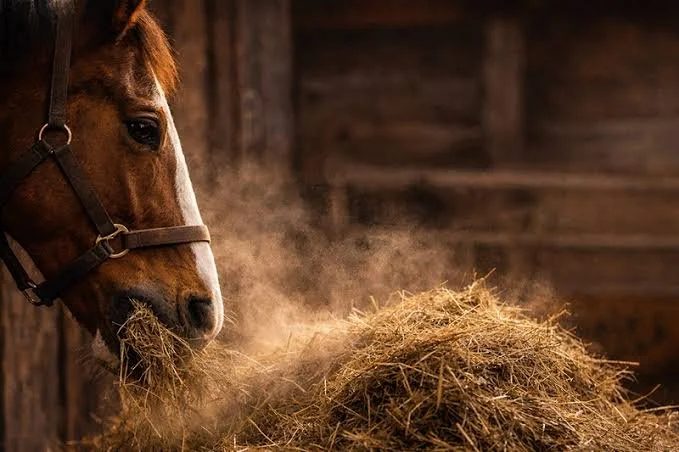
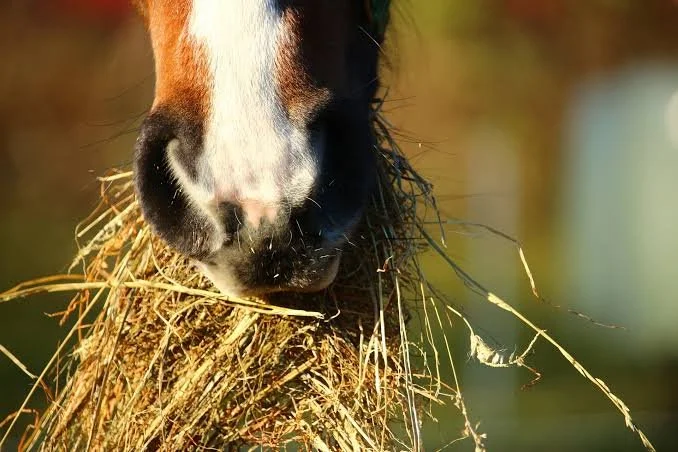
A horse places its nose directly into forage for hours each day. Every time it separates a flake or pulls hay from a feeder, small particles may become airborne around the nostrils. Some are ordinary plant fragments; others may include soil, pollen, mold spores, bacteria, or damaged leaf material.
The Role of Digestible Fiber in Horse Nutrition
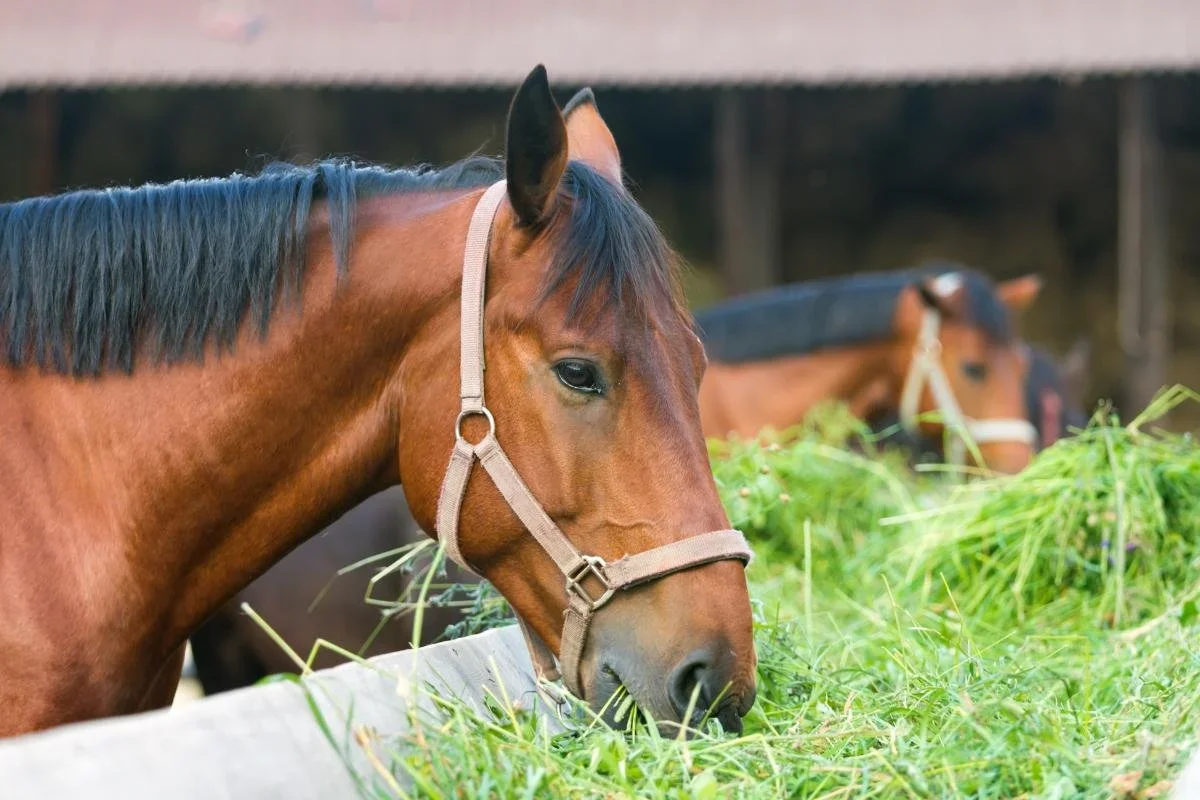
Understanding the difference between simply feeding fiber and providing digestible fiber can help owners make better decisions about hay selection and long-term feeding management.
Helping Underweight Horses Gain Condition Safely
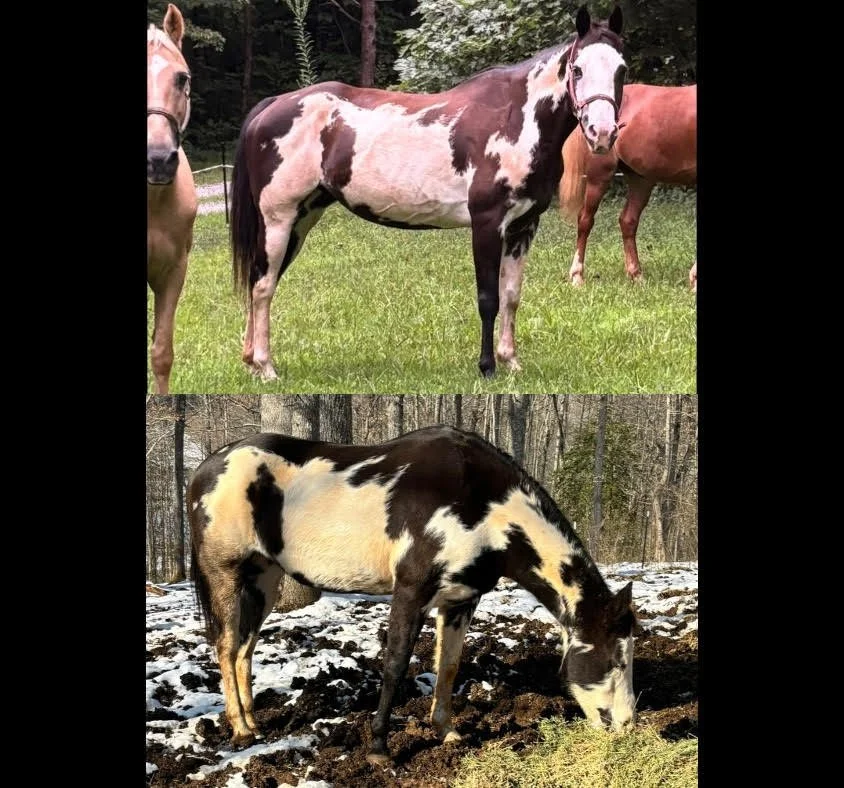
…success usually comes from identifying the underlying reason for the weight loss while building a consistent feeding program centered around clean, digestible hay that encourages steady forage intake.
Why Some Horses Gain Weight Easily
Healthy weight management is rarely about dramatic restriction. It is usually about steady, sustainable nutritional balance.
Weight Control Through Forage Management
Understanding how forage influences calories, digestibility, and feeding behavior can help owners make more informed decisions.
Hay Considerations for Equine Metabolic Syndrome
Equine Metabolic Syndrome, commonly called EMS, has become increasingly common among modern horses, especially easy keepers and lightly worked animals.