Seasonal Feeding Adjustments for Llamas and Alpacas
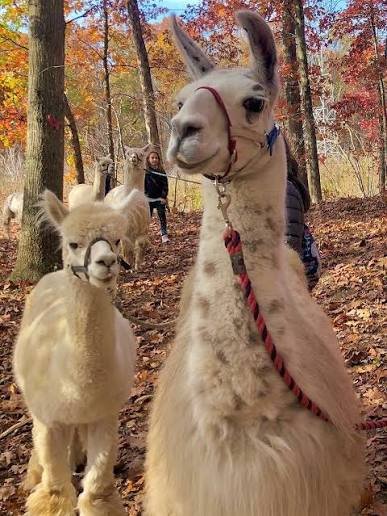
Seasonal feeding should change when pasture, temperature, body condition, pregnancy, lactation, growth, age, or actual intake changes. A warm winter, wet spring, summer drought, or highly productive pasture can make a rigid calendar-based feeding plan inaccurate.
Feeding Pregnant and Lactating Alpacas
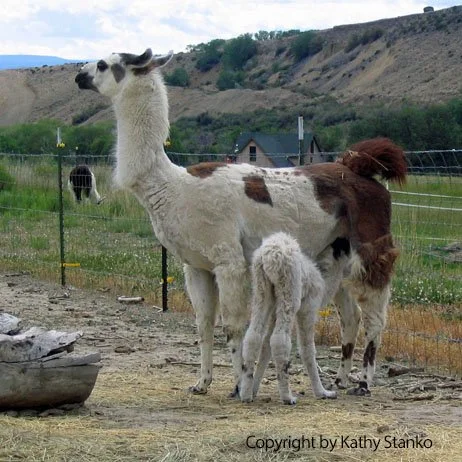
Pregnancy does not automatically mean that every female needs richer hay immediately. Begin by evaluating body condition with your hands rather than through the fleece. A female entering pregnancy in good condition may need little nutritional change during early gestation, while a thin female may need additional support sooner.
Dust and Respiratory Health in Alpacas
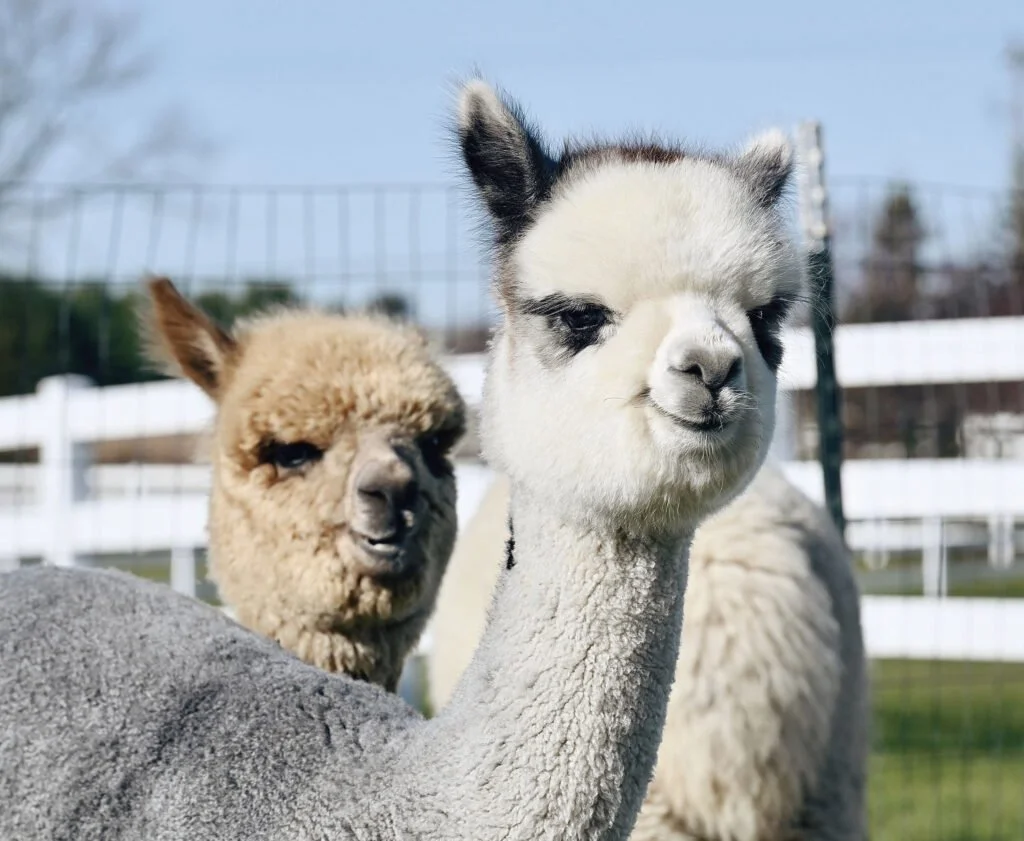
Alpacas spend hours with their noses close to forage, so hay quality affects more than nutrition. Fine plant particles, soil, mold spores, and other organic material may become airborne during feeding. A small amount of plant fines is normal. A heavy cloud every time a bale is opened deserves investigation.
Hay Waste Reduction for Camelid Owners
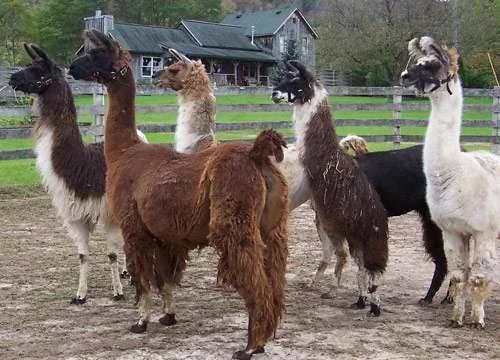
Hay waste occurs when camelids pull out more than they can eat, reject coarse stems, drop forage on the ground, contaminate it with manure or urine, trample it, expose it to rain, or receive more than they will consume before it deteriorates.
Managing Body Condition in Fiber Animals
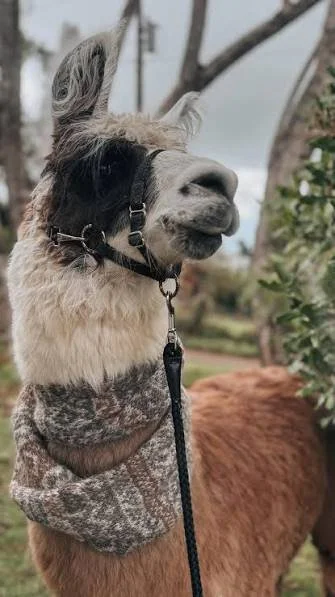
One of the greatest challenges in managing alpacas and llamas is that the fiber coat can hide both weight loss and excess condition. An animal may look round and healthy from across the pasture while quietly losing muscle along the topline, or it may appear simply fluffy while carrying more fat than is ideal.
Why Soft Texture Matters for Alpacas
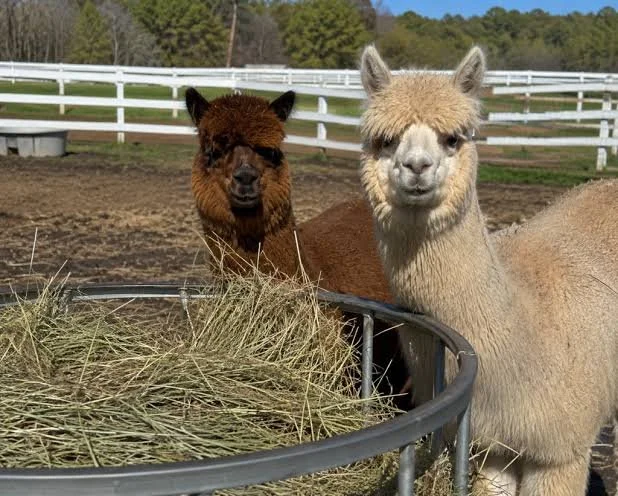
A forage analysis can describe protein, fiber, energy, and minerals, but it does not fully describe how the hay feels in the mouth. Two grass hays with similar laboratory values may differ greatly in stem diameter, rigidity, leafiness, and seed-head development.
Choosing Hay for Easy-Keeping Camelids
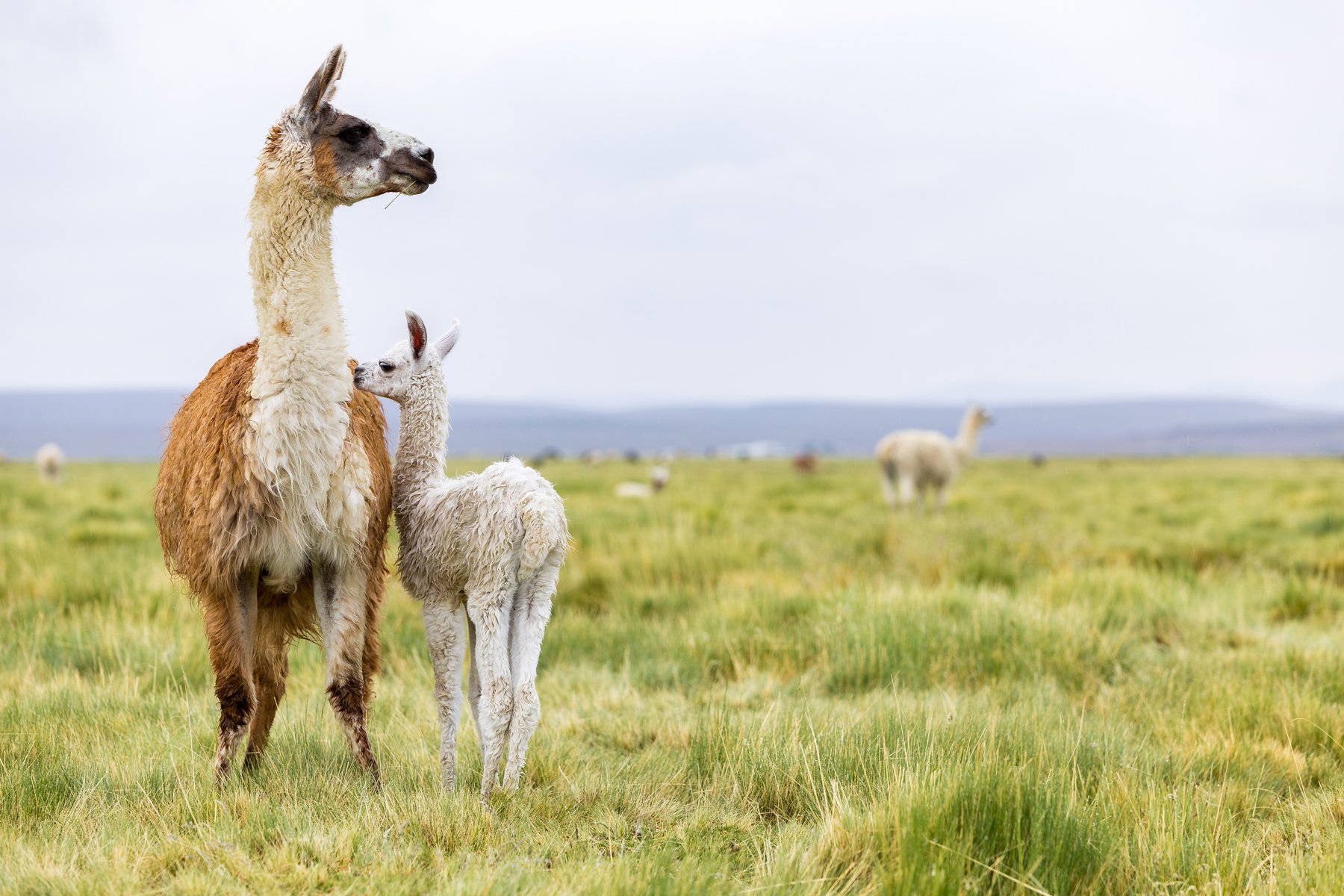
Alpacas and llamas are highly efficient at using fibrous forage. That efficiency can make them economical to maintain, but it also means mature animals with modest requirements may gain excessive condition on rich hay, productive pasture, and unnecessary supplements.
Common Forage Mistakes in Backyard Livestock
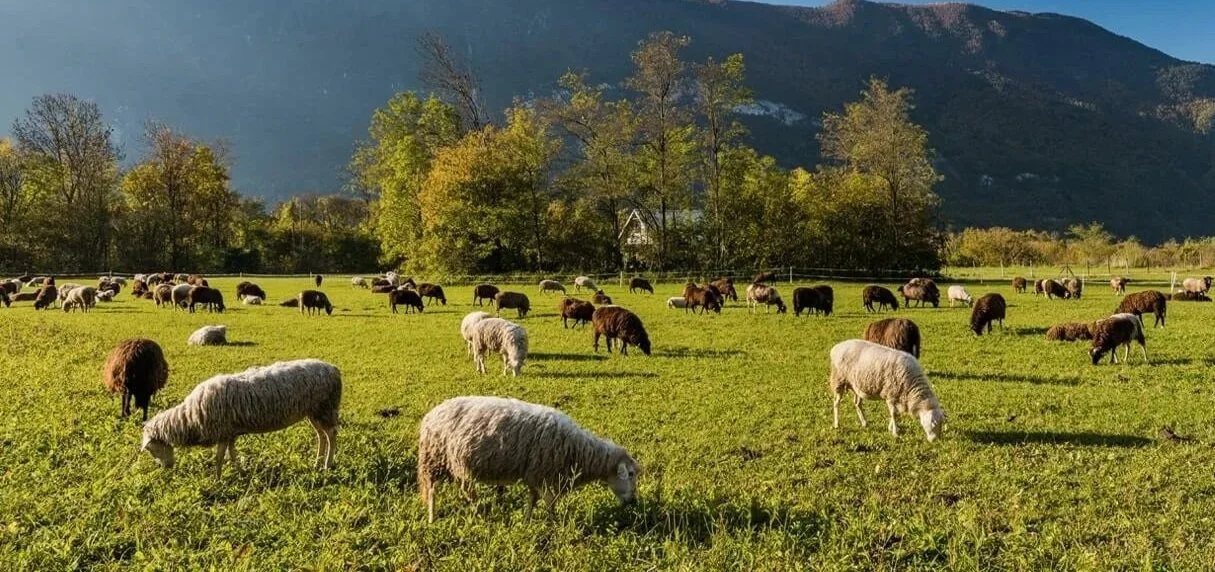
A mature pet wether, pregnant doe, lactating ewe, growing youngster, overweight adult, and thin senior do not share the same requirements. Group animals broadly by maintenance, higher demand, easy keeper, or senior needs when necessary.

Hay Storage Tips for Small Acreage Owners
Moisture Is the Main Enemy…Hay can gain moisture from being baled too wet, roof leaks, ground contact, condensation, wind-driven rain, flooding, or humid enclosed storage. Once enough moisture enters a bale, mold, heating, nutrient loss, and palatability problems can follow.

Best Forage Types for Hobby Sheep
A mature pet ewe in good condition may thrive on moderate grass hay. A thin senior, pregnant ewe, lactating ewe, or growing lamb may need more nutritional density. Forage choice should begin with the sheep rather than a universal ranking of hay species.

Managing Dust Sensitivity in Sheep
Particles released from hay may include dried plant fragments, shattered leaves, soil, fungal spores, and other organic material. A small amount of plant debris can occur in dry hay, while a heavy visible cloud deserves closer inspection.

Why Goats Reject Certain Hays
Goats are natural browsers and tend to select leaves, tender shoots, and more digestible plant portions. That behavior continues at the hay feeder, where they may pull out leaves, choose fine stems, and reject mature stalks.

Hay for Pygmy and Miniature Goats
Small stature does not change the basic digestive system. Pygmy, Nigerian Dwarf, and other miniature goats still depend on forage and rumen fermentation. Their diets should remain centered on hay, browse, pasture, and other appropriate forage.

Feeding Senior Goats and Sheep
There is no exact age when every goat or sheep becomes nutritionally senior. A twelve-year-old animal with excellent teeth and stable body condition may continue to thrive on a familiar maintenance diet, while a younger animal may need special feeding because of dental wear, illness, arthritis, or poor condition.

Understanding Copper Sensitivity Concerns in Goats and Sheep
Both goats and sheep need copper, but goats generally tolerate and require more, while sheep accumulate it more readily and are more vulnerable to toxicity.

Supporting Goat & Sheep Milk Production Naturally Through Forage
Lactating goats and ewes need more usable energy, protein, water, and minerals than maintenance animals. Requirements are often greatest in early lactation and increase with milk yield and the number of offspring.

Hay Selection for Pregnant Ewes
Early pregnancy often resembles maintenance feeding, while the final six to eight weeks are more demanding because fetal growth accelerates. Requirements rise further when a ewe carries twins or triplets. Nutrition should increase gradually rather than changing abruptly immediately before lambing.

Preventing Obesity in Small Ruminants
A few handfuls of grain, regular treats, rich pasture, and highly digestible hay may appear harmless separately. Over time, total energy can exceed the needs of a mature pet, wether, dry ewe, or retired breeding animal.

Forage Needs of Pet Goats vs. Production Goats
Pet and production are management descriptions. Actual needs depend on body weight, condition, age, growth, pregnancy, lactation, activity, climate, and health.

Choosing the Right Hay for Dairy Goats
Goats are selective intermediate browsers and often seek leaves, tender shoots, and digestible plant material. A dairy doe requires hay that is leafy, clean, palatable, appropriately mature, and nutritious enough for her current production stage.