Hay for Pygmy and Miniature Goats
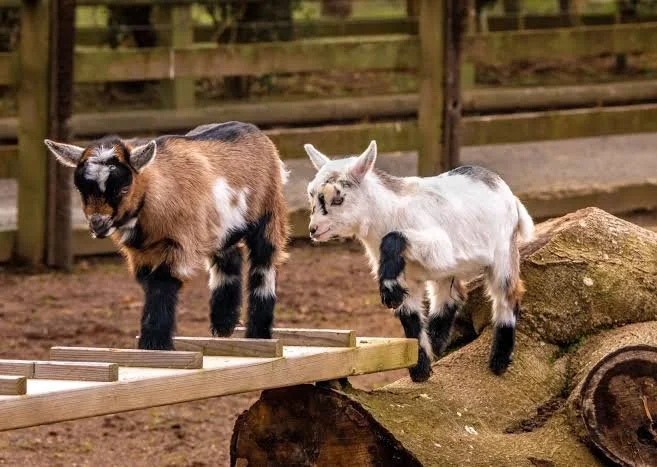
Small stature does not change the basic digestive system. Pygmy, Nigerian Dwarf, and other miniature goats still depend on forage and rumen fermentation. Their diets should remain centered on hay, browse, pasture, and other appropriate forage.
Supporting Goat & Sheep Milk Production Naturally Through Forage
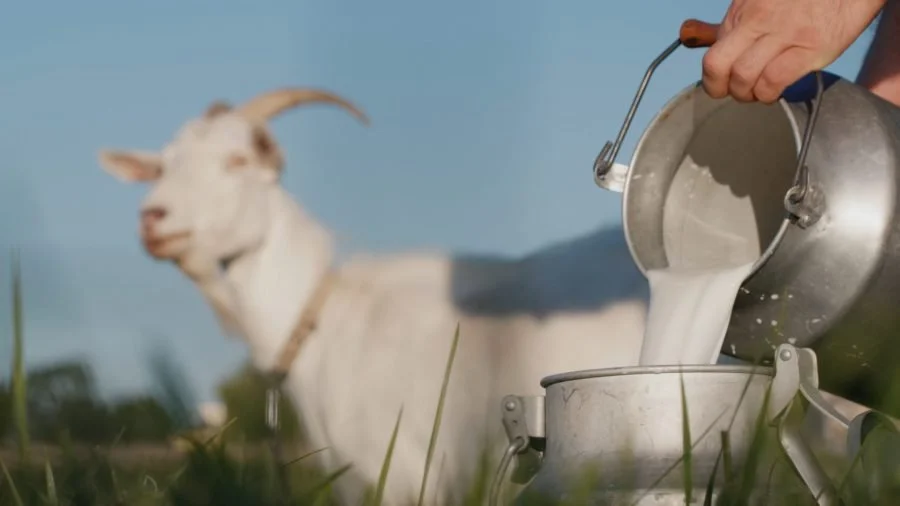
Lactating goats and ewes need more usable energy, protein, water, and minerals than maintenance animals. Requirements are often greatest in early lactation and increase with milk yield and the number of offspring.
Hay Selection for Pregnant Ewes
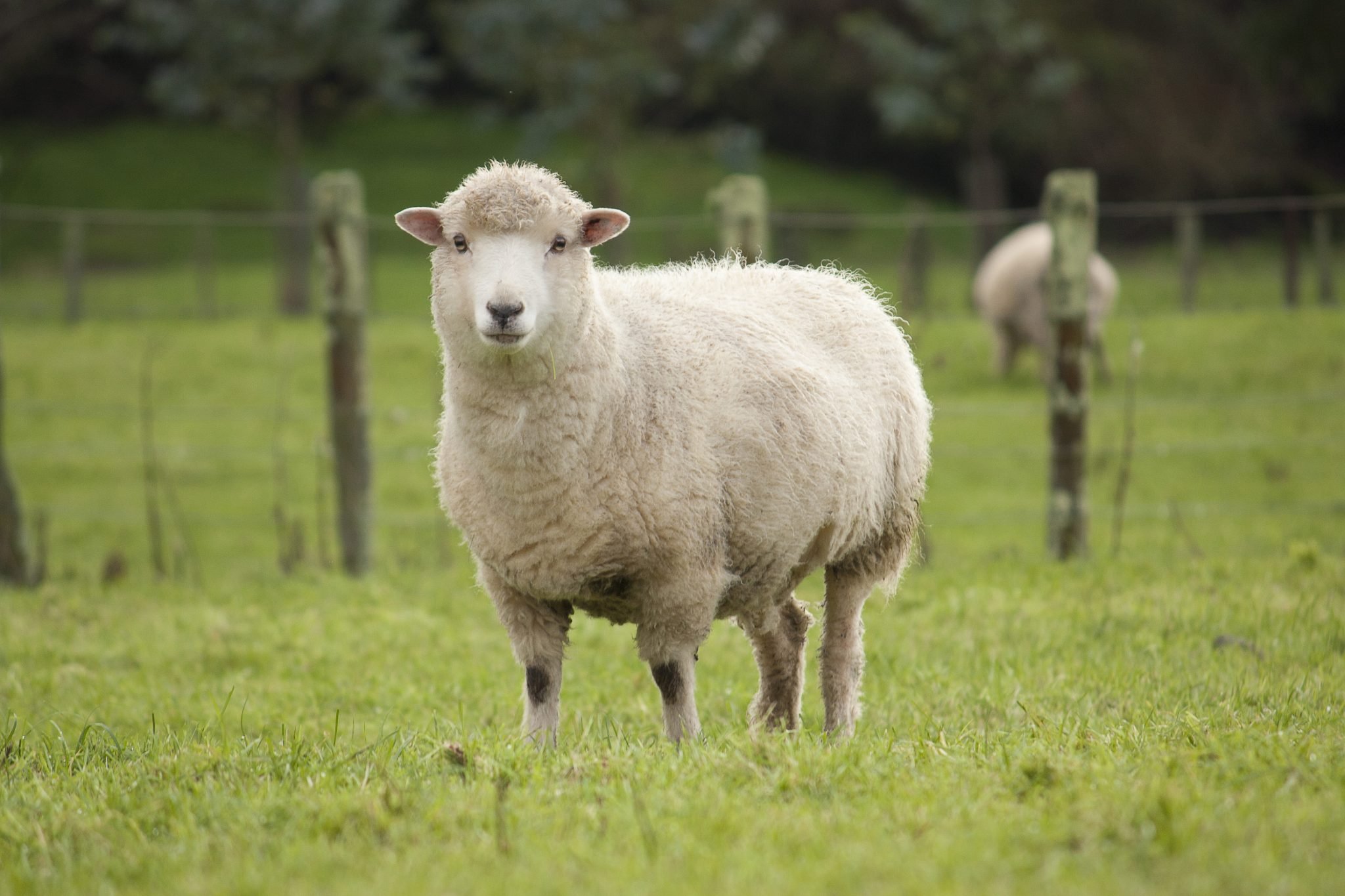
Early pregnancy often resembles maintenance feeding, while the final six to eight weeks are more demanding because fetal growth accelerates. Requirements rise further when a ewe carries twins or triplets. Nutrition should increase gradually rather than changing abruptly immediately before lambing.
Preventing Obesity in Small Ruminants
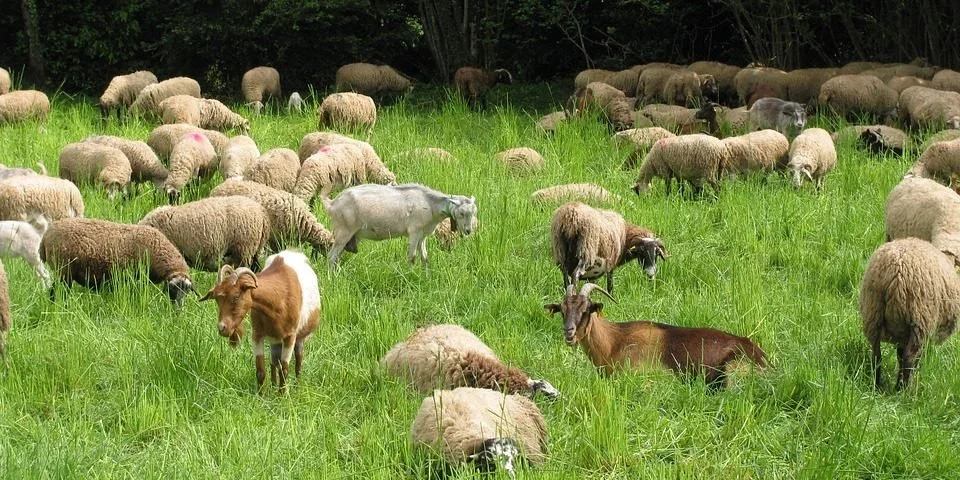
A few handfuls of grain, regular treats, rich pasture, and highly digestible hay may appear harmless separately. Over time, total energy can exceed the needs of a mature pet, wether, dry ewe, or retired breeding animal.
Choosing the Right Hay for Dairy Goats
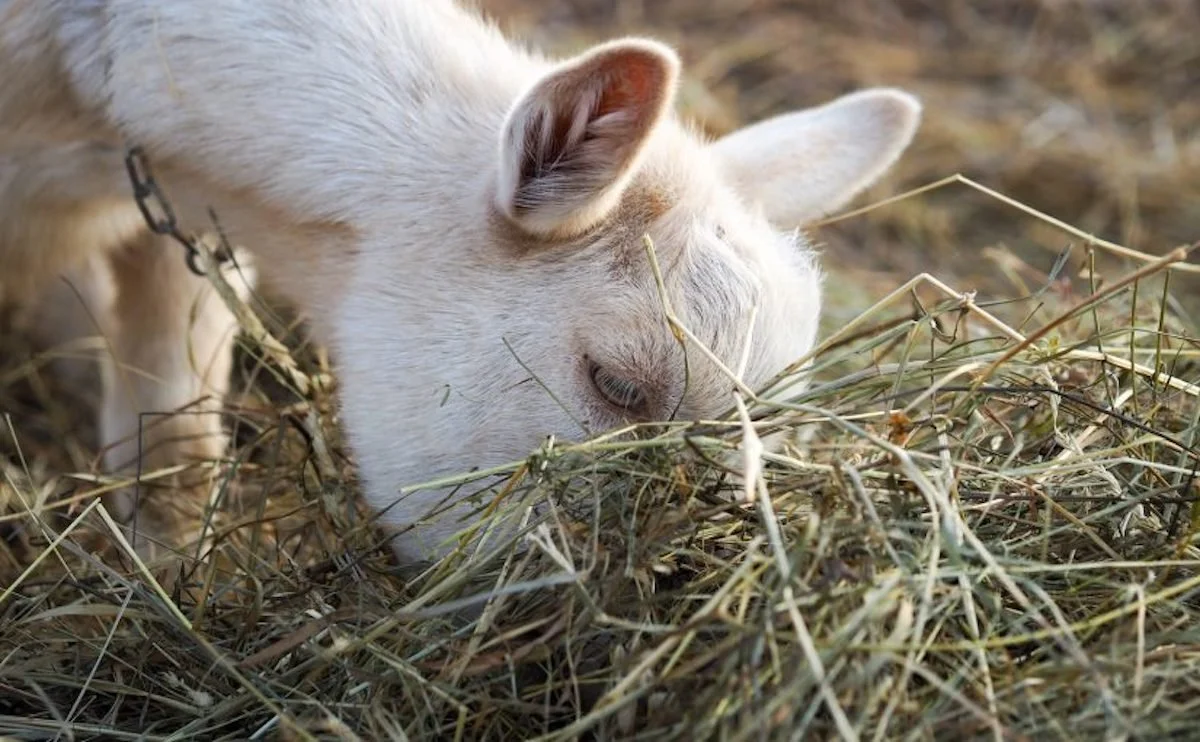
Goats are selective intermediate browsers and often seek leaves, tender shoots, and digestible plant material. A dairy doe requires hay that is leafy, clean, palatable, appropriately mature, and nutritious enough for her current production stage.
Hay Texture and Digestive Comfort
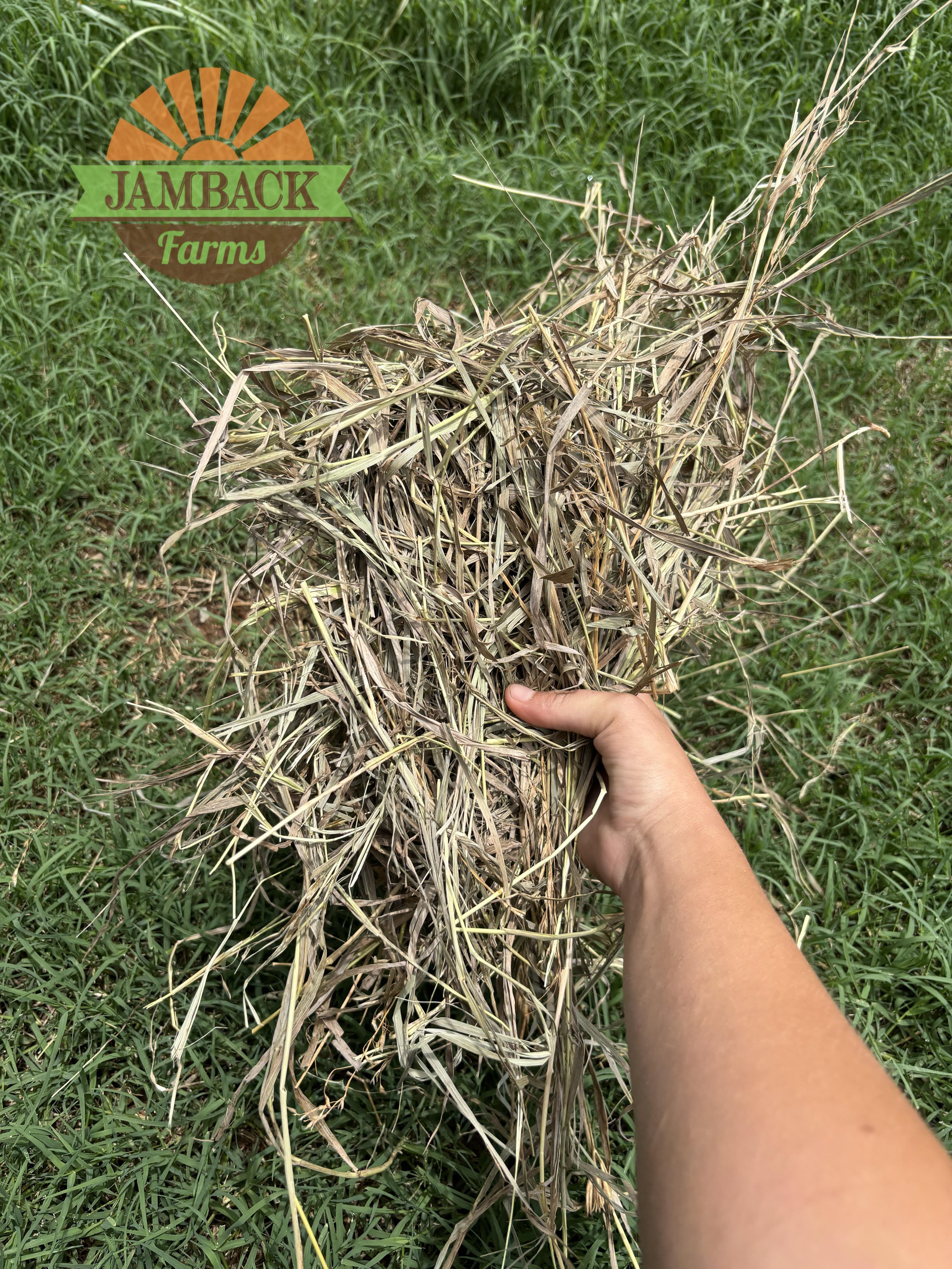
Hay texture influences how comfortably a horse chews, how eagerly it eats, how much it wastes, and how consistently it consumes forage throughout the day. A soft, leafy hay may be ideal for a senior horse or selective eater, while another horse may comfortably consume a somewhat more mature grass hay that provides substantial chewing fiber.
The Connection Between Forage and Equine Ulcers
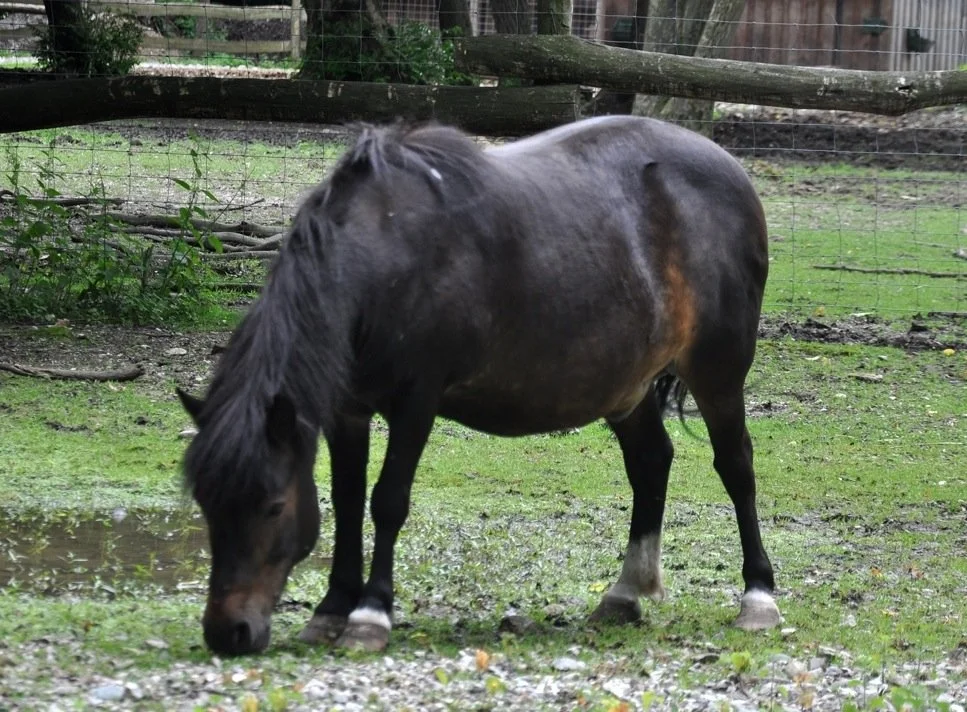
Equine gastric ulcers can affect horses of many ages, breeds, and activity levels. They are especially familiar to owners of performance horses, frequent travelers, and animals exposed to significant changes in routine, but they are not limited to those groups.