Slow Feeding Strategies for Gut Stability
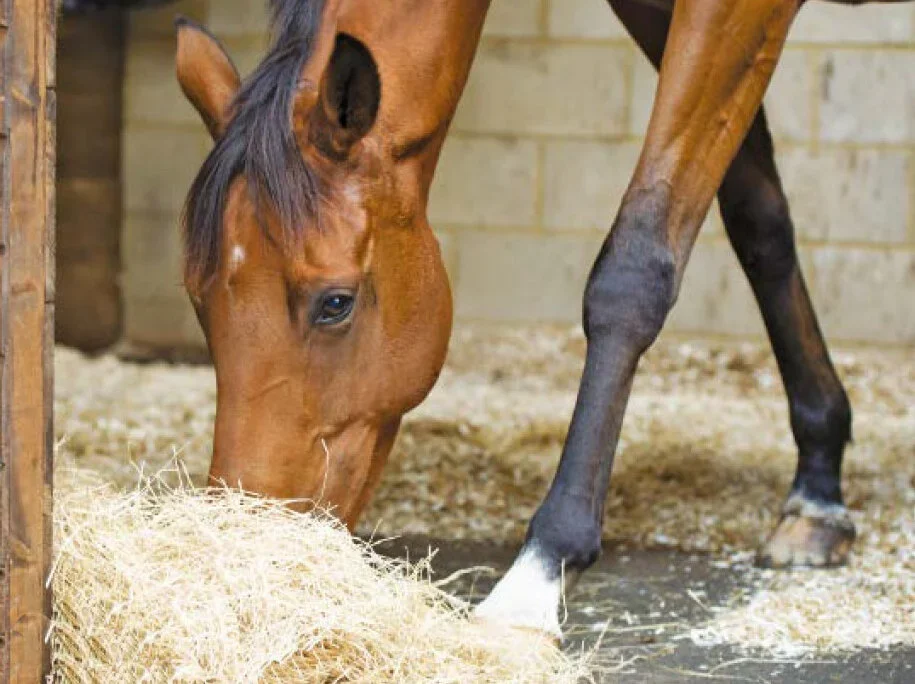
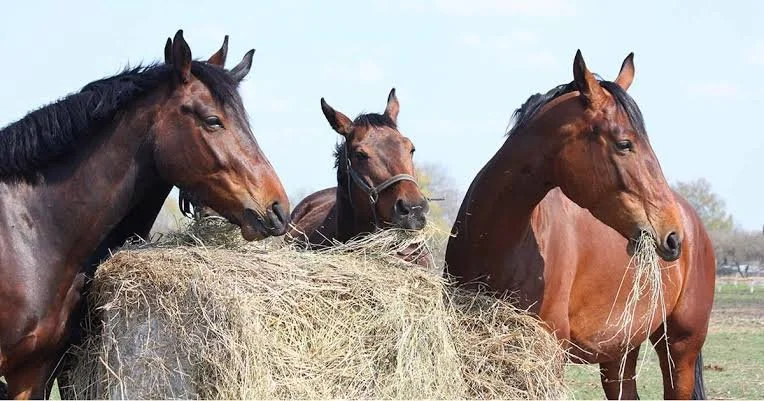
Total hay weight is important, but distribution matters too. Two horses may receive equal pounds while one finishes quickly and spends hours without forage and the other eats gradually through divided meals or a slow feeder.
Dust, Mold, and Respiratory Stress
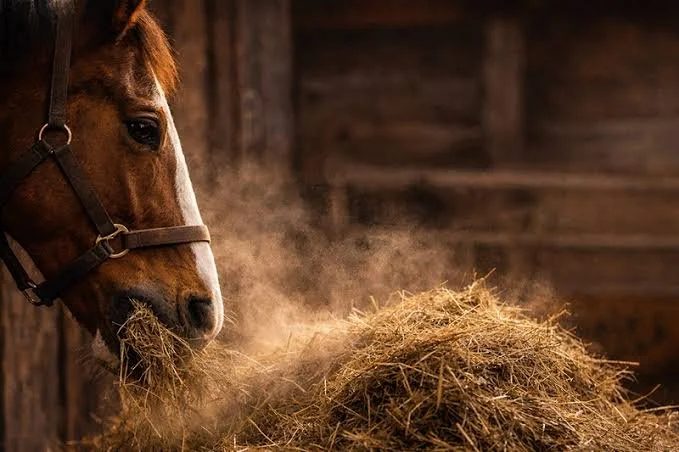
A horse places its nose directly into forage for hours each day. Every time it separates a flake or pulls hay from a feeder, small particles may become airborne around the nostrils. Some are ordinary plant fragments; others may include soil, pollen, mold spores, bacteria, or damaged leaf material.
Hay Texture and Digestive Comfort
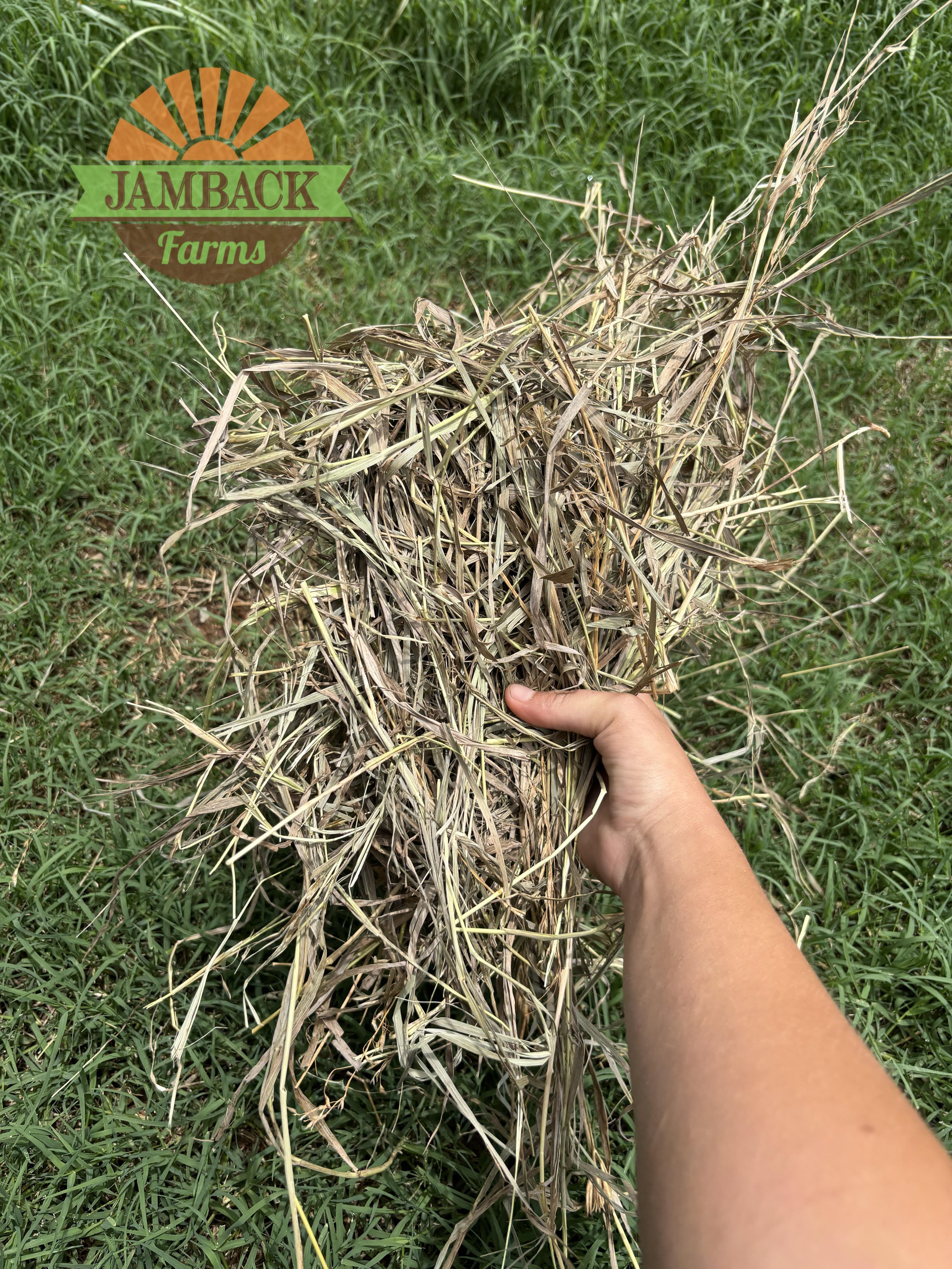
Hay texture influences how comfortably a horse chews, how eagerly it eats, how much it wastes, and how consistently it consumes forage throughout the day. A soft, leafy hay may be ideal for a senior horse or selective eater, while another horse may comfortably consume a somewhat more mature grass hay that provides substantial chewing fiber.
The Connection Between Forage and Equine Ulcers
Equine gastric ulcers can affect horses of many ages, breeds, and activity levels. They are especially familiar to owners of performance horses, frequent travelers, and animals exposed to significant changes in routine, but they are not limited to those groups.
Hay Considerations for Equine Metabolic Syndrome
Equine Metabolic Syndrome, commonly called EMS, has become increasingly common among modern horses, especially easy keepers and lightly worked animals.