Choosing Softer Hay for Senior Horses
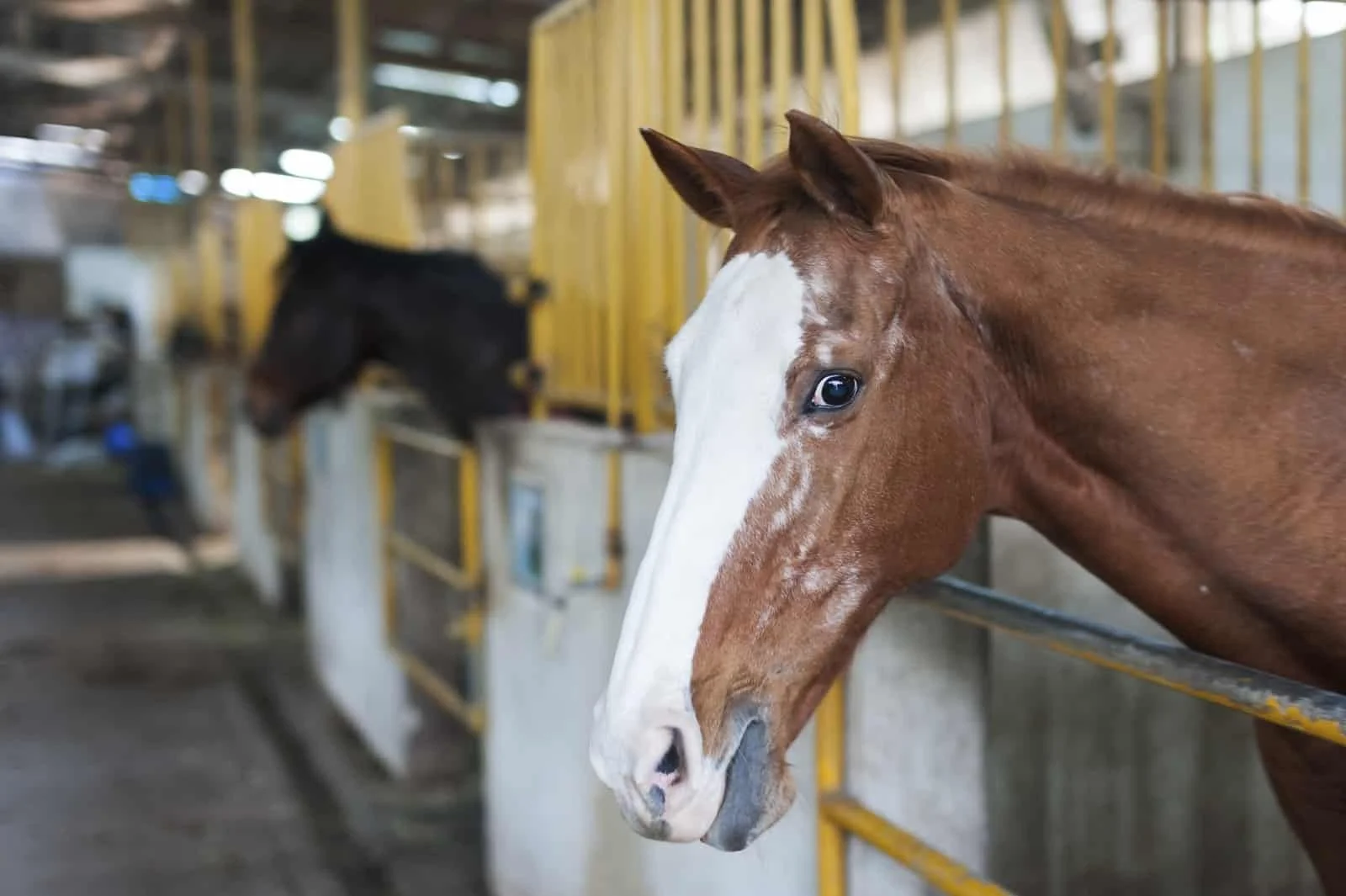
Senior horses continue to rely on hay as the foundation of their diet, yet they may no longer be able to chew or digest forage as efficiently as they once did. Choosing softer, highly palatable hay can help older horses maintain healthy body condition while supporting the digestive system that has served them throughout a lifetime.
The Role of Digestible Fiber in Horse Nutrition
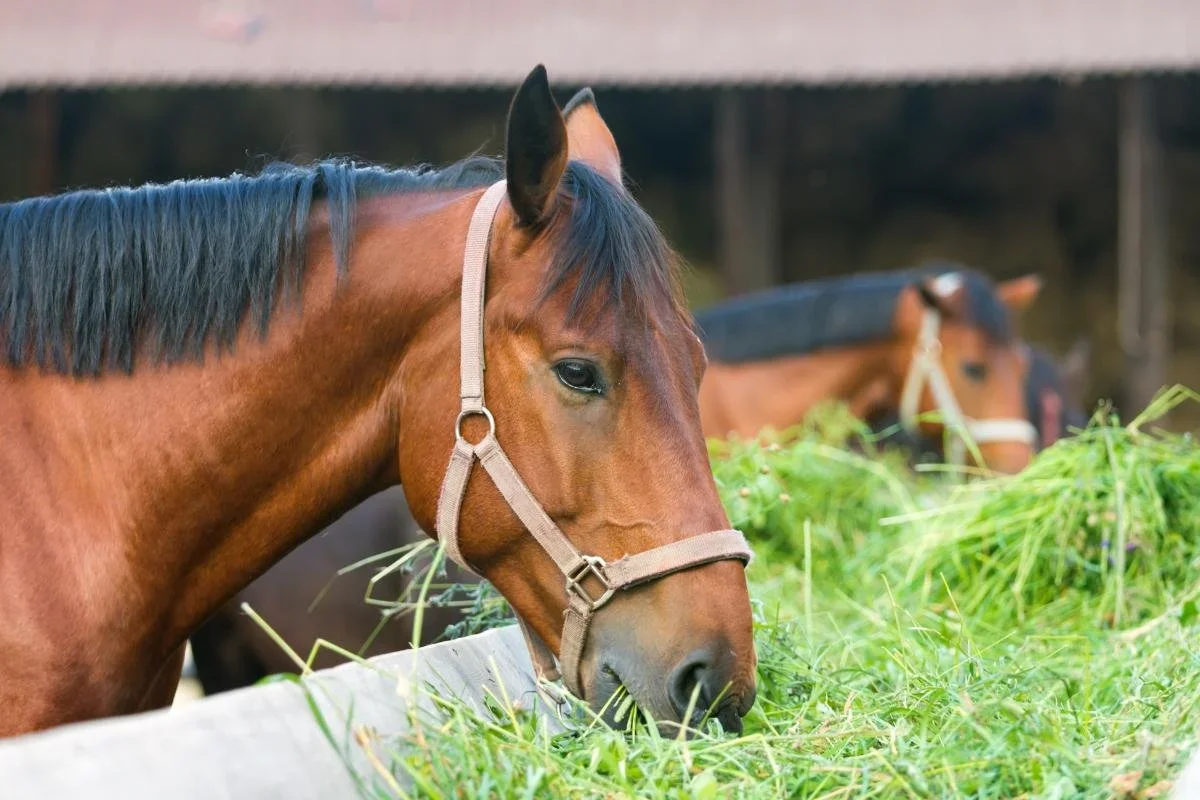
Understanding the difference between simply feeding fiber and providing digestible fiber can help owners make better decisions about hay selection and long-term feeding management.
Why Some Horses Struggle to Maintain Weight
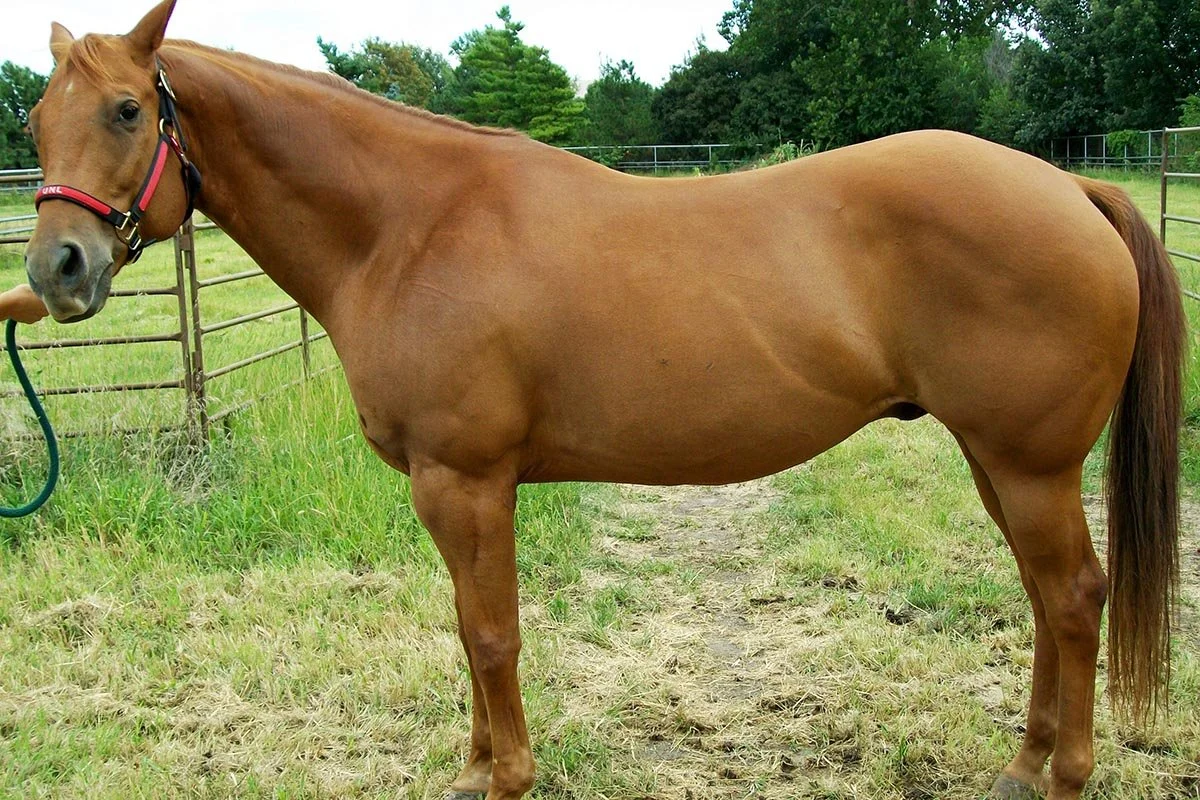
While there is rarely a single reason a horse struggles to maintain weight, understanding the factors involved can help owners develop a more effective nutritional plan. In many cases, the answer begins with consistent, high-quality forage rather than dramatic changes to the rest of the diet.
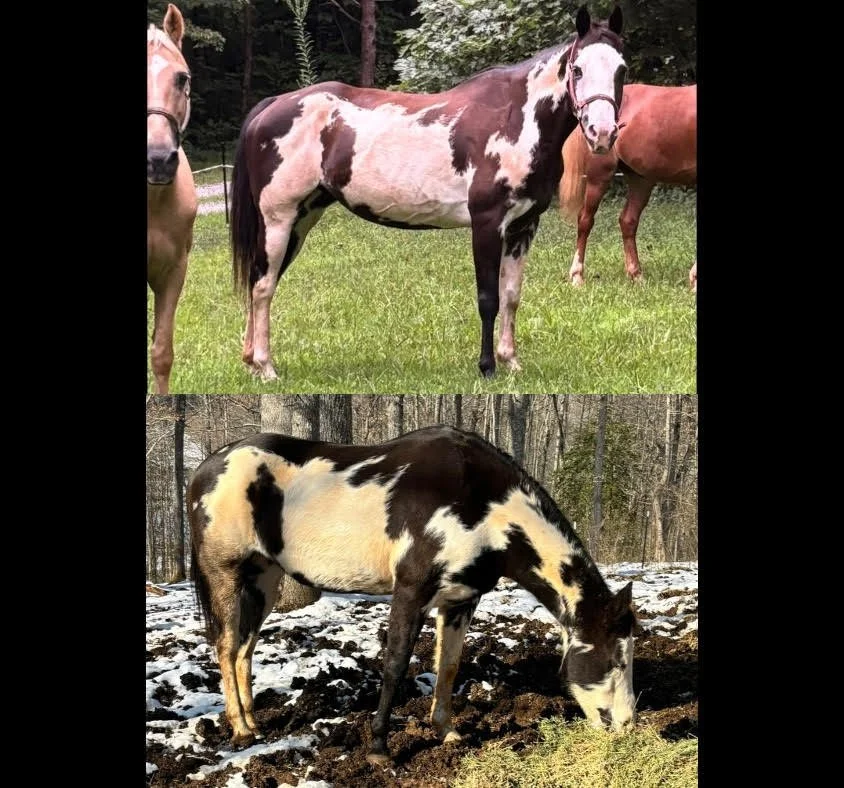
Helping Underweight Horses Gain Condition Safely
…success usually comes from identifying the underlying reason for the weight loss while building a consistent feeding program centered around clean, digestible hay that encourages steady forage intake.
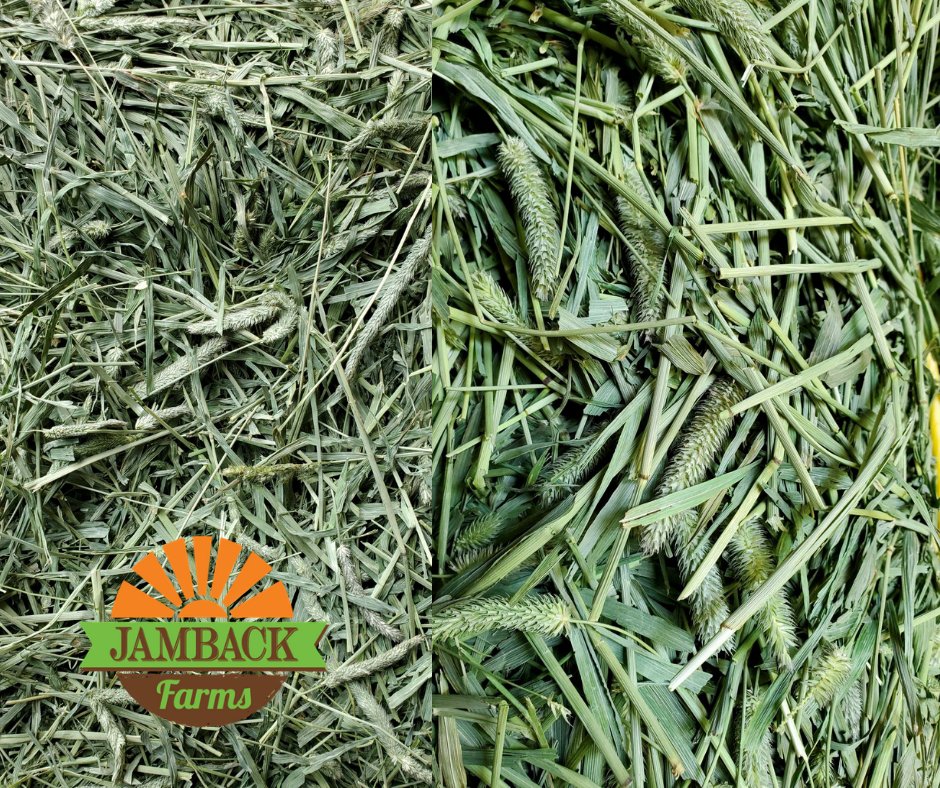
Supporting Hard Keepers with Better Forage
Because forage represents the foundation of the equine diet, hay quality frequently becomes one of the most important factors influencing healthy weight maintenance.

Feeding Senior Horses with Dental Challenges
For many older horses, thoughtful forage selection becomes one of the most important parts of long-term nutritional care.
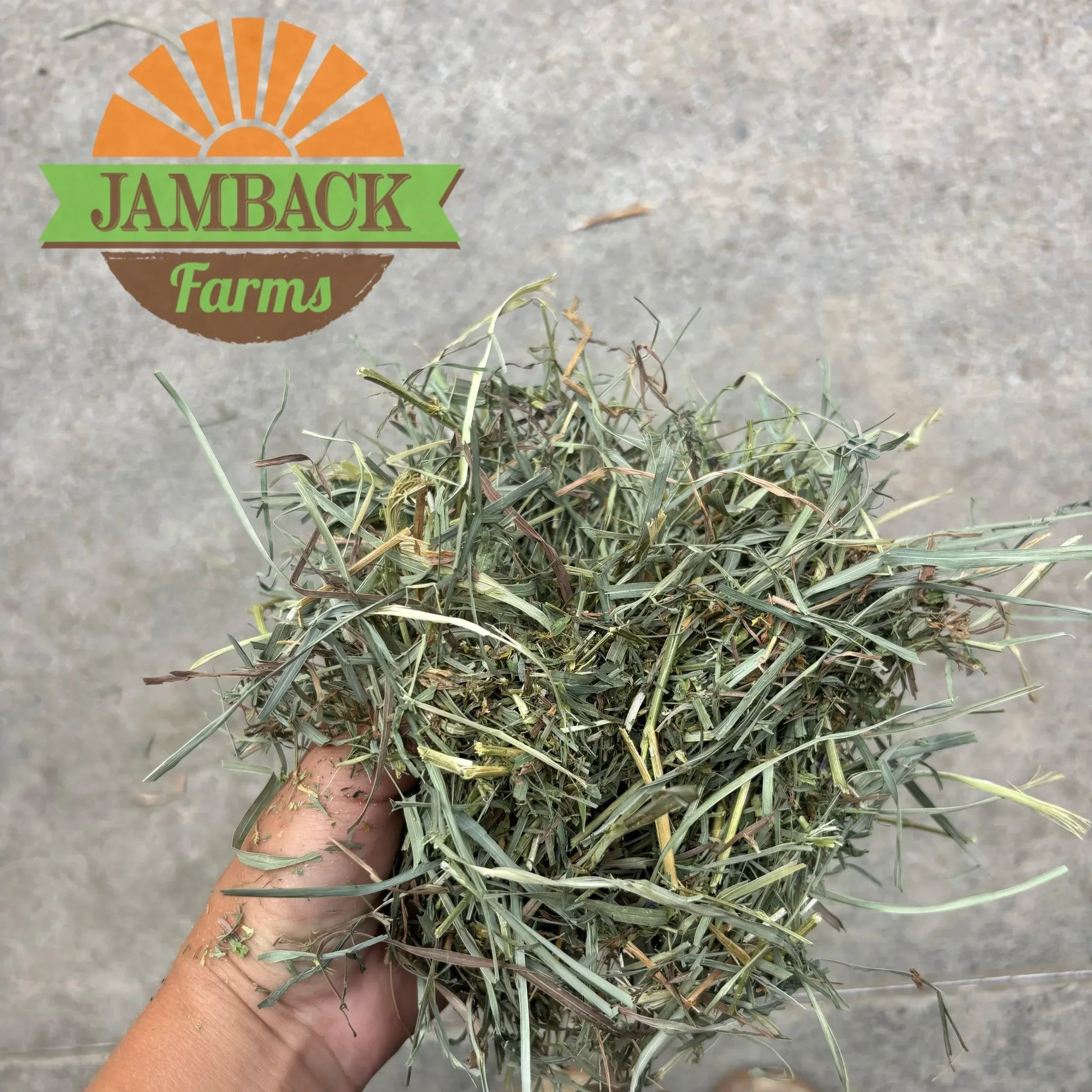
Why Orchardgrass Is So Popular Among Horse Owners
While no single hay is ideal for every situation, orchardgrass often provides an excellent balance between digestibility, fiber quality, and feeding flexibility.
Why Some Horses Gain Weight Easily
Healthy weight management is rarely about dramatic restriction. It is usually about steady, sustainable nutritional balance.
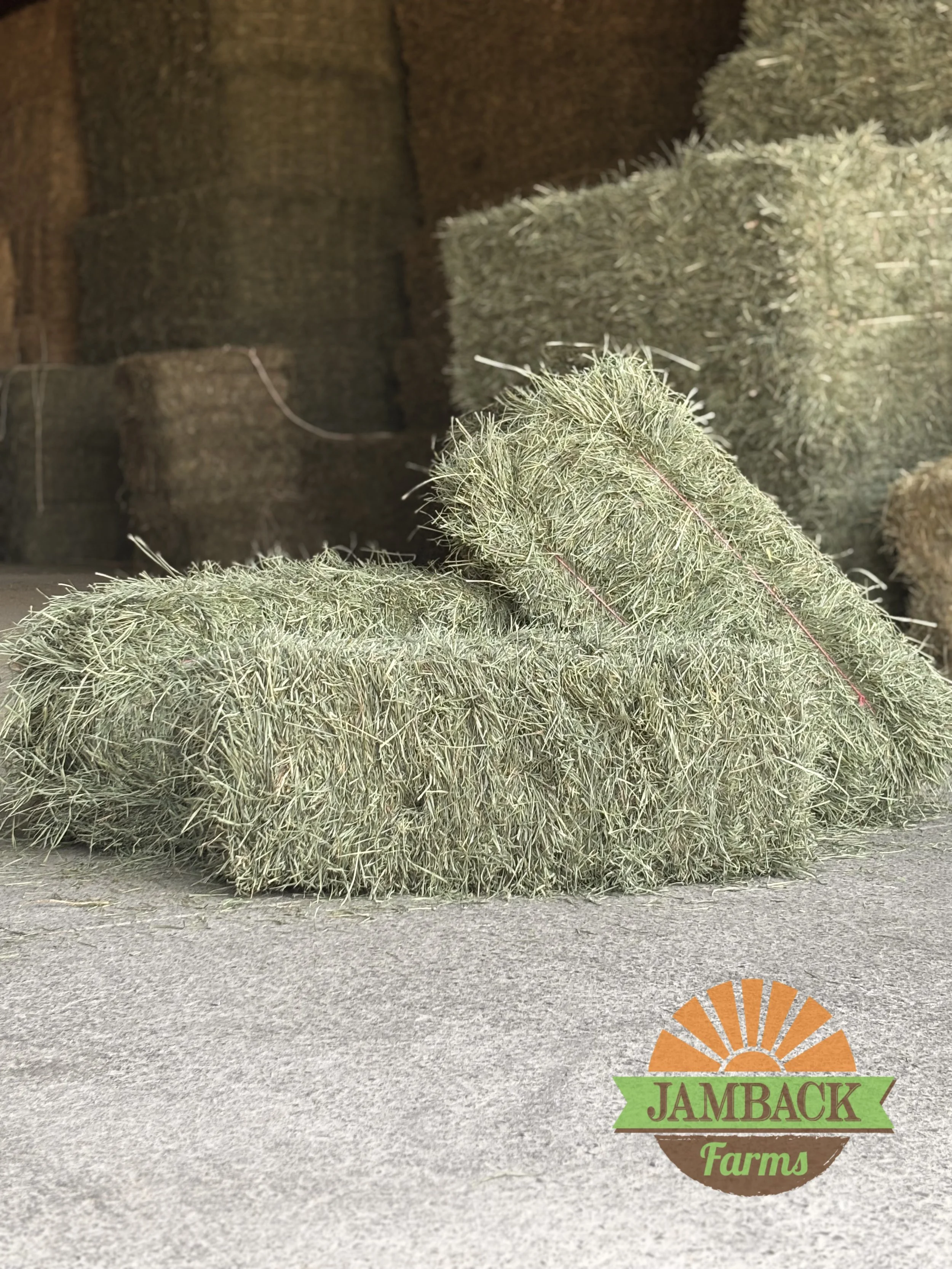
Weight Control Through Forage Management
Understanding how forage influences calories, digestibility, and feeding behavior can help owners make more informed decisions.
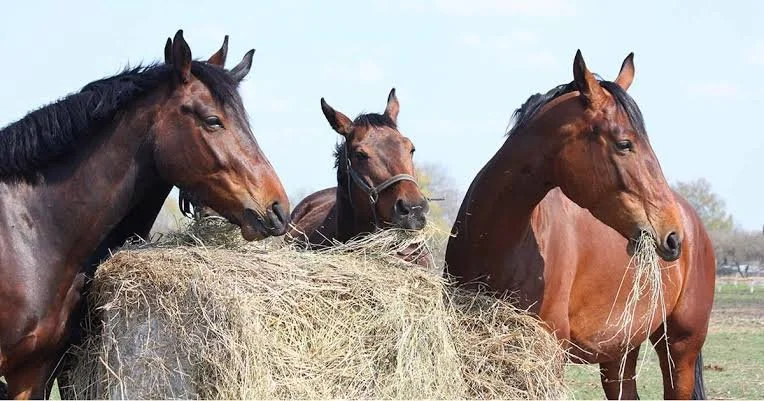
Hay Considerations for Equine Metabolic Syndrome
Equine Metabolic Syndrome, commonly called EMS, has become increasingly common among modern horses, especially easy keepers and lightly worked animals.
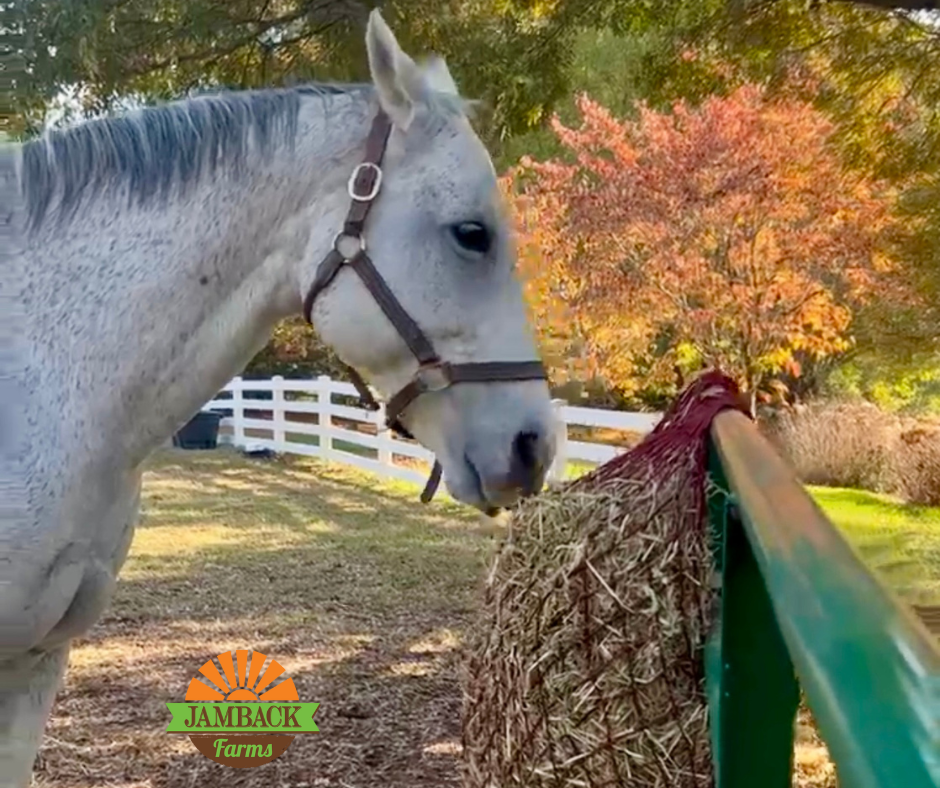
Feeding Horses with Cushing’s Disease
Caring for a horse with Cushing’s disease often requires owners to think more carefully about nutrition, weight management, and overall metabolic health.
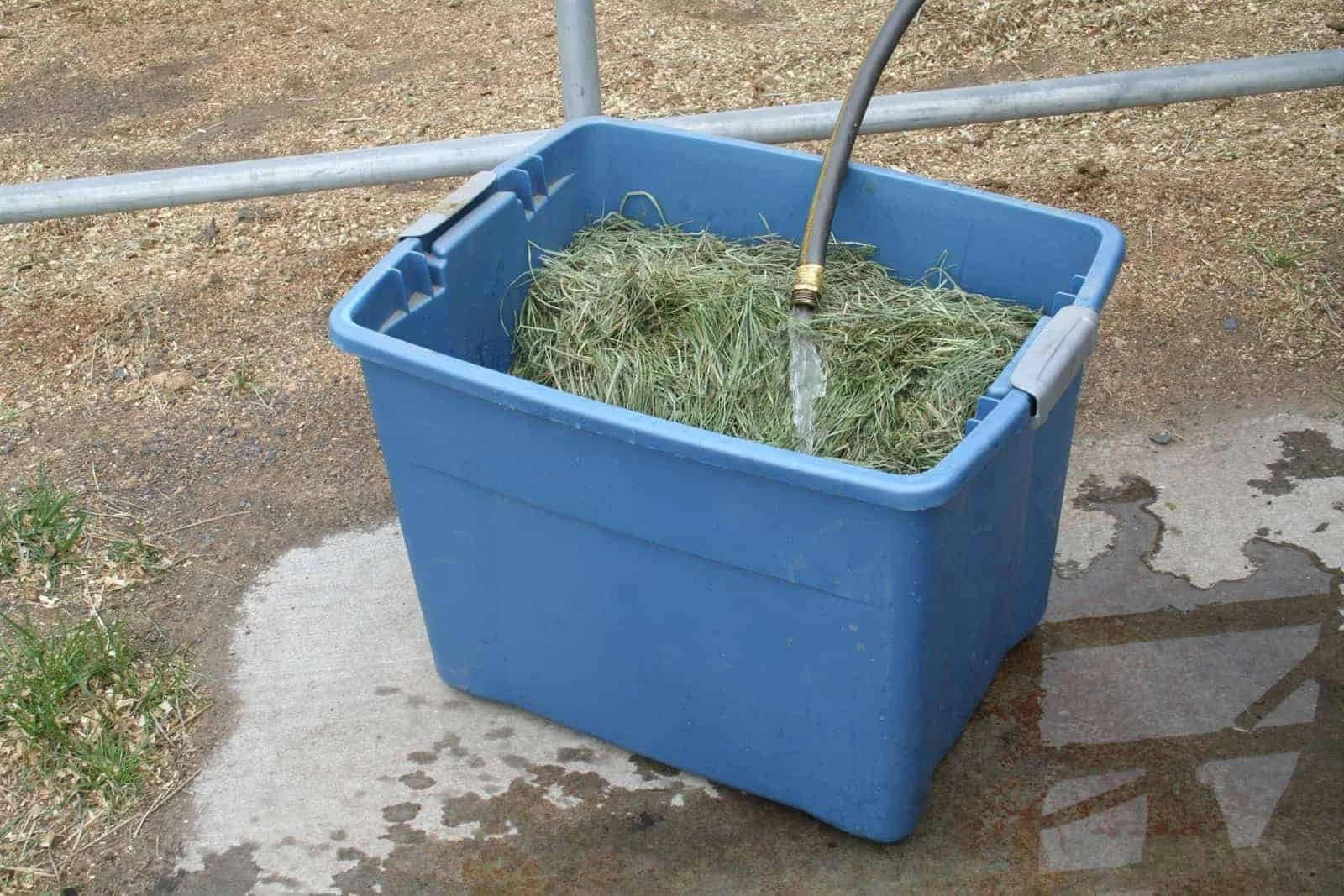
Is Soaking Hay Helpful for Metabolic Horses?
For some horses, soaking forage may help lower certain water-soluble carbohydrates. However, soaking is not a perfect solution, and understanding both its benefits and limitations is important.
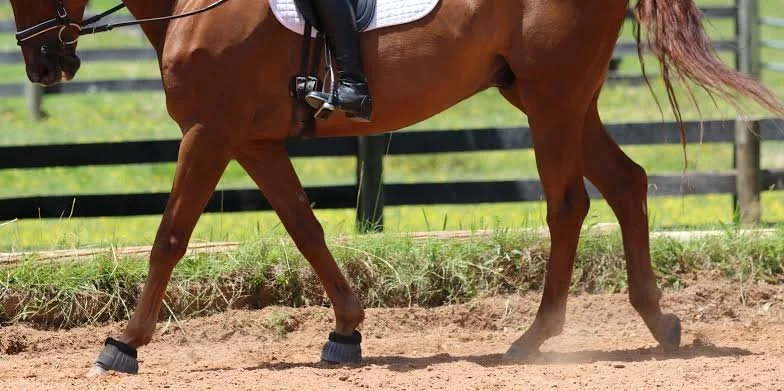
Common Feeding Mistakes with Laminitic Horses
Managing a horse with laminitis can feel overwhelming, especially for owners trying to balance nutrition, weight control, digestive health, and overall comfort at the same time.
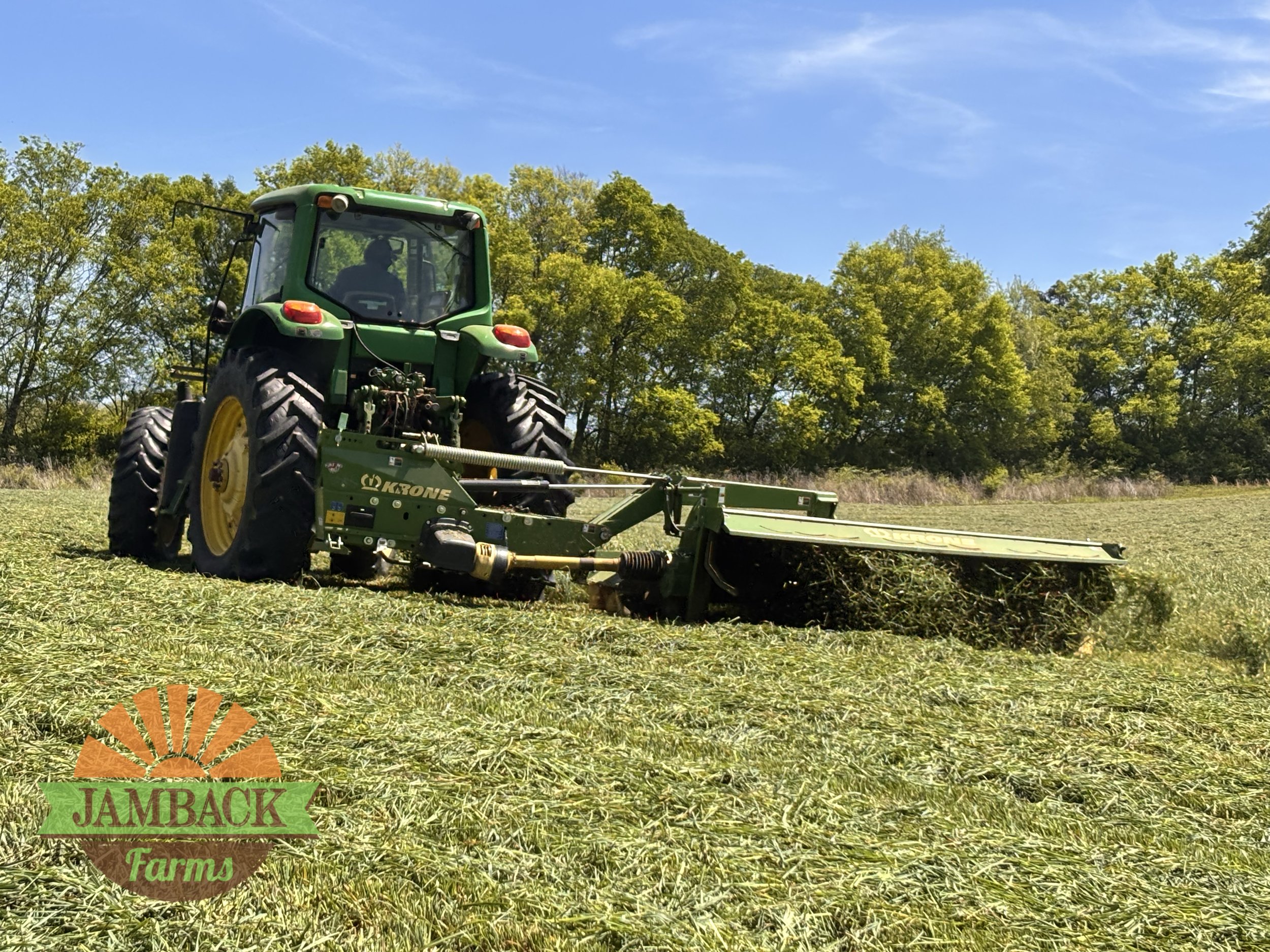
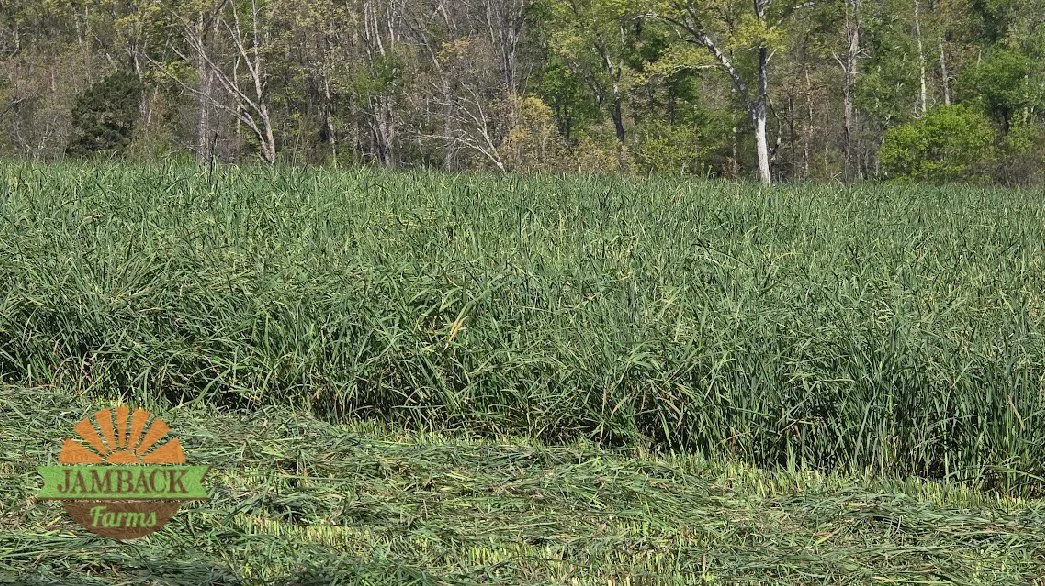
How Stem Maturity Affects Sugar Content
Forage maturity refers to the stage of plant growth when hay is harvested.
Can Hay Sugars Trigger Founder?
While forage remains an essential part of the equine diet, the nutritional composition of hay can vary significantly, particularly when it comes to sugar and starch content.
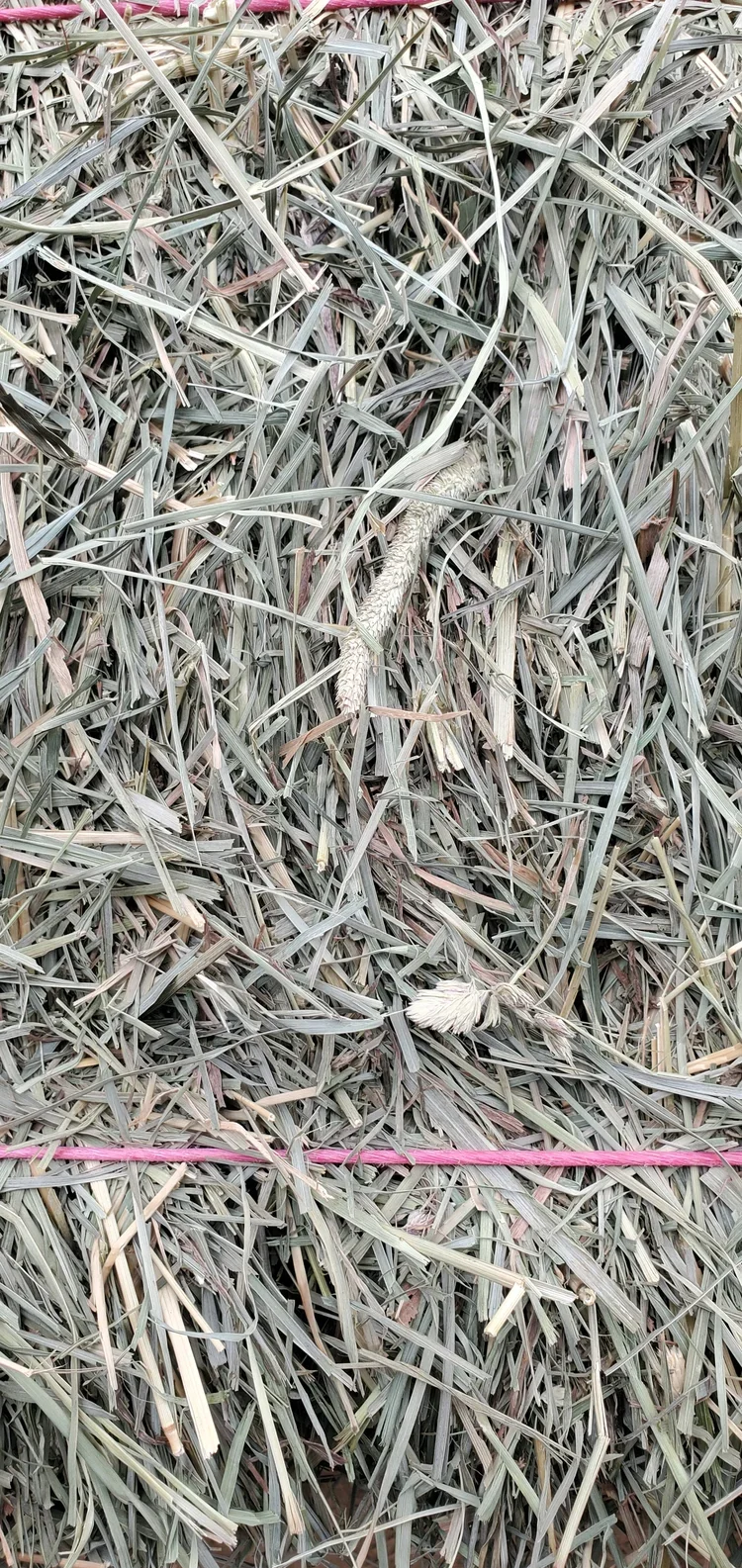
Orchardgrass vs Timothy for Easy Keepers
An easy keeper is a horse that maintains or gains weight very efficiently.
Why Consistency Matters for Metabolic Horses
Frequent changes in hay quality, forage type, or nutritional profile can make it much more difficult to maintain stable body condition and digestive health in sensitive horses.
What Low-NSC Hay Really Means
In simple terms, NSC refers primarily to sugars and starches contained within forage.
Understanding the Link Between Hay and Laminitis
Soft, green, leafy hay may look ideal but still contain elevated sugar levels. On the other hand, extremely coarse hay may be less digestible and difficult for some horses to maintain body condition on.