Laminitis is one of the most frustrating and emotionally difficult conditions many horse owners will ever manage. Horses that appear healthy one season can suddenly become sore, reluctant to move, or painfully sensitive in their feet. In many cases, owners are left searching for answers about grain, pasture, supplements, and medications while overlooking one of the largest parts of the horse’s daily diet: forage.
For horses prone to founder or laminitis, hay quality matters tremendously.
Not all hay is nutritionally identical. Different forage species, maturity levels, growing conditions, and harvesting practices can create major differences in sugar, starch, digestibility, and calorie levels. Understanding these differences can help owners make more informed feeding decisions and support long-term metabolic stability.
Why Hay Matters So Much
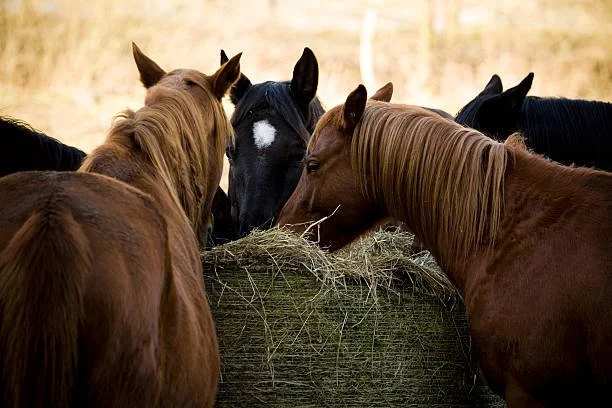
“Group of horses eating hay at the same time” by AndreasKermann via gettyimages.com
Most horses consume forage for the majority of the day. Even horses receiving concentrates or supplements still rely heavily on hay as their primary calorie source.
For metabolically sensitive horses, this becomes especially important because certain hays may contain elevated levels of non-structural carbohydrates, often abbreviated as NSC. NSC includes sugars and starches that can contribute to insulin dysregulation in susceptible horses.
While not every horse reacts the same way, many horses with:
laminitis,
Equine Metabolic Syndrome,
obesity tendencies,
or Cushing’s disease
benefit from carefully managed forage programs.
This does not necessarily mean horses must eat poor-quality hay. In fact, many horses thrive on premium forage that has been selected specifically for lower sugar content, appropriate maturity, and consistent nutritional characteristics.
Understanding Hay Sugars
Horse owners are often surprised to learn that hay can vary tremendously in sugar levels.
Factors influencing hay sugars include:
forage species,
weather conditions,
sunlight exposure,
plant maturity,
fertilization,
cutting schedules,
and storage conditions.
For example, immature grasses harvested during periods of intense sunlight may contain higher sugar concentrations than more mature forage harvested under different conditions.
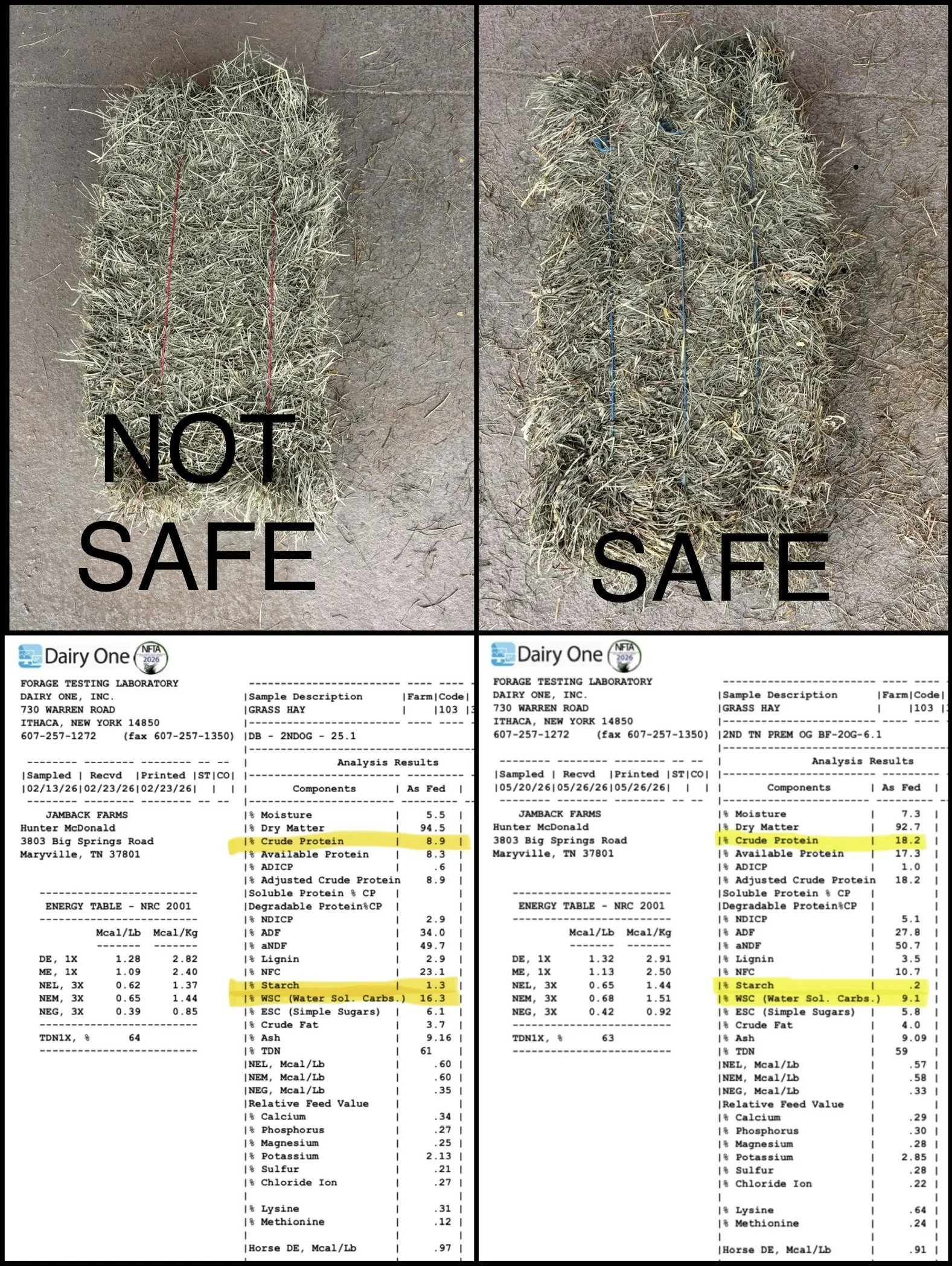
This is why visual appearance alone cannot always determine whether a hay is appropriate for a metabolic horse.
Soft, green, leafy hay may look ideal but still contain elevated sugar levels. On the other hand, extremely coarse hay may be less digestible and difficult for some horses to maintain body condition on.
The goal is balance.
Consistency Is Often Overlooked
One of the most important but underappreciated aspects of feeding metabolic horses is consistency.
Frequent dramatic changes in forage type can sometimes contribute to digestive upset, fluctuations in calorie intake, or unpredictable metabolic responses.
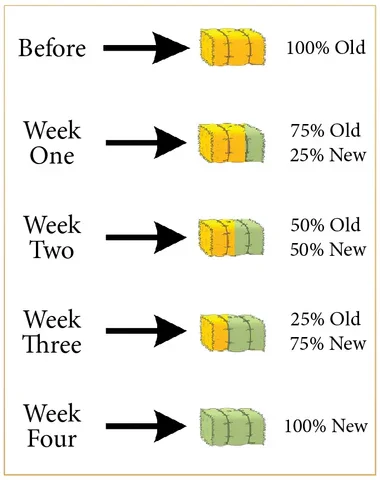
Horses generally do best when forage changes are gradual and predictable.
Consistent hay quality helps owners:
better monitor body condition,
manage weight more effectively,
reduce feeding guesswork,
and maintain stable digestive function.
For many owners, consistency becomes just as valuable as the hay itself.
Choosing Appropriate Hay Types
There is no single “perfect” hay for every horse with laminitis.
However, many owners and veterinarians commonly look for:
moderate to lower NSC levels,
clean forage,
minimal dust,
good digestibility,
and consistent harvest quality.
Grass hays are often preferred over richer legume-heavy options for easy keepers, though every horse should be evaluated individually.
Orchardgrass, timothy, bermudagrass, and carefully managed mixed grass hays are frequently used in metabolic feeding programs depending on the horse’s condition, activity level, and overall calorie needs.
Hay testing can also be extremely helpful.
Laboratory forage analysis provides a much clearer nutritional picture than visual evaluation alone. Testing allows owners to better understand:
sugar levels,
protein,
fiber,
digestibility,
and mineral balance.
This can be especially useful for horses with recurring laminitis episodes or difficult weight-management situations.
The Importance of Weight Management
Excess body condition is a major risk factor for many metabolic horses.
Even small amounts of gradual weight gain over time can increase stress on the horse’s metabolic system. Unfortunately, many easy keepers require surprisingly few calories to maintain weight.
Owners sometimes unintentionally overfeed because the horse appears hungry or because traditional feeding programs are designed for higher-calorie needs.
Forage selection can help manage calorie intake more effectively while still supporting:
digestive health,
chewing behavior,
and emotional well-being.
Horses are naturally designed to consume forage regularly throughout the day. Severely restricting hay can sometimes create additional digestive and behavioral challenges.
The goal is not simply feeding less.
The goal is feeding smarter.
Practical Feeding Considerations
Owners managing laminitis-prone horses
often benefit from:
tributeequinenutrition.com by Tribute Equine Nutrition
weighing hay portions rather than estimating,
using slow feeders when appropriate,
maintaining consistent feeding schedules,
monitoring seasonal weight fluctuations,
and introducing forage changes gradually.
Pasture management also matters tremendously. In some situations, pasture sugars may exceed those found in properly selected hay.
Working closely with a veterinarian and knowledgeable forage provider can help owners develop a more individualized feeding approach.
Small Changes Can Make a Big Difference
Many horses with metabolic challenges continue living comfortable, active lives with thoughtful nutritional management.
While hay alone is rarely the only factor involved in laminitis, forage quality often plays a central role in long-term success.
Understanding forage characteristics, selecting consistent hay sources, and matching nutrition to the individual horse can help owners make more confident feeding decisions.
Every horse is different, and forage programs should reflect those individual needs rather than relying on one-size-fits-all feeding practices.
FAQ
What does low-NSC hay mean?
Low-NSC hay refers to forage with lower levels of sugars and starches, which may be beneficial for horses with metabolic concerns.
Is alfalfa safe for horses with laminitis?
Some horses tolerate limited alfalfa well, while others may do better on primarily grass-based forage programs. Individual needs vary.
Can soaking hay reduce sugar?
Soaking hay may reduce some water-soluble carbohydrates, though results vary depending on hay type and soaking duration.
Why does consistency matter for metabolic horses?
Consistent forage helps reduce nutritional fluctuations and makes body condition management easier.
