founder

Is Soaking Hay Helpful for Metabolic Horses?

Many owners of metabolic horses eventually hear about soaking hay as a strategy for reducing sugar intake.

For some horses, soaking forage may help lower certain water-soluble carbohydrates. However, soaking is not a perfect solution, and understanding both its benefits and limitations is important.

Like most aspects of forage management, the best approach depends on the individual horse.

Why Owners Soak Hay

Metabolic horses often require careful management of non-structural carbohydrates, commonly called NSC.

NSC includes sugars and starches that may influence:

  • insulin response,

  • weight management,

  • and laminitis risk in susceptible horses.

Some sugars within hay are water-soluble.

When hay is soaked, a portion of those sugars may leach into the water.

This has led many owners to use soaking as part of metabolic feeding programs.

Results Can Vary Considerably

One important thing owners should understand is that soaking does not produce identical results every time.

The amount of sugar reduction depends on:

  • hay type,

  • forage maturity,

  • soaking duration,

  • water temperature,

  • and starting sugar levels.

Some hays may experience meaningful sugar reduction, while others change less dramatically.

Because of this variability, soaking should not replace careful forage selection whenever possible.

Soaking Also Removes Other Nutrients

Soaking affects more than just sugars.

Water may also remove:

  • minerals,

  • electrolytes,

  • and some soluble nutrients.

For some horses, this may not create major concerns.

For others, especially performance horses or animals with additional nutritional needs, supplementation adjustments may become necessary.

This is one reason veterinary and nutritional guidance can be valuable when feeding medically sensitive horses.

Hygiene and Storage Matter

Wet hay spoils more quickly than dry forage.

Especially during warm weather, soaked hay should not sit for extended periods before feeding.

Owners should also clean soaking containers regularly to reduce:

  • mold growth,

  • bacterial contamination,

  • and unpleasant odors.

Proper handling remains important for maintaining forage quality.

Soaking Does Not Fix Poor Hay

Some owners attempt to compensate for low-quality forage by soaking it.

However, soaking cannot correct issues such as:

  • mold,

  • dust contamination,

  • excessive maturity,

  • or poor digestibility.

Forage quality still matters tremendously.

The best feeding programs typically begin with clean, consistent hay appropriate for the individual horse.

Digestive and Behavioral Considerations

Some horses readily accept soaked hay.

Others strongly dislike the texture change.

Palatability matters because horses still require adequate fiber intake for:

  • digestive health,

  • hindgut function,

  • and chewing behavior.

If horses refuse soaked forage, owners may need to explore alternative forage strategies.

Consistency Still Matters Most

For many metabolic horses, consistent forage management remains more important than any single feeding technique.

Helpful practices often include:

  • stable feeding routines,

  • gradual forage transitions,

  • controlled portion sizes,

  • body condition monitoring,

  • and selecting appropriate hay.

Soaking may serve as one useful tool within a broader nutritional management plan.

Individualized Feeding Is Key

Some horses benefit significantly from soaked hay.

Others maintain excellent metabolic stability through careful forage selection alone.

The best approach depends on:

  • metabolic sensitivity,

  • body condition,

  • workload,

  • digestive health,

  • and overall management.

No single feeding strategy works universally for every horse.

Thoughtful, individualized forage programs generally provide the most sustainable long-term results.

FAQ

Does soaking hay reduce sugar?

Soaking may reduce some water-soluble carbohydrates, though results vary.

How long should hay be soaked?

Soaking practices vary considerably depending on management goals and veterinary recommendations.

Can soaked hay spoil?

Yes. Wet hay can spoil quickly, especially in warm weather.

Does soaking improve poor-quality hay?

No. Soaking cannot fix mold, excessive dust, or poor digestibility.

Common Feeding Mistakes with Laminitic Horses

Managing a horse with laminitis can feel overwhelming, especially for owners trying to balance nutrition, weight control, digestive health, and overall comfort at the same time.

Many owners work incredibly hard to help their horses recover, yet small feeding mistakes can sometimes make long-term management much more difficult.

Fortunately, most forage-related mistakes are correctable once owners better understand how nutrition influences metabolic stability.

Restricting Forage Too Aggressively

One of the most common mistakes owners make is drastically reducing hay intake in an attempt to control weight.

While calorie management matters, horses still require consistent fiber intake for:

  • digestive health,

  • hindgut stability,

  • chewing behavior,

  • and emotional well-being.

Severe forage restriction may increase:

  • stress,

  • ulcer risk,

  • boredom,

  • and undesirable feeding behaviors.

The goal is usually not eliminating forage.

The goal is selecting more appropriate forage and managing intake carefully.

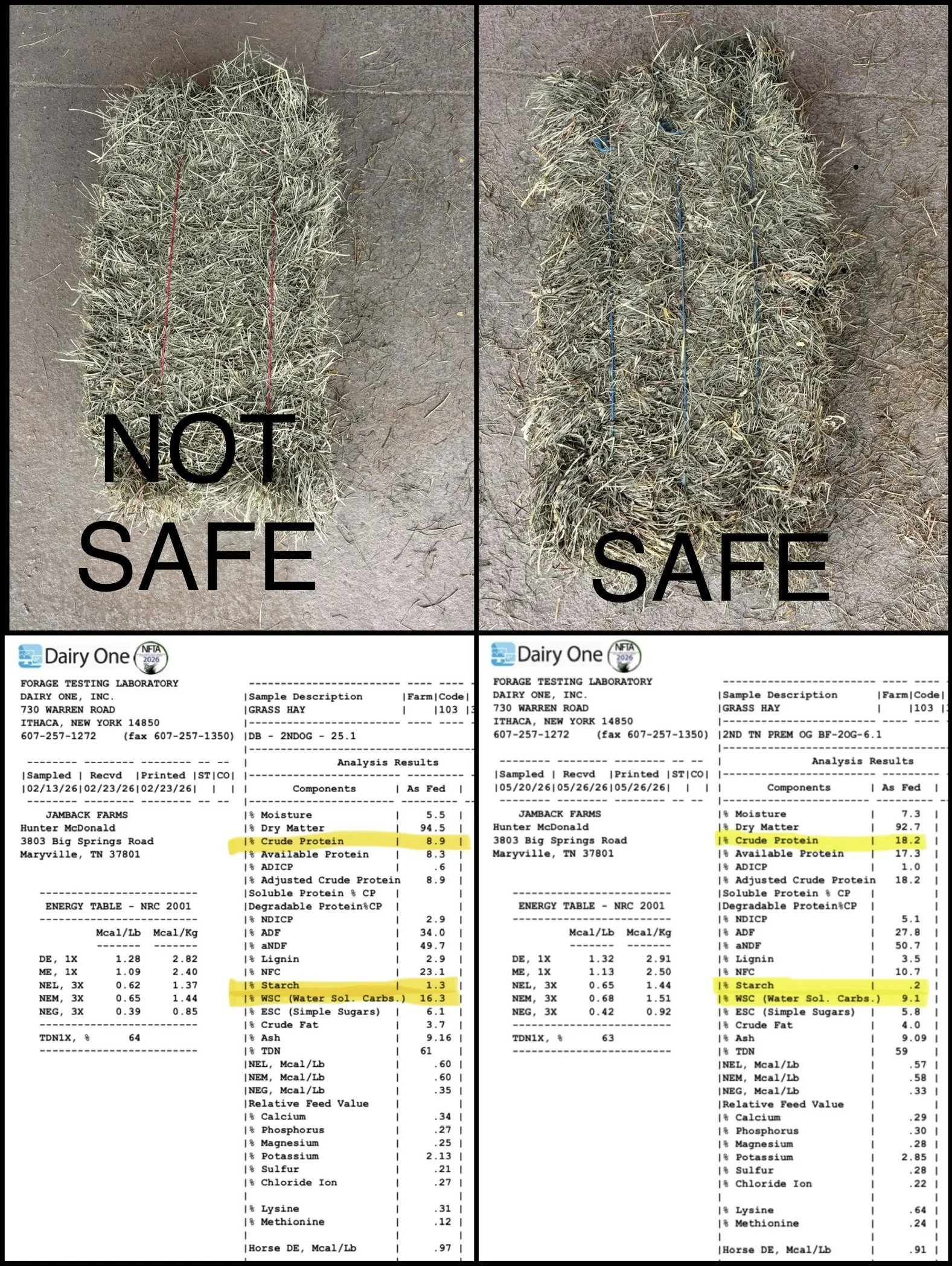
Assuming All Grass Hay Is Safe

Many owners assume any grass hay automatically qualifies as “safe” for metabolic horses.

In reality, forage sugars can vary tremendously depending on:

  • harvest timing,

  • sunlight exposure,

  • plant maturity,

  • weather,

  • and growing conditions.

Two grass hays may appear similar while containing very different nutritional profiles.

For horses with significant metabolic sensitivity, forage testing often provides much more reliable information than visual evaluation alone.

Changing Hay Too Frequently

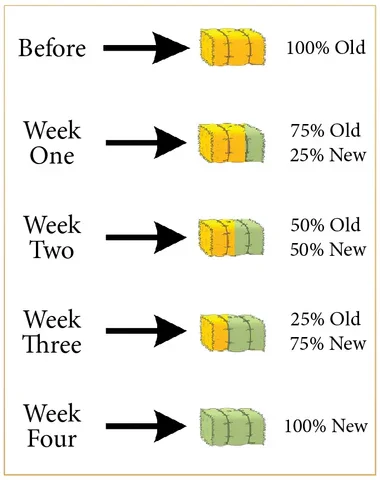
Frequent forage changes can create digestive instability and make weight management more difficult.

Some owners purchase hay opportunistically from multiple sources without realizing how dramatically nutritional characteristics may vary.

Consistency helps owners:

  • monitor body condition more accurately,

  • maintain stable feeding routines,

  • and reduce digestive stress.

When forage changes are necessary, gradual transitions are generally preferred.

Overlooking Portion Size

Even appropriate hay can contribute to weight gain if portions are excessive.

Easy keepers often require fewer calories than expected.

Estimating flakes visually may lead to unintentional overfeeding because bale density varies significantly.

Many owners benefit from weighing forage rather than relying on appearance alone.

This creates more consistent intake and allows for gradual, controlled adjustments.

Ignoring Body Condition Changes

Weight gain often occurs slowly over time.

Owners who see their horses daily may not immediately notice subtle changes in:

  • fat deposits,

  • neck crest development,

  • or overall body condition.

Regular monitoring helps owners respond earlier before metabolic problems become more severe.

Helpful practices include:

  • body condition scoring,

  • periodic photographs,

  • and consistent weight tracking when possible.

Feeding Too Many Extras

Treats, supplements, and concentrates can add up quickly.

Owners sometimes focus heavily on hay while overlooking calories coming from:

  • commercial treats,

  • sweet feeds,

  • multiple supplements,

  • or excessive grain.

For many metabolic horses, simplifying the feeding program can improve consistency and reduce unnecessary calorie intake.

Forgetting About Digestive Health

Laminitic horses still require healthy digestive function.

Overly coarse or poor-quality forage may create additional problems for:

  • senior horses,

  • ulcer-prone horses,

  • or animals with dental issues.

The best forage programs balance:

  • appropriate calorie management,

  • digestibility,

  • chewing comfort,

  • and consistency.

Lower-calorie forage should still support healthy fiber intake.

Neglecting Exercise and Overall Management

Nutrition is only one piece of metabolic management.

Whenever medically appropriate and veterinarian-approved, movement and exercise may help support:

  • weight control,

  • insulin sensitivity,

  • and overall health.

Sleep, stress, pasture access, medications, and overall management also influence metabolic stability.

Individual Horses Require Individual Plans

Perhaps the biggest mistake of all is assuming one feeding program works for every horse.

Some horses require stricter NSC control.

Others struggle more with portion management or obesity.

Thoughtful forage selection, consistency, and individualized management often provide the best long-term results.

Managing laminitis is rarely about finding one perfect solution.

It is usually about combining many small, consistent management decisions over time.

FAQ

Should laminitic horses have constant access to hay?

Many horses benefit from consistent forage access, though calorie intake still requires management.

Why should hay be weighed?

Flake size varies significantly, making visual estimates unreliable.

Is all grass hay safe for founder-prone horses?

No. Sugar levels vary widely depending on growing and harvest conditions.

Can rapid hay changes affect digestion?

Yes. Sudden forage changes may contribute to digestive stress in sensitive horses.


Can Hay Sugars Trigger Founder?

For horse owners managing laminitis or founder-prone horses, few questions are more important than understanding the relationship between forage and metabolic health.

Many owners are surprised to learn that hay itself can sometimes contribute to nutritional challenges in susceptible horses.

While forage remains an essential part of the equine diet, the nutritional composition of hay can vary significantly, particularly when it comes to sugar and starch content.

Understanding these differences can help owners make safer, more informed feeding decisions.

What Is Founder?

Founder is commonly used to describe the painful structural damage that may occur following laminitis.

Laminitis involves inflammation and weakening within the sensitive tissues of the hoof.

In some cases, structural support inside the hoof becomes compromised, leading to rotation or sinking of the coffin bone.

Multiple factors can contribute to laminitis, including:

  • metabolic disease,

  • obesity,

  • insulin dysregulation,

  • grain overload,

  • systemic illness,

  • and pasture or forage management.

For many modern horses, especially easy keepers, nutrition plays a major role.

Hay Contains Natural Sugars

All forage contains naturally occurring sugars.

Plants produce sugars during photosynthesis and store energy for growth and survival.

When horses consume hay, they also consume those sugars.

Most healthy horses tolerate normal forage sugars without difficulty.

However, metabolically sensitive horses may struggle to regulate elevated sugar intake efficiently.

This is particularly important for horses with:

  • Equine Metabolic Syndrome,

  • Cushing’s disease,

  • obesity tendencies,

  • or previous laminitis history.

Sugar Levels Can Vary Tremendously

One of the biggest misconceptions in horse feeding is assuming all grass hay is nutritionally similar.

In reality, sugar levels may vary dramatically depending on:

  • forage species,

  • weather,

  • sunlight exposure,

  • plant maturity,

  • harvest timing,

  • fertilization,

  • and storage conditions.

Two visually similar bales may contain very different nutritional profiles.

This is why forage testing can be extremely valuable for owners managing sensitive horses.

Why Some Horses React More Strongly

Not every horse responds identically to forage sugars.

Some horses tolerate moderate NSC intake easily, while others appear highly sensitive.

Insulin dysregulation is a major factor.

When certain horses consume elevated sugar or starch levels, insulin responses may become exaggerated. Over time, this may increase laminitis risk in susceptible individuals.

This does not mean sugar is automatically dangerous for every horse.

It means that certain horses require more careful nutritional management.

Hay Selection Matters

Owners managing founder-prone horses often focus on:

  • moderate to lower NSC forage,

  • consistent hay quality,

  • clean, dust-free forage,

  • and controlled calorie intake.

Grass hays are commonly used because they may provide:

  • adequate fiber,

  • moderate energy density,

  • and consistent digestive support.

However, individual needs vary.

Some horses require stricter nutritional control than others.

Working with veterinarians and knowledgeable forage providers can help owners identify more appropriate feeding strategies.

Portion Control Is Also Important

Even relatively appropriate forage can contribute to weight gain if fed excessively.

Many easy keepers require fewer calories than owners expect.

Helpful management practices often include:

  • weighing hay,

  • monitoring body condition closely,

  • maintaining regular exercise,

  • and using slow feeders when appropriate.

The goal is balancing adequate forage intake with healthy body condition.

Restricting forage too aggressively may create additional digestive and behavioral stress.

Consistency Reduces Guesswork

Frequent forage changes can make metabolic management more difficult.

Consistent hay quality allows owners to better monitor:

  • body condition,

  • energy intake,

  • feeding behavior,

  • and overall nutritional response.

Many horses benefit from gradual transitions and stable feeding routines.

Predictability often becomes an important part of long-term management success.

Feeding the Individual Horse

There is no single feeding program appropriate for every horse prone to founder.

Age, workload, metabolism, body condition, and medical history all influence nutritional needs.

Thoughtful forage management can play a meaningful role in helping horses maintain comfort and long-term stability.

The focus should always remain on individualized feeding rather than relying on overly simplistic rules.

FAQ

Can hay sugars contribute to laminitis?

In metabolically sensitive horses, elevated sugar intake may increase laminitis risk.

Is all grass hay low in sugar?

No. Sugar levels vary significantly depending on harvest and growing conditions.

Should founder-prone horses avoid hay?

No. Horses still require forage for digestive and behavioral health.

What does NSC mean?

NSC refers to non-structural carbohydrates, including sugars and starches found in forage.


Understanding the Link Between Hay and Laminitis

Laminitis is one of the most frustrating and emotionally difficult conditions many horse owners will ever manage. Horses that appear healthy one season can suddenly become sore, reluctant to move, or painfully sensitive in their feet. In many cases, owners are left searching for answers about grain, pasture, supplements, and medications while overlooking one of the largest parts of the horse’s daily diet: forage.

For horses prone to founder or laminitis, hay quality matters tremendously.

Not all hay is nutritionally identical. Different forage species, maturity levels, growing conditions, and harvesting practices can create major differences in sugar, starch, digestibility, and calorie levels. Understanding these differences can help owners make more informed feeding decisions and support long-term metabolic stability.

Why Hay Matters So Much

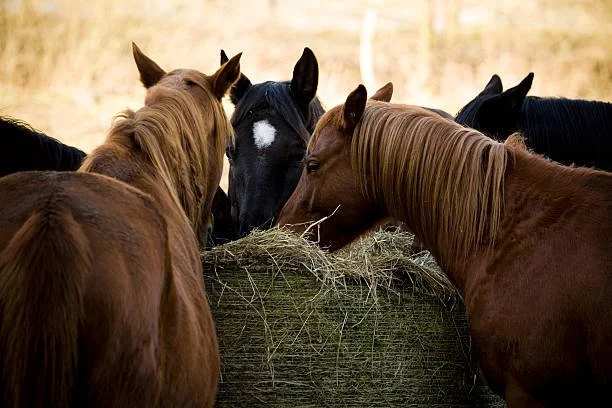
“Group of horses eating hay at the same time” by AndreasKermann via gettyimages.com

Most horses consume forage for the majority of the day. Even horses receiving concentrates or supplements still rely heavily on hay as their primary calorie source.

For metabolically sensitive horses, this becomes especially important because certain hays may contain elevated levels of non-structural carbohydrates, often abbreviated as NSC. NSC includes sugars and starches that can contribute to insulin dysregulation in susceptible horses.

While not every horse reacts the same way, many horses with:

  • laminitis,

  • Equine Metabolic Syndrome,

  • obesity tendencies,

  • or Cushing’s disease

benefit from carefully managed forage programs.

This does not necessarily mean horses must eat poor-quality hay. In fact, many horses thrive on premium forage that has been selected specifically for lower sugar content, appropriate maturity, and consistent nutritional characteristics.

Understanding Hay Sugars

Horse owners are often surprised to learn that hay can vary tremendously in sugar levels.

Factors influencing hay sugars include:

  • forage species,

  • weather conditions,

  • sunlight exposure,

  • plant maturity,

  • fertilization,

  • cutting schedules,

  • and storage conditions.

For example, immature grasses harvested during periods of intense sunlight may contain higher sugar concentrations than more mature forage harvested under different conditions.

This is why visual appearance alone cannot always determine whether a hay is appropriate for a metabolic horse.

Soft, green, leafy hay may look ideal but still contain elevated sugar levels. On the other hand, extremely coarse hay may be less digestible and difficult for some horses to maintain body condition on.

The goal is balance.

Consistency Is Often Overlooked

One of the most important but underappreciated aspects of feeding metabolic horses is consistency.

Frequent dramatic changes in forage type can sometimes contribute to digestive upset, fluctuations in calorie intake, or unpredictable metabolic responses.

Horses generally do best when forage changes are gradual and predictable.

Consistent hay quality helps owners:

  • better monitor body condition,

  • manage weight more effectively,

  • reduce feeding guesswork,

  • and maintain stable digestive function.

For many owners, consistency becomes just as valuable as the hay itself.

Choosing Appropriate Hay Types

There is no single “perfect” hay for every horse with laminitis.

However, many owners and veterinarians commonly look for:

  • moderate to lower NSC levels,

  • clean forage,

  • minimal dust,

  • good digestibility,

  • and consistent harvest quality.

Grass hays are often preferred over richer legume-heavy options for easy keepers, though every horse should be evaluated individually.

Orchardgrass, timothy, bermudagrass, and carefully managed mixed grass hays are frequently used in metabolic feeding programs depending on the horse’s condition, activity level, and overall calorie needs.

Hay testing can also be extremely helpful.

Laboratory forage analysis provides a much clearer nutritional picture than visual evaluation alone. Testing allows owners to better understand:

  • sugar levels,

  • protein,

  • fiber,

  • digestibility,

  • and mineral balance.

This can be especially useful for horses with recurring laminitis episodes or difficult weight-management situations.

The Importance of Weight Management

Excess body condition is a major risk factor for many metabolic horses.

Even small amounts of gradual weight gain over time can increase stress on the horse’s metabolic system. Unfortunately, many easy keepers require surprisingly few calories to maintain weight.

Owners sometimes unintentionally overfeed because the horse appears hungry or because traditional feeding programs are designed for higher-calorie needs.

Forage selection can help manage calorie intake more effectively while still supporting:

  • digestive health,

  • chewing behavior,

  • and emotional well-being.

Horses are naturally designed to consume forage regularly throughout the day. Severely restricting hay can sometimes create additional digestive and behavioral challenges.

The goal is not simply feeding less.

The goal is feeding smarter.

Practical Feeding Considerations

Owners managing laminitis-prone horses

often benefit from:

tributeequinenutrition.com by Tribute Equine Nutrition

  • weighing hay portions rather than estimating,

  • using slow feeders when appropriate,

  • maintaining consistent feeding schedules,

  • monitoring seasonal weight fluctuations,

  • and introducing forage changes gradually.

Pasture management also matters tremendously. In some situations, pasture sugars may exceed those found in properly selected hay.

Working closely with a veterinarian and knowledgeable forage provider can help owners develop a more individualized feeding approach.

Small Changes Can Make a Big Difference

Many horses with metabolic challenges continue living comfortable, active lives with thoughtful nutritional management.

While hay alone is rarely the only factor involved in laminitis, forage quality often plays a central role in long-term success.

Understanding forage characteristics, selecting consistent hay sources, and matching nutrition to the individual horse can help owners make more confident feeding decisions.

Every horse is different, and forage programs should reflect those individual needs rather than relying on one-size-fits-all feeding practices.


FAQ

What does low-NSC hay mean?

Low-NSC hay refers to forage with lower levels of sugars and starches, which may be beneficial for horses with metabolic concerns.

Is alfalfa safe for horses with laminitis?

Some horses tolerate limited alfalfa well, while others may do better on primarily grass-based forage programs. Individual needs vary.

Can soaking hay reduce sugar?

Soaking hay may reduce some water-soluble carbohydrates, though results vary depending on hay type and soaking duration.

Why does consistency matter for metabolic horses?

Consistent forage helps reduce nutritional fluctuations and makes body condition management easier.