When horse owners evaluate hay, they often begin with color, smell, and forage species. Those characteristics are important, but the way hay feels can be just as meaningful.
Hay texture influences how comfortably a horse chews, how eagerly it eats, how much it wastes, and how consistently it consumes forage throughout the day. A soft, leafy hay may be ideal for a senior horse or selective eater, while another horse may comfortably consume a somewhat more mature grass hay that provides substantial chewing fiber.
Texture alone does not determine nutritional quality, and there is no single texture that is best for every horse. However, understanding the relationship between texture, chewing, forage intake, and digestive comfort can help owners select hay that better fits the individual animal.
What Does Hay Texture Mean?
Texture describes several physical characteristics of forage rather than one simple quality.
When owners handle a flake of hay, they may notice differences in:
● stem thickness
● stem flexibility
● leaf content
● brittleness
● softness
● seed heads
● dustiness
● overall uniformity
These characteristics are influenced by forage species, but species is only part of the explanation.
Plant maturity at harvest often has a major effect. Younger plants are generally leafier, finer stemmed, and more flexible. As forage matures, stems become larger and more fibrous, while the proportion of leaves may decline.
Weather, curing conditions, baling moisture, storage, and handling also affect how the finished hay feels. Even two cuttings from the same field may have noticeably different textures.
Chewing Is the Beginning of Digestion
Digestion begins before hay reaches the stomach.
A horse must first grasp, tear, and grind forage into smaller particles. Effective chewing helps mix the hay with saliva and prepares it for the rest of the digestive process.
Appropriate forage texture encourages:
● thorough chewing
● regular saliva production
● comfortable swallowing
● steady intake
● more efficient use of the hay
Saliva helps moisten feed and provides buffering within the upper digestive tract. Long- stem forage naturally requires more chewing than many concentrated feeds, which is one reason hay remains so important in equine feeding programs.
Hay should provide enough physical structure to encourage normal chewing without being so coarse that the horse struggles to process it comfortably.
Soft Hay Is Often Easier to Accept
Many horses show a clear preference for soft, leafy forage.
This is especially common among:
● senior horses
● horses with dental wear
● picky eaters
● hard keepers
● horses recovering from illness
● animals experiencing reduced appetite
Soft orchardgrass is often useful in these situations because it commonly combines fine stems, good leaf retention, and broad palatability. Horses that aggressively sort through coarse hay may consume a softer orchardgrass more completely.
Timothy can also be soft and appealing when harvested at an appropriate stage, although later-maturity timothy may contain firmer stems and more pronounced seed heads. Smooth bromegrass, bermudagrass, prairie grass, and other grass hays likewise vary depending on maturity and production conditions.
The name of the forage does not guarantee the texture of the bale.
Coarser Hay Is Not Automatically Poor Hay
Softness is valuable, but coarse hay should not automatically be classified as low quality.
Some healthy adult horses comfortably chew and utilize moderately mature forage. A slightly firmer hay may suit certain maintenance horses or easy keepers when its nutritional characteristics match their needs.
More mature forage often contains:
● greater structural fiber
● larger stems
● lower digestibility than earlier-cut hay
● potentially lower calorie density
Those characteristics may be appropriate in some feeding programs. However, extremely stemmy forage can become difficult for horses with poor teeth, reduced appetite, or higher calorie needs.
The important distinction is between appropriately mature forage and hay that is excessively coarse, weather damaged, unpalatable, or poorly handled.
A hay does not need to feel delicate to be useful, but it should remain clean, properly cured, and suitable for the horse expected to eat it.
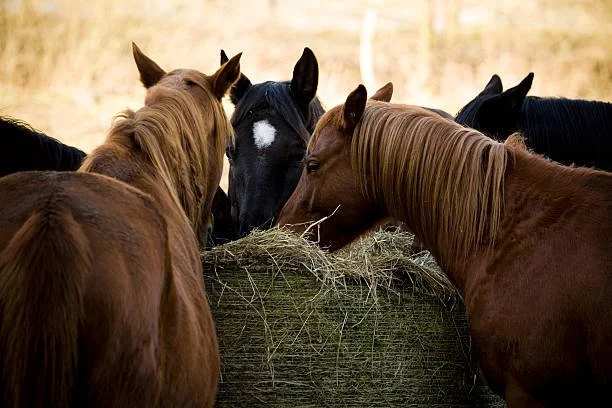
Texture Influences How Much Hay a Horse Actually Consumes
The amount of hay offered is not always the amount consumed.
A horse may pull apart a flake, eat the leaves and finer stems, and leave the coarsest portions behind. Owners sometimes interpret the remaining hay as evidence that the horse has received enough forage, even though a substantial portion was never eaten.
Selective eating can reduce actual intake and create long periods without meaningful forage access.
Watch for:
● thick stems consistently left in the feeder
● piles of sorted hay beneath a rack
● leaves consumed while seed heads remain
● repeated trampling of unwanted portions
● significant differences between hay offered and hay eaten
Some sorting is normal. Horses naturally make choices while eating. The concern is persistent waste that limits nutritional intake or leaves the horse without acceptable forage for much of the day.
Dental Health Changes Texture Requirements
A young horse with healthy teeth may handle a wide range of hay textures. A senior horse with missing or worn teeth may not.
Dental discomfort or reduced grinding ability can make even nutritionally appropriate forage difficult to consume.
Possible signs include:
● slow chewing
● quidding, or dropping partially chewed hay
● long forage fibers in manure
● declining body condition
● unusual head movements while eating
● excessive sorting or waste
● reluctance to eat coarse stems
A softer hay may improve comfort, but changing forage should not replace a dental examination. Dental abnormalities, pain, or missing teeth require professional evaluation.
Some horses with advanced dental limitations may eventually need chopped forage, soaked hay products, or another veterinarian-approved fiber source because they can no longer process long-stem hay effectively.
Brittle Hay Creates a Different Kind of Texture Problem
Hay can appear fine stemmed yet still be unpleasant to eat if it is excessively dry or brittle.
Brittle forage may shatter during handling, causing valuable leaves to fall away before the hay reaches the feeder. This can leave the horse with a larger proportion of stems while the most nutritious leaf material collects in the bottom of the bale, delivery vehicle, or storage area.
Excessive leaf loss may result from:
● overly dry baling conditions
● rough handling
● repeated movement
● prolonged storage
● weather damage
● naturally fragile forage, especially some legume hays
Alfalfa and orchardgrass/alfalfa blends can be especially affected by leaf loss because many of their desirable nutrients are concentrated in the leaves.
Careful handling helps preserve both texture and feeding value.
Dustiness Is Part of the Texture Experience
Hay texture is not limited to stems and leaves. Fine particles and dust also affect how comfortably a horse consumes forage.
A horse may bury its nose deeply into a feeder while eating, placing dust and plant particles close to the airways. Excessively dusty hay may contribute to coughing, nasal irritation, or reduced interest in eating, particularly in horses with respiratory sensitivity.
Dust may come from:
● soil incorporated during harvest
● damaged plant material
● excessive leaf shatter
● mold growth
● poor storage
● repeated handling
Visible mold, a musty odor, unusual heat, or obvious spoilage are reasons not to feed the hay.
Low-dust forage is especially important for horses with known respiratory disease.
Veterinary guidance should be sought when a horse coughs regularly, shows nasal discharge, has increased breathing effort, or appears intolerant of ordinary hay.
Texture and Digestibility Are Related, but Not Identical
Softer, leafier forage is often more digestible than highly mature, stem-heavy hay.
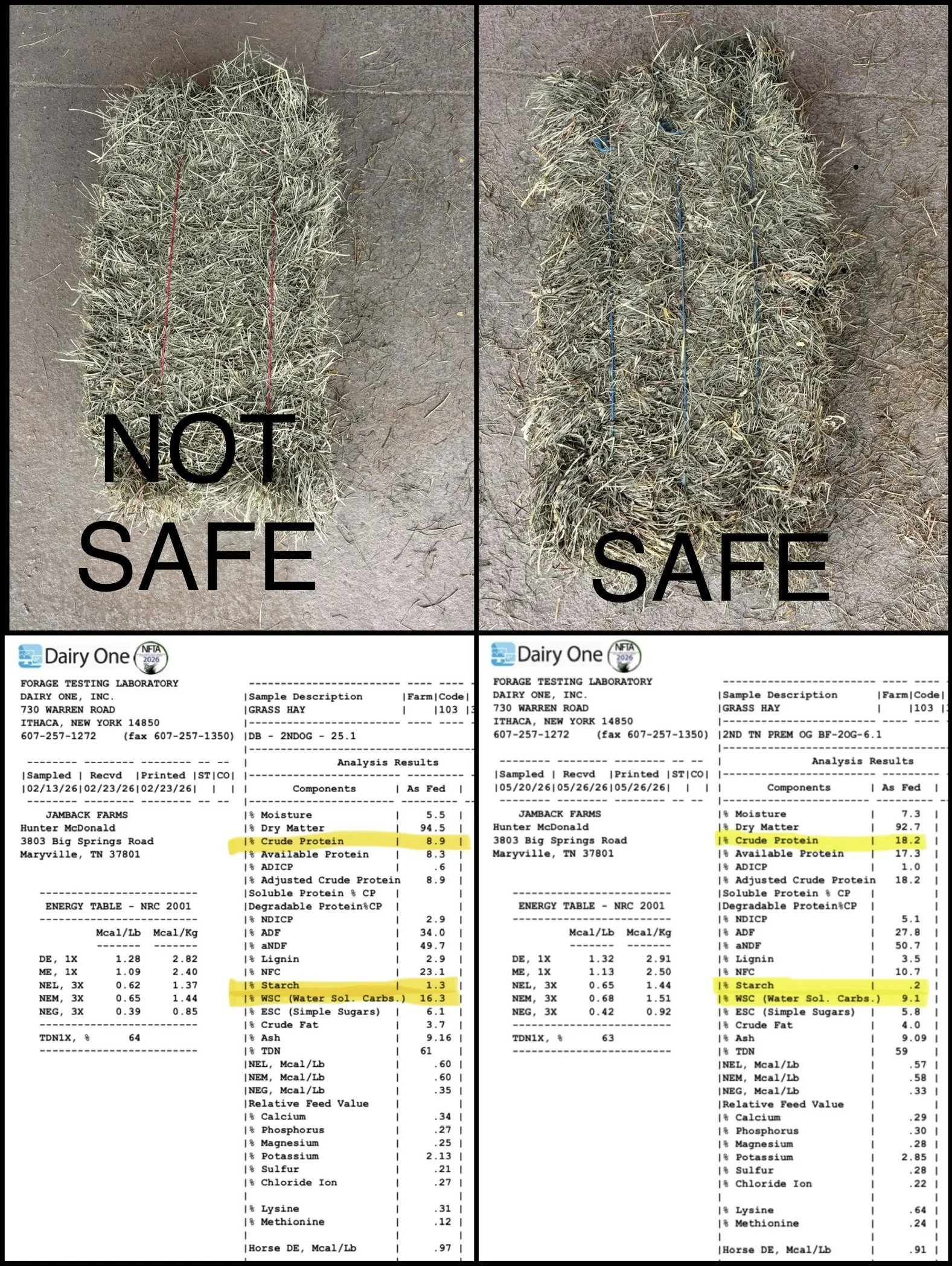
However, texture cannot provide a complete nutritional analysis.
Two hays with a similar feel may differ in:
● digestible energy
● protein
● fiber fractions
● sugar and starch
● mineral content
● moisture
Likewise, a coarse-looking hay may contain nutritional characteristics that are appropriate for one horse but unsuitable for another.
Visual and physical evaluation help determine whether a horse is likely to chew and accept the hay. Laboratory forage analysis provides additional information about what the hay contains.
Both forms of evaluation are useful.
Sudden Texture Changes May Affect Intake
Horses often notice a change in texture immediately.
A horse accustomed to soft orchardgrass may hesitate when abruptly offered a firm, mature hay. Another horse used to prairie grass may initially sort through a much leafier blend simply because it is unfamiliar.
The digestive system also needs time to adapt when a change in texture reflects a broader change in forage maturity, species, or nutritional composition.
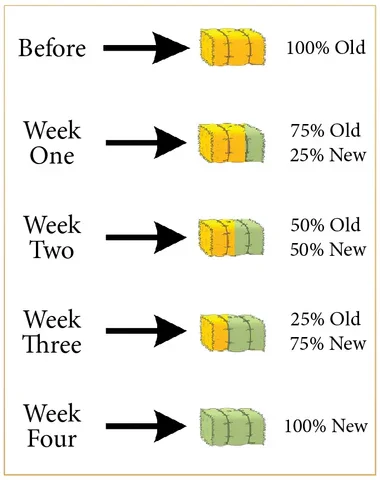
When practical, introduce new hay gradually by blending it with the previous forage over several days.
During the transition, monitor:
● appetite
● manure consistency
● water intake
● chewing behavior
● hay waste
● signs of abdominal discomfort
A change in preference does not always mean the new hay is poor quality. Sometimes the horse simply needs time to become familiar with it. However, persistent refusal deserves investigation.
Water Intake Remains Essential
Even excellent hay requires adequate water for safe digestion.
Horses consuming dry forage need continuous access to clean, fresh water. Water intake can decline during cold weather, travel, changes in water source, or illness.
Owners can support hydration by:
● checking water sources daily
● preventing freezing in winter
● cleaning troughs and buckets regularly
● offering salt as appropriate
● monitoring horses during travel
● noticing changes in normal drinking patterns
Dry, coarse forage may be particularly difficult for a horse that is drinking poorly, but soft hay does not eliminate the need for adequate hydration.
Reduced water intake, decreased manure output, abdominal discomfort, repeated lying down, pawing, or loss of appetite require prompt veterinary attention.
Match Texture to the Horses Actual Needs
The best hay texture depends on the individual animal.
A senior hard keeper may need soft, leafy orchardgrass or an orchardgrass/alfalfa blend that encourages intake and provides greater nutritional density.
A mature maintenance horse may do well on properly made prairie grass, smooth bromegrass, bermudagrass, timothy, or moderately mature orchardgrass.
An easy keeper may require carefully portioned forage with moderate energy value, but the hay should still be clean and palatable enough to support steady fiber intake.
Consider:
● age
● dental health
● body condition
● workload
● metabolic status
● digestive history
● eating speed
● tendency to waste hay
The objective is not to select the softest hay available. It is to choose a texture the horse can chew comfortably and consume consistently while meeting the broader nutritional goal.
Choosing Hay at the Barn
Evaluating texture is one of the best reasons to handle hay before purchasing it.
Separate a flake and examine the entire sample rather than looking only at the outside of the bale. Run your hand through it. Bend several stems. Look at the proportion of leaves to stems and notice how much material falls away.
Quality hay should match its intended use.
For a senior or selective eater, look for pliable stems, good leaf retention, cleanliness, and a pleasant aroma. For a healthy maintenance horse, somewhat firmer forage may be entirely appropriate if it remains clean, well cured, and readily consumed.
Ask the hay supplier about:
● forage maturity
● cutting
● growing region
● stem characteristics
● leaf retention
● consistency throughout the lot
A knowledgeable supplier should be able to explain why one hay may suit a particular horse better than another without pretending that one texture is ideal for every animal.
FAQ
Is soft hay always better for horses?
No. Soft hay is often valuable for seniors, picky eaters, and horses with dental limitations, but healthy adult horses may comfortably consume a range of textures. The hay should match the horses chewing ability and nutritional needs.
Can coarse hay cause colic?
Coarse texture alone does not mean a horse will develop colic. Colic has many possible causes. However, forage that reduces intake, is poorly chewed, accompanies inadequate water consumption, or represents an abrupt dietary change may contribute to digestive concerns in some horses.
Why does my horse eat the leaves but leave the stems?
The horse may prefer the softer, more palatable portions or may have difficulty chewing coarse stems. Forage maturity, dental health, and individual preference should all be considered.
Is orchardgrass softer than timothy?
Orchardgrass is often softer and leafier, particularly when harvested at an appropriate stage. Timothy may have firmer stems and seed heads, although high-quality early-cut timothy can also be soft and palatable.
Does hay texture reveal its sugar or calorie content?
Not reliably. Texture may offer clues about maturity and digestibility, but laboratory testing is needed to evaluate sugar, starch, energy, protein, and other nutritional characteristics accurately.
Should I change hay if my horse wastes the coarse portions?
Persistent waste is worth evaluating. The horse may need a different forage texture, dental care, a better feeder, or a more appropriate hay lot. Determine what is being left behind before making a gradual change.